US-Iran War: Deadly Revenge | Iran Vows to Launch One-ton Warhead Missiles
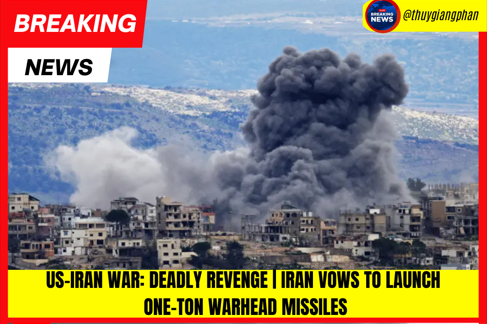
On the eleventh day of hostilities, Iran intensified its operations with the 33rd wave of attacks under Operation True Promise 4, publicly vowing to deploy exclusively missiles equipped with one-ton warheads to maximize destructive impact. This tactical shift aims to overwhelm enemy defense systems and exact revenge for perceived aggressions. The Khorramshahr missiles were specifically mentioned as being targeted at key sites in Tel Aviv and US military bases in the region. Iranian state media claims these actions are in response to attempts by the US and Israel to partition Iran through sustained bombing campaigns. The vow has heightened fears of increased civilian casualties on all sides.
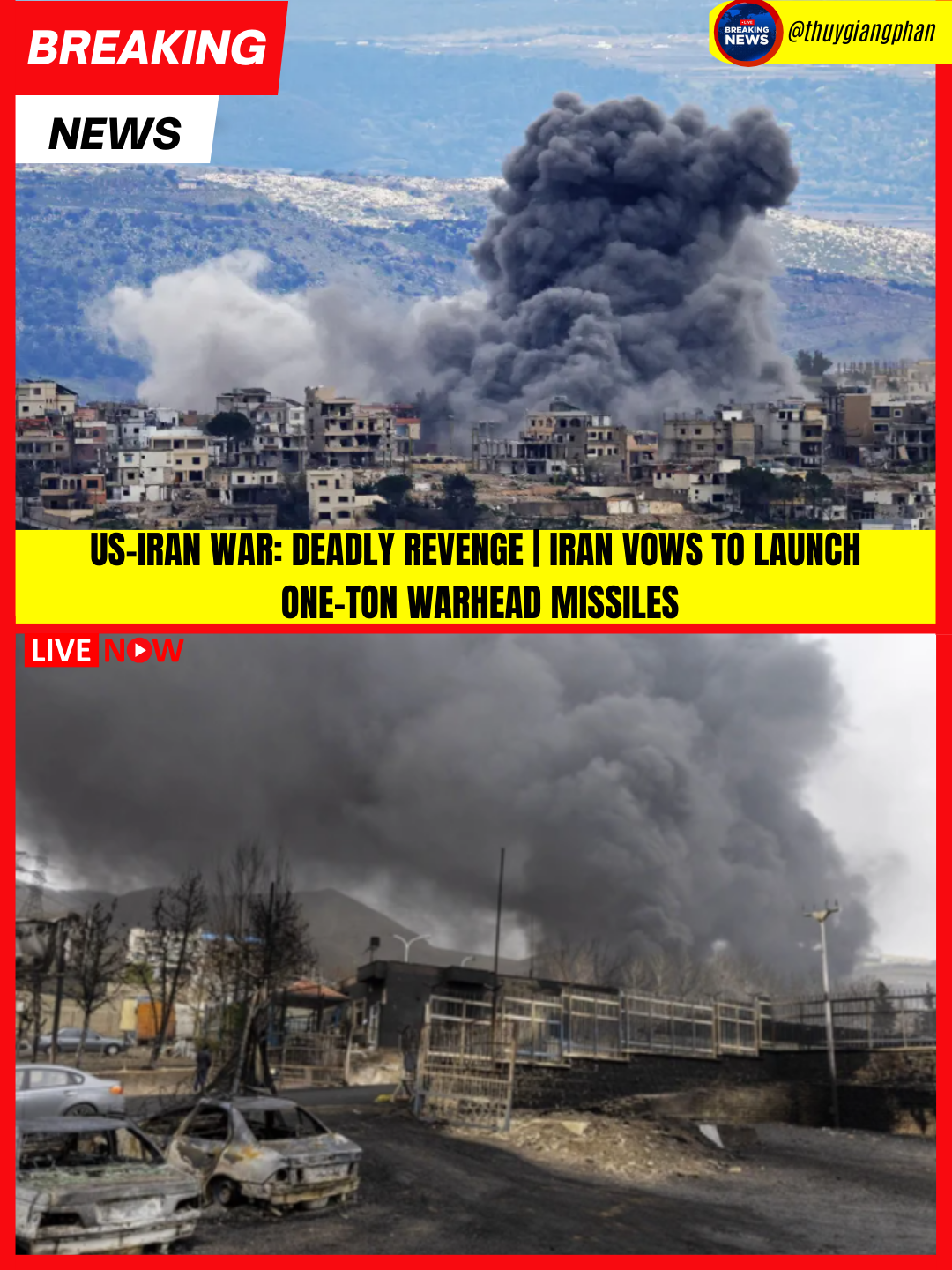
This escalation dramatically raises the stakes, as the heavier payloads increase both the lethality and the cost of interception for systems like the Patriot and Arrow defenses. Iran counters the narrative of US superiority by showcasing its ability to sustain prolonged missile barrages despite heavy losses. Reports detail the humanitarian toll, with air strikes causing widespread destruction in Iranian cities and disruptions to essential services. The focus on the Strait of Hormuz underscores Iran’s leverage over global energy supplies, particularly affecting oil-dependent economies in Asia. Diplomatic channels remain strained, with no immediate talks in sight.
Hezbollah’s parallel engagements add complexity, drawing in additional actors and expanding the conflict’s footprint. US intelligence is reportedly intercepting Iranian communications to anticipate further moves.
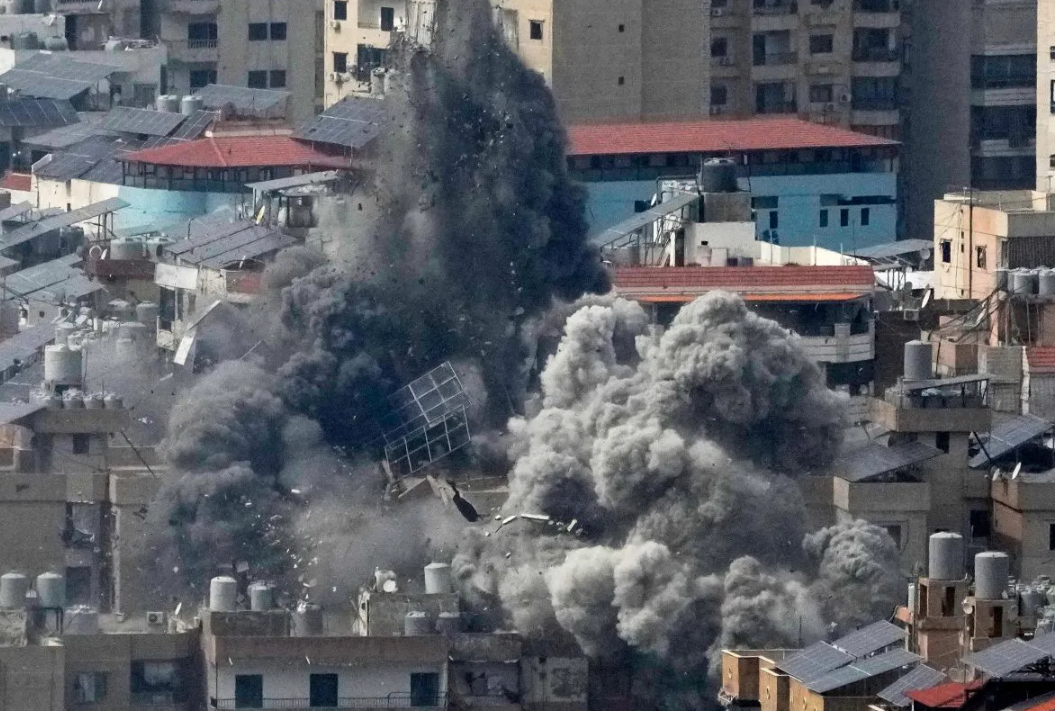
The broader geopolitical ramifications include potential shifts in alliances and long-term economic instability. As vows of revenge echo, the international community calls for restraint to prevent a wider war. This deadly phase marks a critical juncture in the US-Iran confrontation