A Mother’s Courage: One Family’s Journey Through Infantile Spasms and the Fight to Save Their Daughter
A joyful beginning that turned into uncertainty
The birth of a child is usually a moment filled with joy, hope, and dreams for the future. For one young mother, the arrival of her baby girl brought exactly that feeling — a healthy newborn and the promise of a beautiful life ahead.
During the first weeks, everything appeared normal. Her daughter was feeding well, growing, and showing all the signs of a thriving baby.
Like many newborns, she received routine care at birth, including vitamin K and eye ointment. Nothing seemed unusual, and her parents were beginning to settle into the rhythm of early parenthood.
But when their daughter reached two months old, something began to change.
The first signs that something was wrong
After her two-month checkup, the baby became increasingly irritable. At first, the mother believed it might simply be colic, a common condition that causes babies to cry frequently during the early months.
However, as the days passed, she noticed something that deeply worried her.
Her daughter began having small, unusual body movements — subtle twitching episodes that seemed different from normal infant reflexes.
Concerned, she brought the issue to her pediatrician.
The doctor initially suggested the movements might be related to acid reflux, reassuring her that many babies experience similar symptoms and that it was likely nothing serious.
Still, the mother felt uneasy.
Many parents describe a powerful instinct when something seems wrong with their child, and she could not shake the feeling that these movements were different.
A second opinion and a devastating diagnosis
As the episodes became more frequent, the mother decided to seek another medical opinion.
This time, doctors reacted immediately.
Her baby was rushed to a children’s hospital nearly two hours away for emergency testing.
After neurological evaluations and scans, doctors delivered a diagnosis that would change the family’s life:
Infantile spasms.
Infantile spasms are a rare but severe form of epilepsy that typically begins in infancy. The condition causes clusters of seizures that can affect brain development if not treated quickly.
For the mother, hearing the diagnosis was devastating.
Her once-healthy baby was now facing a serious neurological condition.
Living with seizures
In the weeks that followed, the family entered a world that many parents never imagine.
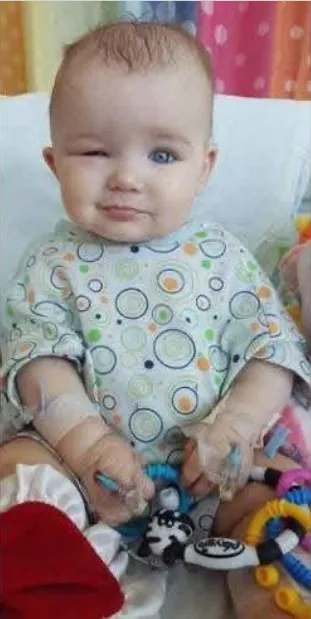
Hospital visits became routine. Doctors ran tests, adjusted medications, and closely monitored the baby’s condition.
Meanwhile, the seizures continued.
Some days the baby experienced dozens of episodes.
Watching a child suffer repeated seizures is one of the most painful experiences a parent can endure. Each episode left the mother feeling helpless and desperate for answers.
She began researching everything she could about infantile spasms — possible causes, treatments, and long-term outcomes.
Searching for answers
Infantile spasms can have many possible causes.
In some cases, doctors identify structural changes in the brain. In others, genetic conditions or unknown factors may be responsible.
Sometimes, despite extensive testing, no clear cause is found.
Like many parents navigating a serious medical diagnosis, this mother struggled with uncertainty.
She asked questions, explored medical literature, and tried to understand what might have triggered her daughter’s condition.
But clear answers were difficult to find.
A difficult decision about treatment
Doctors explained that treating infantile spasms quickly was essential to protect the baby’s developing brain.
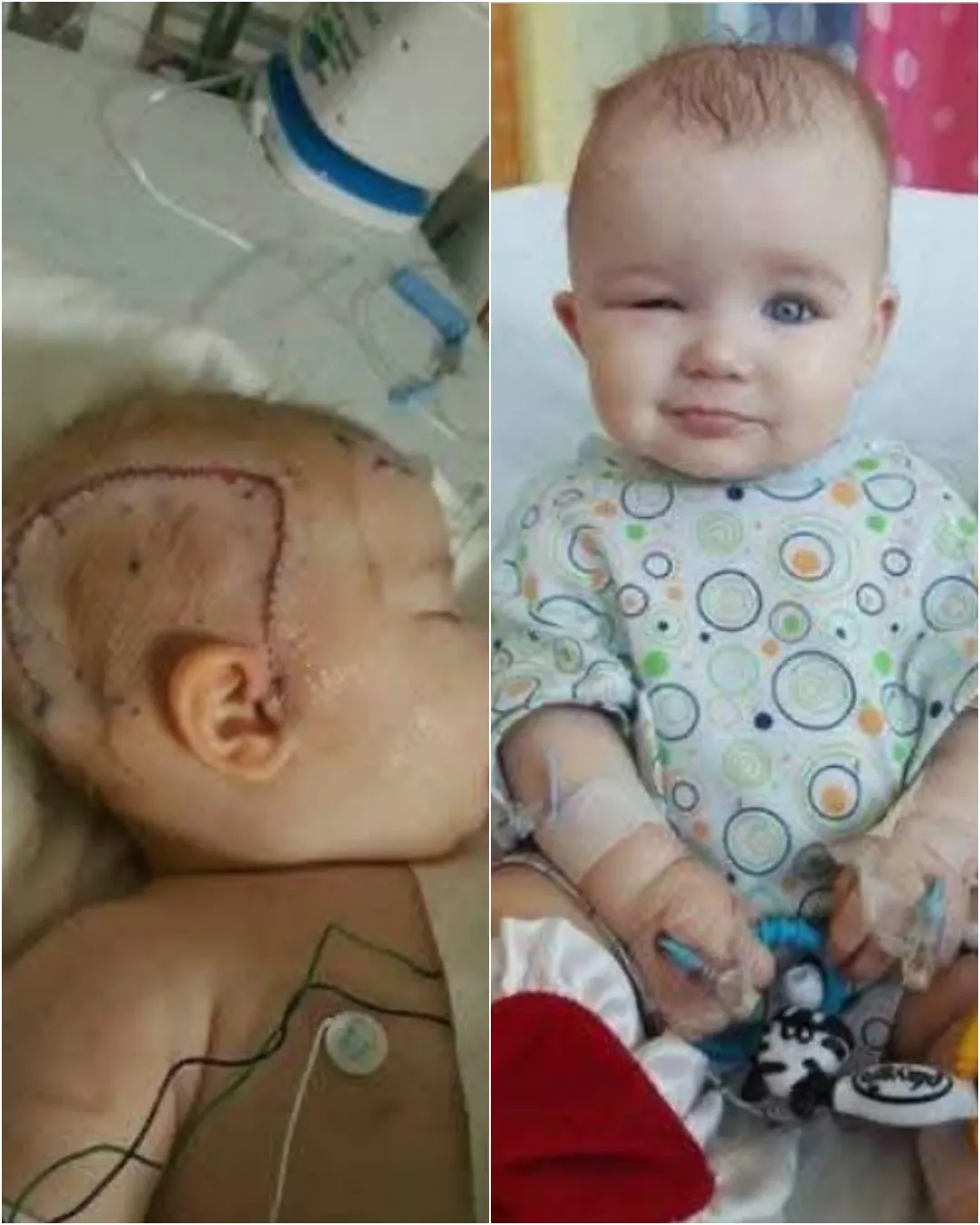
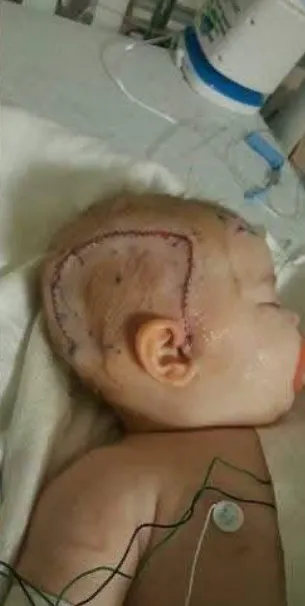
Possible treatments included specialized medications and, in some severe cases, surgery to remove the part of the brain where seizures originate.
The idea of brain surgery for a baby is terrifying for any parent.
Yet for some children with infantile spasms, surgery can dramatically reduce or stop seizures entirely.
Faced with this difficult reality, the mother had to weigh options that no parent should ever have to consider.
Strength in the face of fear
Despite overwhelming fear and uncertainty, the family continued fighting for their daughter.
They worked closely with neurologists and specialists, determined to give their child the best chance at recovery.
Parents of children with epilepsy often describe their journey as one of constant vigilance — watching closely for seizures, monitoring medications, and celebrating even the smallest signs of progress.
For this family, resilience became part of everyday life.
A story of courage and perseverance
Today, the mother reflects on the emotional journey that began with a healthy newborn and quickly turned into a battle for her daughter’s future.
Her experience highlights the challenges many families face when dealing with rare neurological conditions.
It is a story of uncertainty, determination, and the deep bond between a parent and child.
Most of all, it is a reminder that behind every medical diagnosis is a family doing everything they can to protect the life they love most.
Through fear, research, medical care, and unwavering devotion, this mother continues to stand beside her daughter — fighting for healing, hope, and a brighter future.