US-Israel war with Iran enters its 12th day
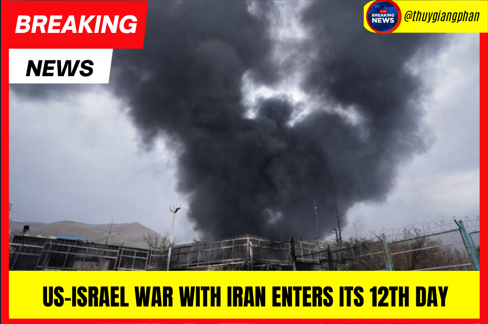
As the joint US-Israel military campaign against Iran marks its 12th consecutive day, the intensity shows no signs of waning, with Iranian state media reporting the bombardment of nearly 10,000 civilian structures and a tragic toll exceeding 1,300 civilian lives lost. Overnight operations have focused on key assets like Tehran’s international airport and oil refineries, crippling logistics and fuel supplies, while Iranian retaliatory missile salvos have rained down on Israeli urban centers and US military installations scattered across the Persian Gulf. This protracted engagement has triggered a humanitarian crisis, displacing hundreds of thousands and straining resources in refugee camps along borders. Economic ramifications are rippling worldwide, with energy futures markets experiencing volatility as traders anticipate prolonged disruptions to global oil exports. Analysts note that the sustained aerial dominance of US and Israeli forces has allowed for precision targeting, but Iran’s asymmetric warfare tactics, including drone swarms, continue to pose unpredictable challenges.
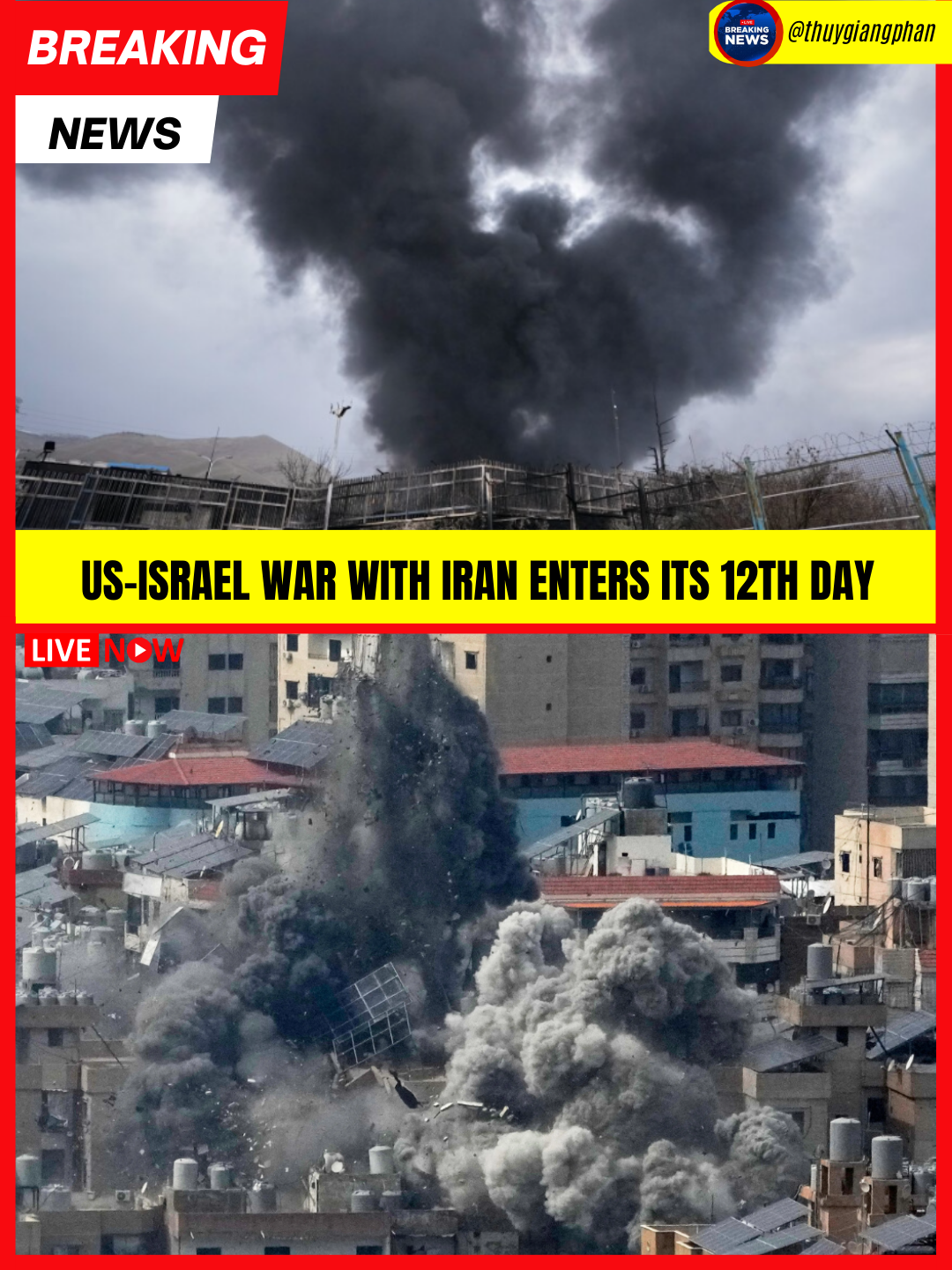
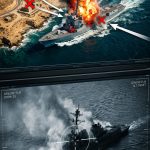
In the heart of Tehran, massive explosions have echoed through residential districts following Israeli airstrikes on alleged military-embedded sites, prompting the Islamic Revolutionary Guard Corps (IRGC) to claim victories in striking back at Israeli intelligence headquarters and US forward operating bases. Neighboring Gulf states such as Saudi Arabia, Qatar, and the United Arab Emirates have bolstered their air defenses, successfully intercepting numerous Iranian projectiles and reporting only sporadic damage, though public alerts have kept populations on edge. The US Department of Defense has acknowledged 140 personnel wounded in action, alongside the neutralization of several Iranian naval assets, highlighting the multi-domain nature of the warfare involving air, sea, and cyber elements. President Trump’s recent remarks suggest optimism for a quick resolution, yet military experts caution that entrenched positions and ideological motivations could extend the conflict indefinitely, potentially drawing in more regional actors.
International pressure mounts for de-escalation, with the UN Security Council gearing up for votes on condemnatory resolutions, though divisions among permanent members hinder progress. The broader geopolitical landscape is shifting, as allies like Russia and China voice support for Iran, condemning what they term as Western aggression, while European nations advocate for diplomatic negotiations to avert a larger catastrophe.
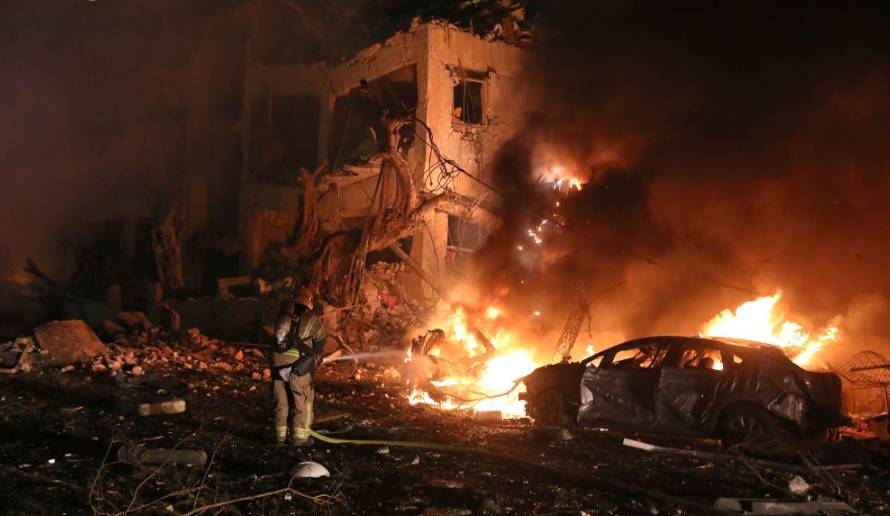
Civilian stories emerging from the frontlines paint a picture of resilience amid devastation, with communities organizing mutual aid despite power outages and communication blackouts. The war’s expansion into proxy battles in Lebanon adds another layer of complexity, raising alarms about a potential domino effect across the Middle East.