Owen’s Sleep Study: How Compassion and Creativity Turned a Medical Test Into a Comforting Experience
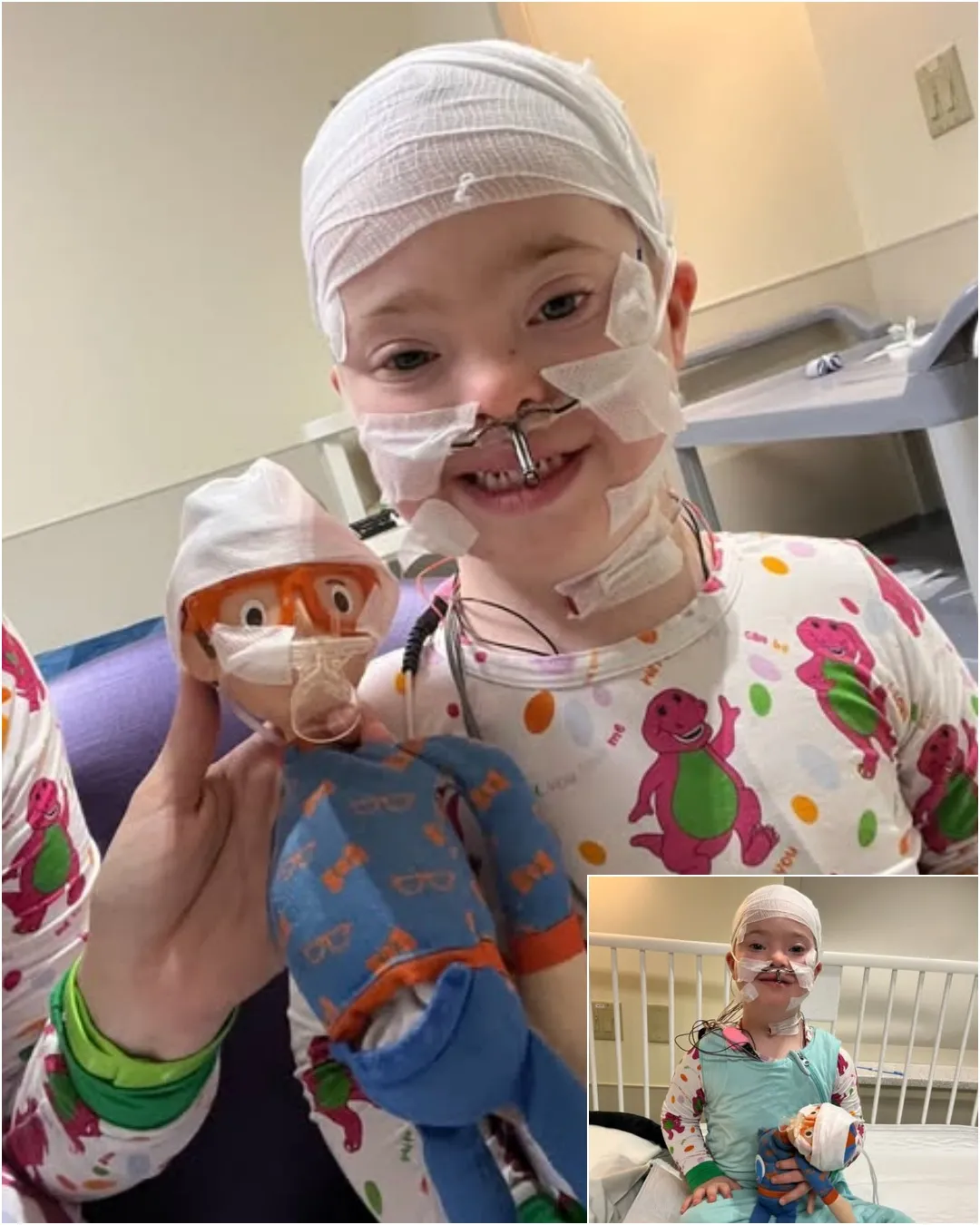
For many children, medical procedures can feel intimidating and unfamiliar. The sight of wires, monitors, and hospital equipment can easily cause anxiety—especially for younger patients who may not fully understand what is happening. But for one young patient named Owen, an overnight sleep study at Children’s Mercy became a story of compassion, creativity, and the power of thoughtful care.
Thanks to the kindness of the hospital’s nursing team—and the comforting presence of Owen’s favorite doll—the experience turned into a moment of reassurance rather than fear.
Preparing for an Overnight Sleep Study
Owen arrived at Children’s Mercy for a scheduled overnight sleep study, a medical test designed to monitor a patient’s breathing, heart rate, and sleep patterns during the night. Sleep studies are commonly used to diagnose conditions such as sleep apnea and other sleep-related disorders.
For adults, the process may simply feel inconvenient. But for a child, sleeping in a hospital room connected to medical equipment can feel overwhelming.
When Owen walked into the sleep center, he brought something very important with him—his favorite companion, a doll named Blippi.
The toy was more than just a plaything. For Owen, Blippi represented comfort, familiarity, and a sense of security in an unfamiliar environment.
A Bond That Nurses Immediately Noticed
The nursing team quickly noticed how closely Owen held onto his beloved doll. It was clear that Blippi played a big role in helping him feel calm and safe.
Healthcare providers who work with children know that emotional comfort is just as important as physical care. Reducing anxiety can help young patients cooperate with procedures and make medical experiences much less stressful.
Understanding this, the nurses began thinking about how they could help Owen feel even more at ease during his sleep study.
What they came up with was simple—but incredibly meaningful.
Turning a Doll Into a Teammate
During a sleep study, patients must wear small sensors and wires attached to their heads and bodies to monitor brain activity, breathing patterns, and other vital signs while they sleep.
For a child, these wires can look strange and even scary.
So the nurses decided to include Owen’s doll in the process.
They placed the same headband and wires on Blippi that Owen would be wearing during the test.
Suddenly, Owen wasn’t the only one participating in the sleep study—his best buddy was part of it too.
The creative gesture instantly changed the atmosphere of the room.
Instead of feeling nervous about the unfamiliar equipment, Owen could see that his trusted companion was going through the exact same experience.
A Small Gesture With a Big Impact
What might seem like a small detail made a huge difference in Owen’s comfort level.
By involving Blippi in the sleep study, the nurses helped Owen feel:
- Less alone during the procedure
- More in control of the situation
- More relaxed about the unfamiliar equipment
The doll became a reassuring partner throughout the process, transforming what could have been a stressful medical test into something far more manageable.
Moments like these demonstrate how empathy and creativity can shape a child’s healthcare experience.
The Philosophy Behind Child-Centered Care
At Children’s Mercy, the care team understands that treating pediatric patients requires more than medical expertise alone. Children experience hospitals differently than adults, and their emotional well-being plays a critical role in how they respond to treatment.
That is why the hospital embraces the #BuiltForKids approach—a philosophy centered on meeting both the physical and emotional needs of young patients.
This approach focuses on creating an environment where children feel:
- Safe and supported
- Understood and respected
- Comfortable asking questions
- Empowered during medical experiences
By paying attention to details that matter to children—like a favorite toy or familiar routine—healthcare providers can significantly reduce fear and anxiety.
The Role of Compassion in Pediatric Medicine
Owen’s experience highlights an important truth about pediatric healthcare: compassion can be just as powerful as medical treatment.
For children, small gestures of kindness can transform a stressful situation into a positive memory.
Whether it’s decorating hospital rooms, explaining procedures in child-friendl