U.S. Deploys F-35 Stealth Fighters and Aerial Refueling Aircraft to Middle East Amid Rising Regional Tensions
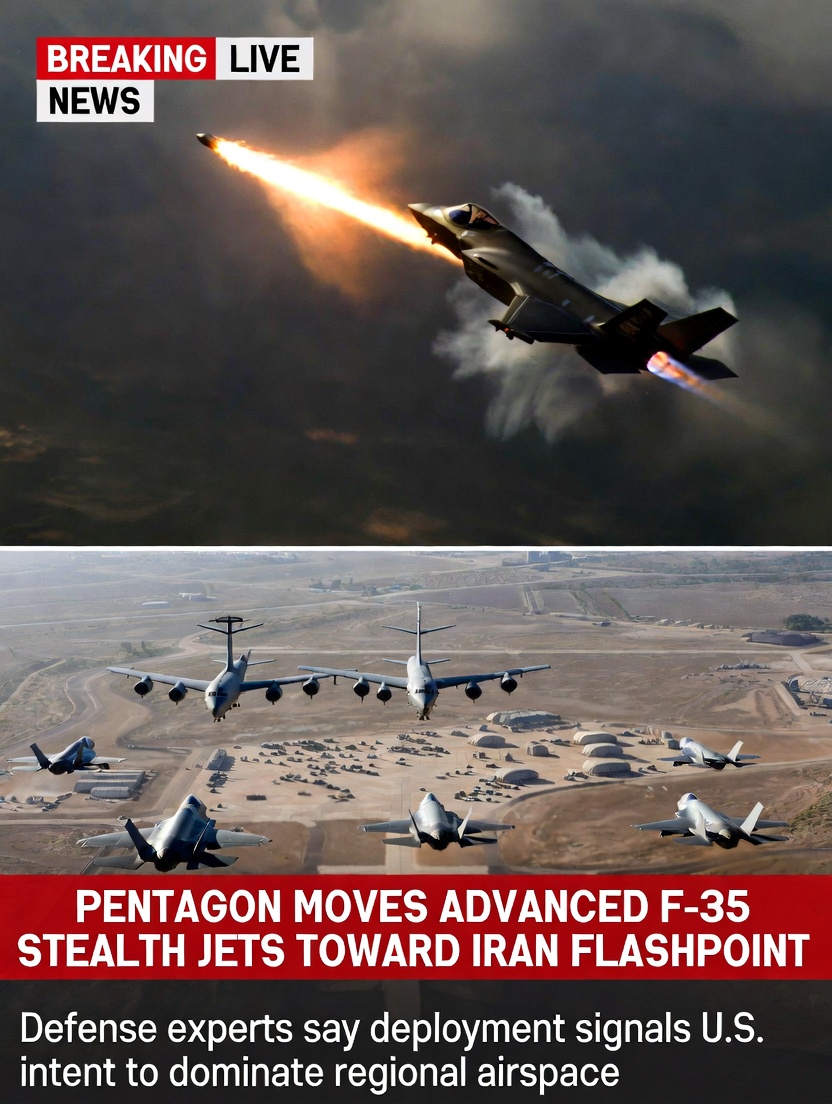
The United States has deployed additional advanced military aircraft, including F-35 stealth fighter jets and KC-135 aerial refueling tankers, to the Middle East in a move aimed at strengthening its military presence and supporting allied forces in the region. U.S. defense officials say the deployment is intended to enhance operational readiness and ensure air superiority as tensions remain high across several conflict zones.
According to the U.S. Department of Defense, the aircraft deployments are part of a broader effort to reinforce American forces already operating in the region. Squadrons of F-35 Lightning II fighter jets, one of the most advanced stealth aircraft in the U.S. military arsenal, have been dispatched to bases in the Middle East to bolster surveillance and strike capabilities.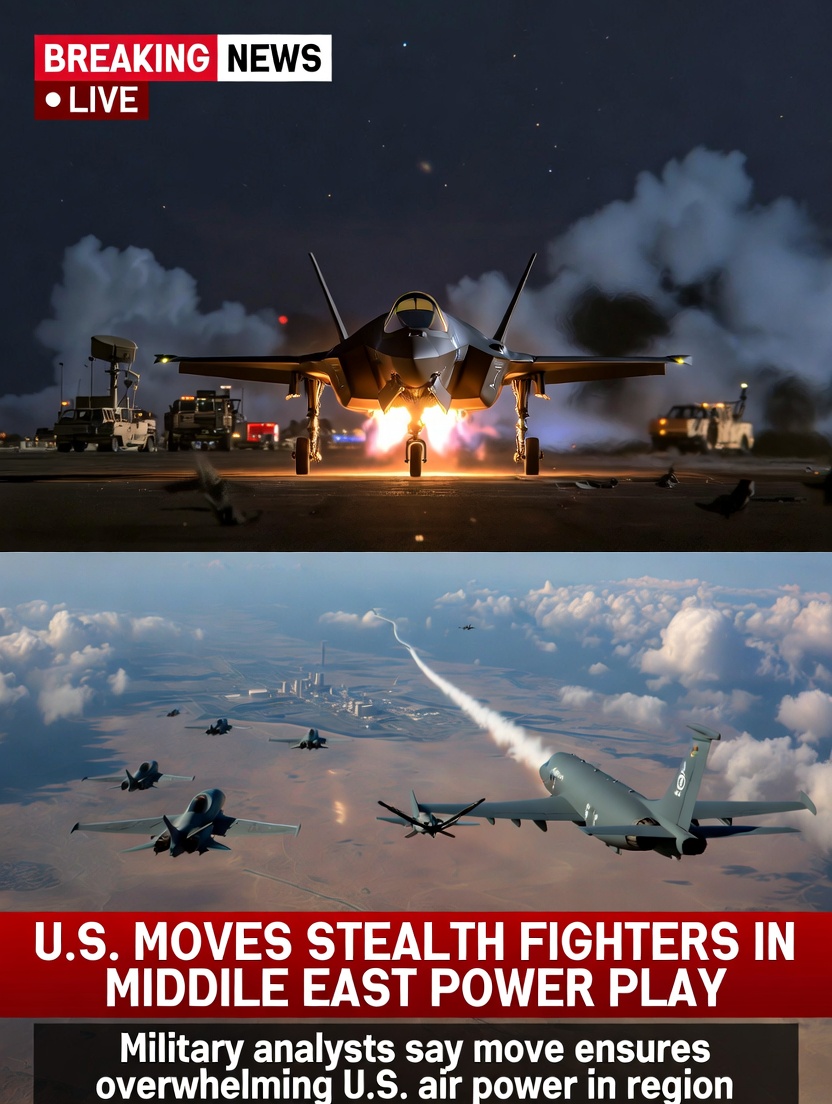
The F-35 is a fifth-generation fighter designed to perform multiple combat roles, including air superiority, precision strikes, and intelligence gathering. Its stealth technology allows it to evade most radar detection systems, while its advanced sensors enable pilots to identify and target threats at long distances. The aircraft can carry precision-guided bombs, air-to-air missiles, and long-range cruise missiles, making it one of the most versatile combat platforms currently in service.
Alongside the stealth fighters, the U.S. has deployed KC-135 Stratotanker aircraft, which provide aerial refueling support to combat jets and other aircraft during long-range operations. By allowing fighter jets to refuel mid-air, these tankers significantly extend operational range and enable aircraft to remain in combat zones for longer periods without returning to base.
Pentagon officials said the deployment is meant to strengthen deterrence and ensure that U.S. and allied forces maintain the ability to respond quickly to emerging threats. While the Pentagon did not specify the exact number of aircraft involved or the precise locations of the bases receiving them, defense analysts say the move underscores Washington’s commitment to maintaining military superiority in the region.
Military experts note that the combination of stealth fighters and aerial refueling aircraft provides a significant operational advantage. F-35 jets can conduct deep precision strikes against heavily defended targets while remaining difficult for enemy radar systems to detect. With KC-135 tankers supporting them, the aircraft can operate for extended missions that cover vast areas of the Middle East.
“This type of deployment gives the United States sustained air power across the region,” said one defense analyst. “It allows aircraft to patrol longer, respond faster to threats, and maintain a strong deterrent posture.”
The deployment comes at a time of heightened geopolitical tension involving several regional actors, including Iran and U.S. allies in the Gulf. Recent months have seen an increase in military activity, including missile launches, drone operations, and naval deployments across key strategic waterways.
Officials say reinforcing air capabilities helps protect U.S. troops stationed across the Middle East while also reassuring regional partners that Washington remains committed to collective security arrangements.
The Middle East has long been a focal point of U.S. military operations due to its strategic location, energy resources, and complex network of alliances and rivalries. Over the past two decades, the United States has maintained multiple airbases and naval facilities across the region to support counterterrorism operations, maritime security missions, and regional deterrence efforts.
Iran’s growing missile and drone capabilities have also been a source of concern for U.S. military planners. Analysts say stealth aircraft such as the F-35 are particularly valuable in environments where advanced air defense systems may be present, as their low radar signature makes them more difficult to track and intercept.
The latest deployment reflects a broader strategy of maintaining rapid-response capabilities while avoiding the need for large permanent troop increases. By relying on advanced aircraft and support systems, the U.S. military can project power quickly across large distances while maintaining flexibility in how forces are used.
Regional governments have been closely monitoring the development, though official reactions have remained cautious. Some analysts say the move could be interpreted both as a defensive measure and as a signal of readiness should tensions escalate further.
For now, the presence of additional F-35 fighters and KC-135 refueling aircraft is expected to strengthen the United States’ ability to conduct extended air operations in the region. Defense officials say the deployment is primarily intended to reinforce deterrence and stability, but observers note that it also provides Washington with increased military options if the security situation deteriorates.