The Invisible Balance 🌿🐾
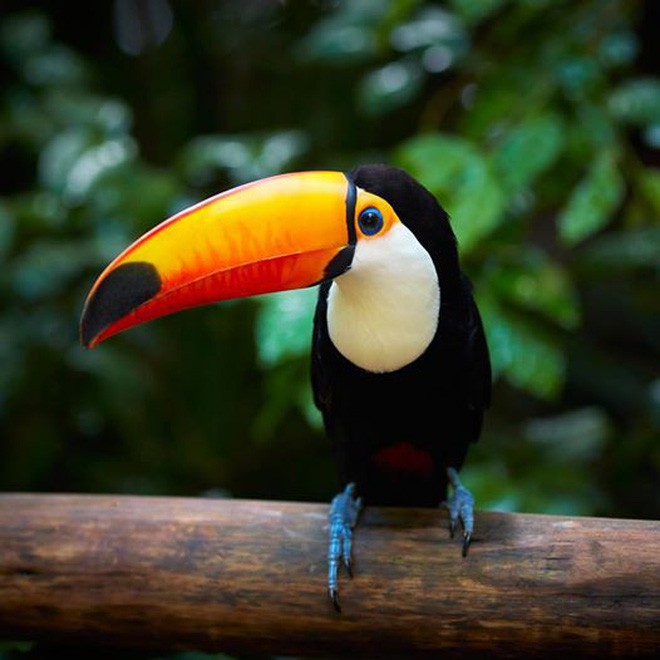
Wild animals are not simply inhabitants of nature—they are essential to its survival.
From the largest predators to the smallest organisms, each species plays a role in maintaining the delicate systems that keep ecosystems functioning. Predators regulate populations, preventing overgrazing and preserving vegetation. Herbivores shape the landscape through their feeding patterns. Smaller species, often overlooked, contribute to soil health, pollination, and the cycling of nutrients.
Together, these interactions form a complex network—an invisible balance that sustains life.
A System Built on Connection
Ecosystems do not operate in isolation.
Each species is connected to others through food chains, habitats, and environmental processes. When one part of this system changes, the effects can spread far beyond what is immediately visible.
For example, the loss of a key predator can lead to an overpopulation of certain herbivores. This can result in the depletion of plant life, which then affects other species that rely on the same resources. Over time, entire landscapes can be altered.
What may seem like a single loss can trigger a cascade of consequences.
The Role of the Smallest Creatures
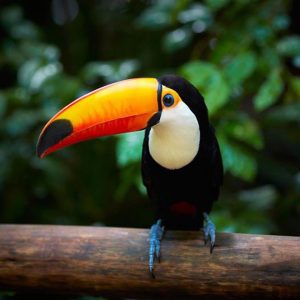
While large animals often draw the most attention, smaller species are just as critical.
Insects pollinate plants that support entire food systems. Microorganisms break down organic matter, enriching the soil. Birds and small mammals help disperse seeds, allowing forests and grasslands to regenerate.
These roles are often invisible, but without them, ecosystems would struggle to survive.
A Balance at Risk
Human activity—such as deforestation, pollution, and climate change—has begun to disrupt this balance.
As species disappear or decline, the systems they support become weaker. Over time, this can lead to reduced biodiversity, unstable environments, and a loss of natural resources that both wildlife and humans depend on.
The effects are gradual, but they are real.
More Than Just Nature
The balance maintained by wildlife is not separate from human life.
Clean air, fertile soil, stable climates, and food production all depend on healthy ecosystems. When nature is disrupted, these essential systems are affected as well.
Protecting wildlife is not only about preserving animals—it is about maintaining the conditions that make life possible.
A Quiet Truth
The natural world does not rely on recognition.
Its systems operate quietly, continuously, and without pause.
But their importance cannot be overstated.
Because without this invisible balance, the world as we know it would slowly begin to collapse. 🌿🐾