
Design of detection limits (stealth aircraft)
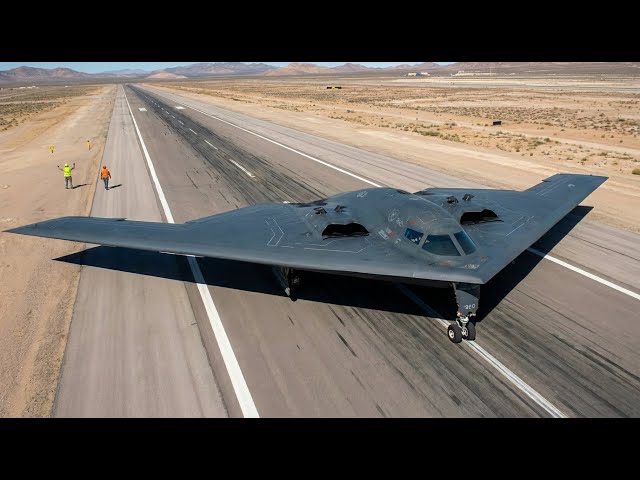
Stealth aircraft are not truly “invisible”—they are engineered to delay detection, reduce tracking accuracy, and complicate engagement. The concept of detection limits revolves around how difficult it is for enemy systems to find, identify, and target an aircraft like the F-22 Raptor or B-2 Spirit.
1. Radar Cross Section (RCS) Reduction
At the heart of stealth design is minimizing Radar Cross Section (RCS)—how much radar energy an aircraft reflects back to the source. Stealth aircraft use:
Angled surfaces to deflect radar waves away
Smooth contours to avoid strong reflections
Internal weapon bays to eliminate external shapes
This drastically reduces the range at which radar can detect the aircraft.
2. Radar-Absorbent Materials (RAM)
Special coatings absorb radar waves instead of reflecting them. These materials convert electromagnetic energy into heat, further lowering detectability. However, RAM requires careful maintenance and is a key factor in operational cost.
3. Infrared Signature Management
Detection isn’t just about radar. Heat-seeking systems look for engine exhaust and surface temperature. Stealth aircraft reduce infrared signatures by:
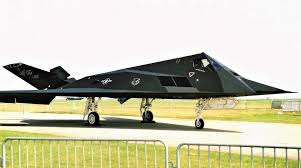
Shielding engine exhaust
Mixing hot exhaust with cooler air
Using heat-dispersing structures
4. Electronic Warfare and Jamming
Modern stealth platforms integrate electronic warfare systems that can:
Jam enemy radar
Create false targets
Disrupt tracking systems
This adds another layer of protection beyond physical design.