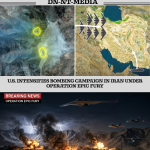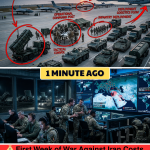
U.S. Boosts Military Presence Near Strait of Hormuz as Strategic Bombers Enter Iran Campaign
The United States is significantly ramping up its military presence around the Strait of Hormuz, deploying additional naval assets, accelerating mine-clearing capabilities, and expanding its air campaign with long-range strategic bombers. The moves come amid escalating conflict with Iran and growing concerns over the security of one of the world’s most critical oil chokepoints.
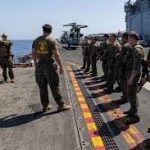
Recent defense reports indicate that U.S. forces are repositioning key naval units and rushing specialized mine-countermeasure ships back to the Gulf, as fears mount that Iranian sea mines could further disrupt maritime traffic. At the same time, additional troops are being deployed to strengthen regional deterrence and prepare for potential contingencies tied to the strait’s closure.
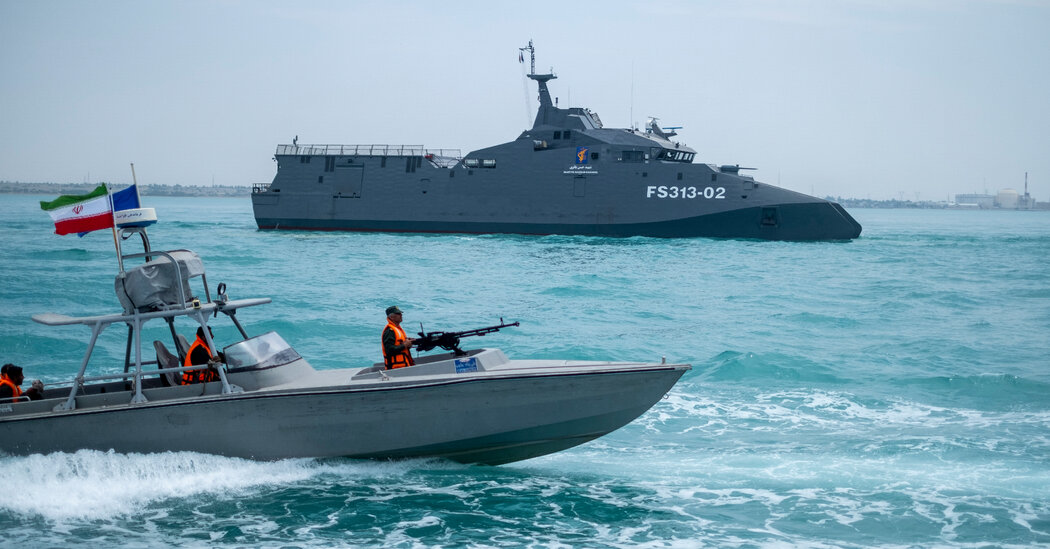
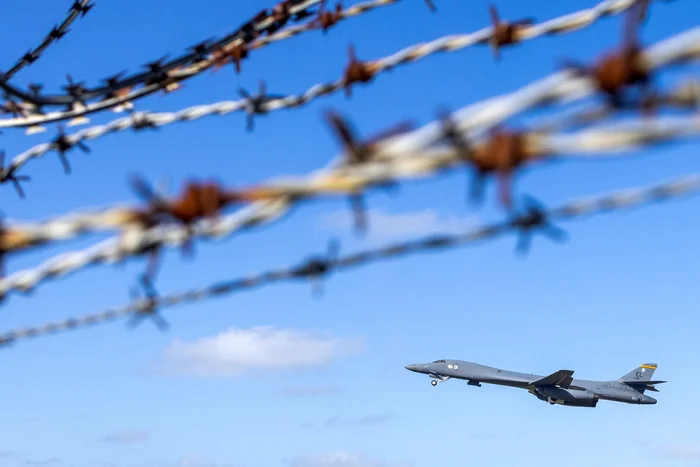
In the air, the Pentagon has expanded its campaign by deploying strategic bombers—including B-1, B-2, and B-52 aircraft—capable of striking deep inside Iran. These bombers have already been used in large-scale operations targeting missile systems, naval assets, and military infrastructure as part of a broader effort to weaken Iran’s ability to threaten shipping lanes.
The current phase of operations is closely tied to efforts to reopen the Strait of Hormuz, which has been partially disrupted during the conflict. U.S. air and naval strikes are increasingly focused on Iranian maritime capabilities, including drones and fast-attack vessels operating in and around the narrow waterway.
Meanwhile, tensions remain extremely high. Iran has rejected U.S.-backed ceasefire proposals and warned of further escalation, including threats to expand the conflict beyond Hormuz to other strategic routes.