
The Invisible Workforce Behind Our Cities: Why Every Honest Job Deserves Respect
- KimAnh
- May 1, 2026
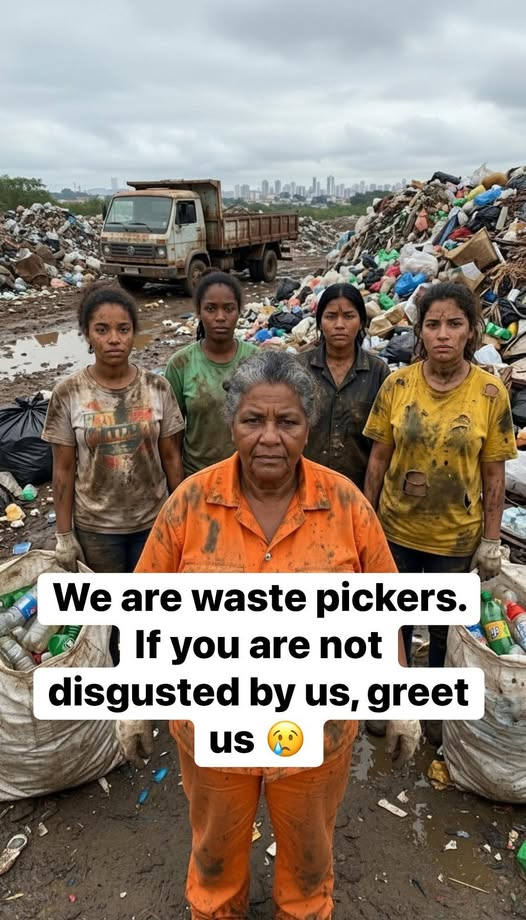
In the relentless pace of modern life, there are jobs many people instinctively avoid—not because they lack value, but because they are physically demanding, dirty, and often overlooked. On the edges of cities, in landfills and dumping grounds, waste pickers work quietly among mountains of discarded materials. Their labor may not be glamorous, but it is essential—both for their survival and for the functioning of society as a whole.
The silent backbone of urban life
Every clean street, every emptied trash bin, every recycled bottle tells a story that rarely gets acknowledged. Waste pickers are part of an informal yet crucial system that helps manage the overwhelming volume of waste produced daily. Without them, many urban areas would struggle to cope with pollution and environmental degradation.
These workers begin their days early, often before sunrise. They sort through piles of garbage under harsh conditions—exposed to hazardous materials, extreme weather, and health risks—frequently without proper protective gear. What others throw away becomes their livelihood: plastic bottles, aluminum cans, cardboard, and scrap materials are carefully collected, sorted, and sold.
For them, “waste” is not worthless—it is opportunity. It is food on the table, school fees for their children, and a chance—however small—for a better future.
Living with stigma and invisibility
Despite their contributions, waste pickers often face social stigma. Many people avoid eye contact, keep their distance, or treat them as if they are invisible. This reaction is rooted in long-standing biases that equate dignity with certain types of work, overlooking the humanity and effort behind less visible professions.
The result is not just physical hardship, but emotional isolation. Being ignored or looked down upon can be as heavy a burden as the work itself. When respect is withheld, it reinforces a divide that devalues honest labor and the people who perform it.
Redefining dignity and worth
It is worth asking: what truly defines a person’s value? Is it their job title, or the integrity and perseverance they bring to their work?
Every honest job contributes to society in its own way. Whether someone is a doctor, an engineer, or a waste picker, they are part of a larger system that keeps communities functioning. Waste pickers, in particular, play a vital role in recycling and environmental protection—often doing work that formal systems fail to fully address.
Their resilience speaks volumes. They endure difficult conditions not out of choice, but necessity. And yet, they continue—driven by responsibility, by family, and by hope.
The power of small acts of kindness
Changing perspectives does not always require grand gestures. Sometimes, the most meaningful impact comes from simple acts: a respectful glance, a kind word, a moment of acknowledgment. These small interactions can restore a sense of dignity and remind someone that they are seen.
Respect is not a limited resource—it costs nothing, yet it holds immense value. When extended sincerely, it has the power to bridge social divides and foster empathy.
Building a more humane society
Creating lasting change requires both individual awareness and collective action. On a structural level, there is a need for better support systems—access to protective equipment, healthcare, fair wages, and opportunities for education. These improvements can significantly enhance the quality of life for waste pickers and other marginalized workers.
At the same time, media and education play a critical role in reshaping public perception. By highlighting real stories and human experiences, society can begin to move away from judgment and toward understanding.
A shared responsibility
Waste is a byproduct of modern living, but managing it is a shared responsibility. Waste pickers are already doing their part—often at great personal cost. Recognizing their contribution is not just about fairness; it is about acknowledging the interconnectedness of our lives.
Behind every piece of discarded material is a human story—one of effort, survival, and resilience.
In a world that often prioritizes appearance over substance, waste pickers remind us of a deeper truth: dignity does not come from what we do, but from how we live and persevere.
They are not asking for sympathy. They are asking to be seen, to be respected, and to be treated as equals.
Respecting every form of honest work is more than a moral choice—it is a reflection of our humanity. ❤️