Heartwarming Yet Cautionary: Fawn Found Resting Beside Fake Deer Target
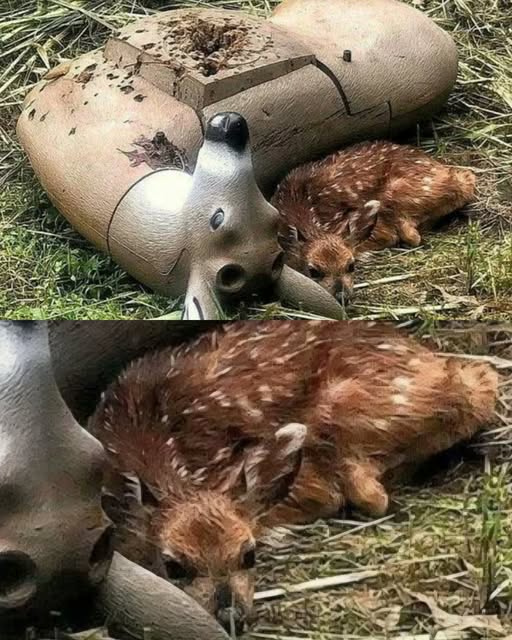
A young fawn was recently discovered curled up asleep right beside a realistic fake deer decoy, creating an unexpectedly touching scene that has captured the internet’s attention. The fake deer, reportedly used for target practice by hunters or archery enthusiasts, stood motionless in a grassy field when the tiny fawn chose it as a resting spot, snuggling close as if seeking comfort or protection from its artificial companion.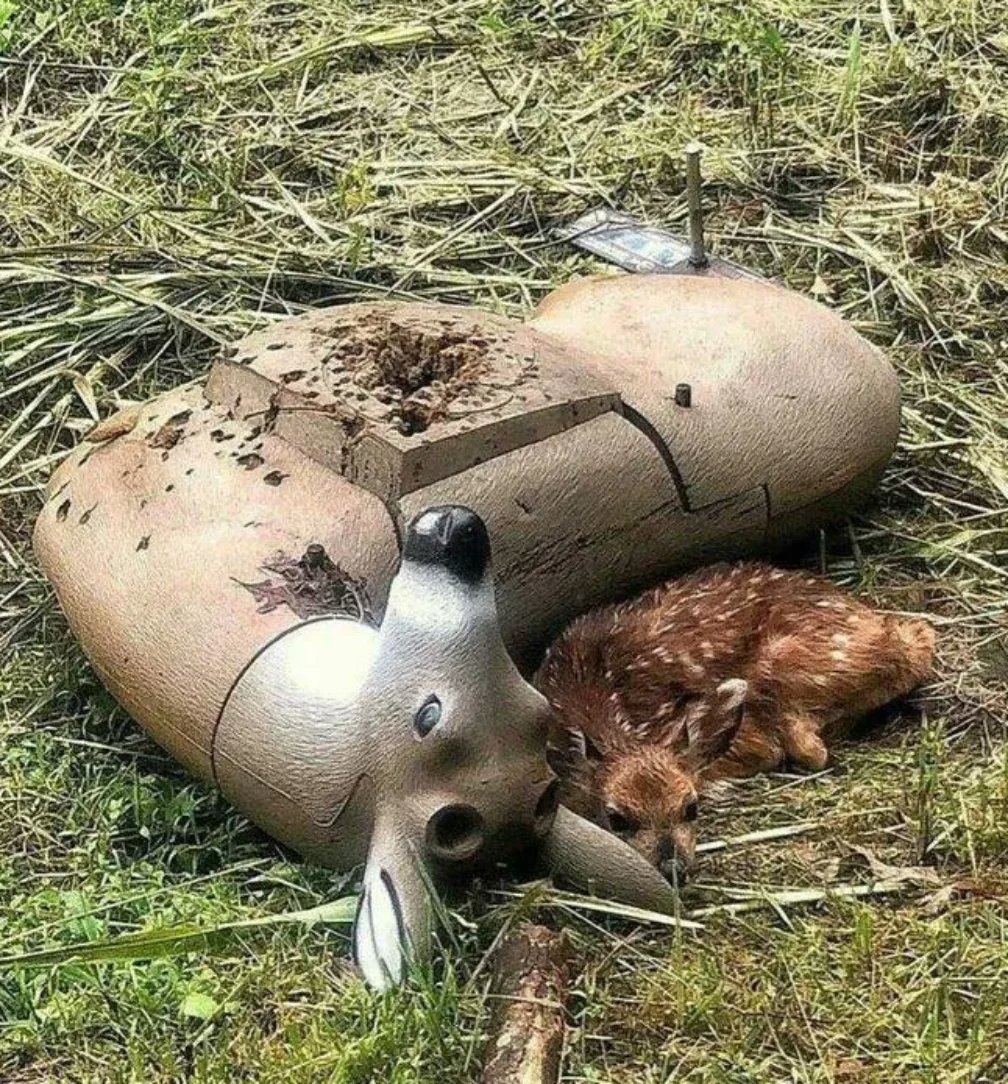
The image quickly spread across social media platforms, with many viewers describing the moment as both adorable and slightly humorous. However, wildlife experts are using the opportunity to educate the public about fawn behavior and proper response when encountering young deer in the wild.
According to biologists and wildlife rehabilitators, it is completely normal to find a fawn alone. Mother deer, known as does, frequently leave their newborns hidden in tall grass or near objects while they forage for food. By staying away from the fawn, the doe reduces the chance of attracting predators such as coyotes, bobcats, or even domestic dogs. The fawn’s natural instinct is to remain motionless and curled up, relying on its spotted coat for camouflage.
“People often think a fawn is abandoned when they see it by itself, but that’s rarely the case,” said one wildlife expert. “The mother is almost always watching from a safe distance. The best thing humans can do is leave the area immediately without touching or disturbing the animal.”
Interfering with a fawn can cause serious problems. If a human touches it, the fawn may carry the person’s scent back to the mother, increasing the risk of rejection. In most cases, the doe will return within a few hours, especially at dawn or dusk.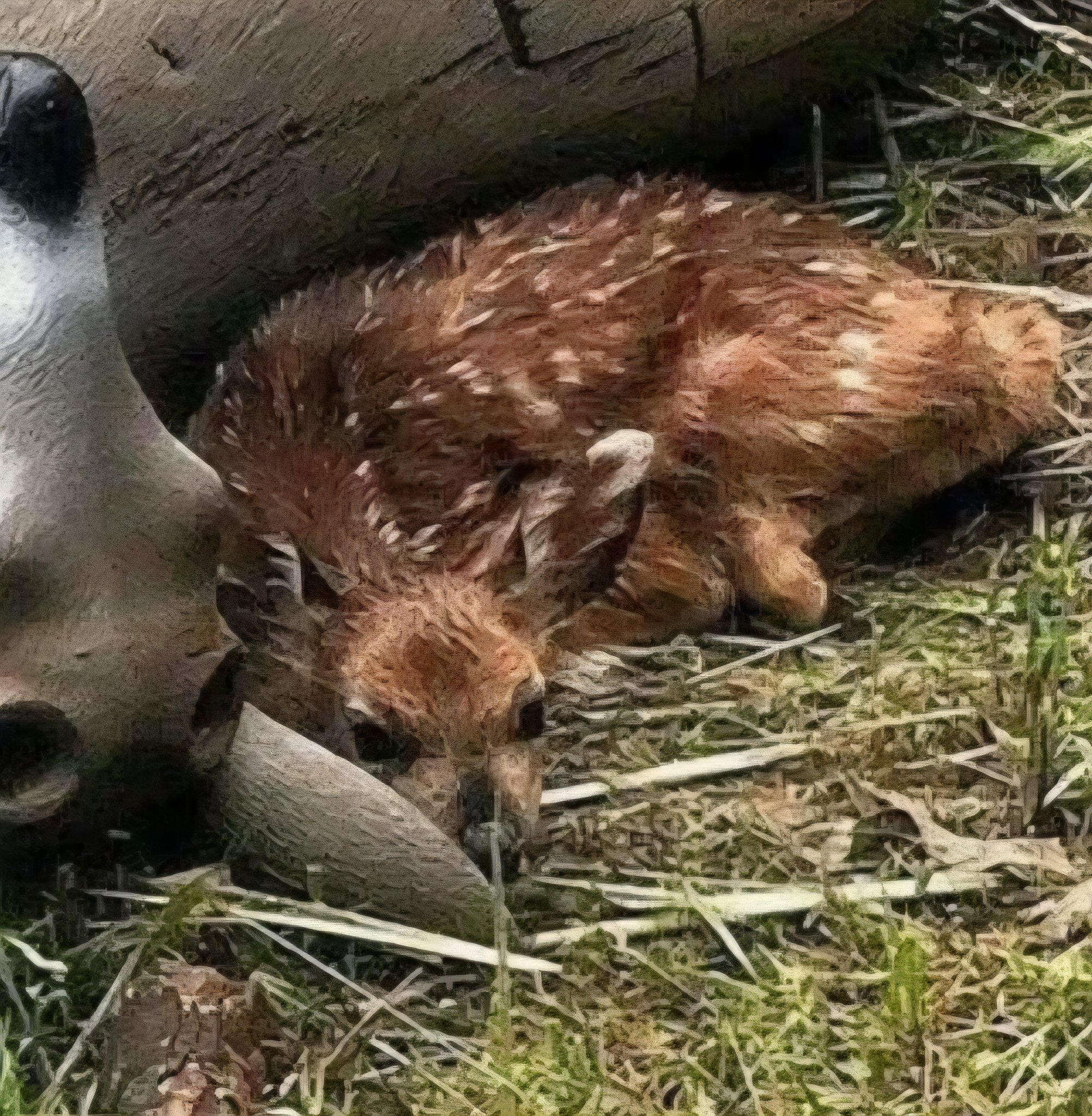
This viral photo serves as a gentle reminder: when you spot a resting fawn, admire it from afar, keep pets and children away, and let nature take its course. Respecting wild animals from a distance is one of the best ways to help them survive and thrive in their natural habitat.