The Tragic Extinction of the Baiji: Asia’s Only Dolphin Lost Forever

The Yangtze River, Asia’s longest waterway and the third-longest river in the world, once hosted one of the planet’s most unique marine mammals — the Baiji, also known as the Yangtze River dolphin.
For thousands of years, these graceful, pale blue-gray dolphins swam through the murky waters of the Yangtze, using sophisticated echolocation to navigate and hunt in the river’s low-visibility environment. Unlike their ocean-dwelling relatives, Baiji were fully adapted to freshwater life and were considered a living treasure of Chinese natural heritage.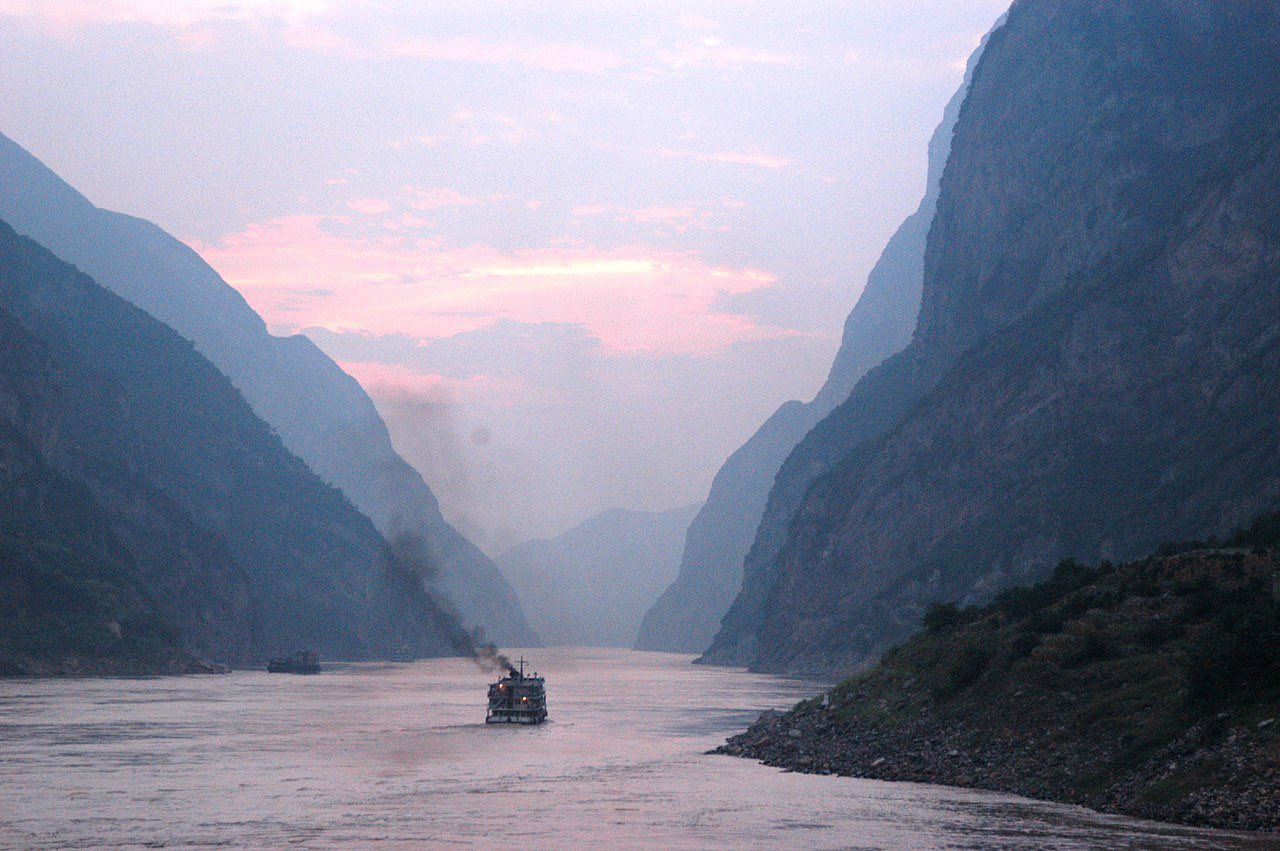
Tragically, the species is now extinct. In 2006, after an extensive scientific survey failed to find any remaining individuals, the Baiji was officially declared extinct — the only dolphin species to have been driven to extinction in modern times. The primary causes were human activities: massive industrialization, overfishing, ship traffic, pollution, and the construction of dams along the river, which destroyed their habitat and fragmented their population.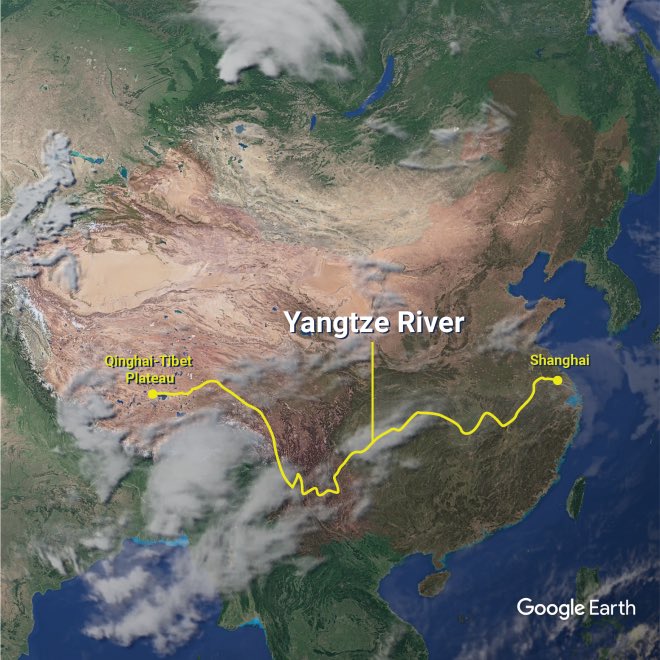
Once numbering in the thousands, the Baiji’s decline was rapid. By the late 20th century, only a few hundred remained, and the last confirmed sighting occurred in 2002. Conservation efforts came too late.
The loss of the Baiji stands as a sobering reminder of how quickly a species can vanish when human development overwhelms natural ecosystems. The Yangtze River continues to flow, but it is now missing one of its most iconic and ancient inhabitants — a silent warning for other endangered river species around the world.
Once called the “Goddess of the Yangtze,” the Baiji is gone, but its story remains a powerful call to protect what is left before it is too late.