
“Bladerunner” the Whale Survived a Devastating Propeller Strike — and Became a Symbol of a Global Crisis
- SaoMai
- May 12, 2026
“Bladerunner” the Whale Survived a Devastating Propeller Strike — and Became a Symbol of a Global Crisis
A humpback whale known as “Bladerunner” has become a powerful symbol of the growing danger ships pose to marine life after surviving a catastrophic propeller strike that experts once believed she could never endure.
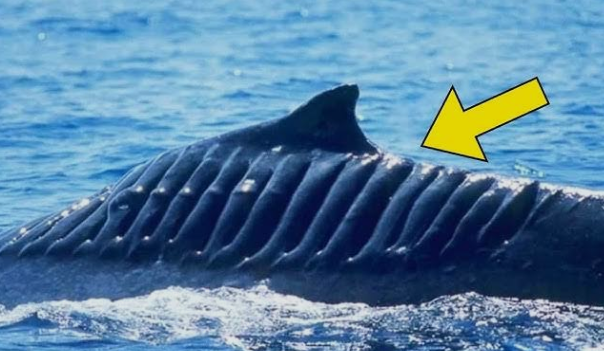
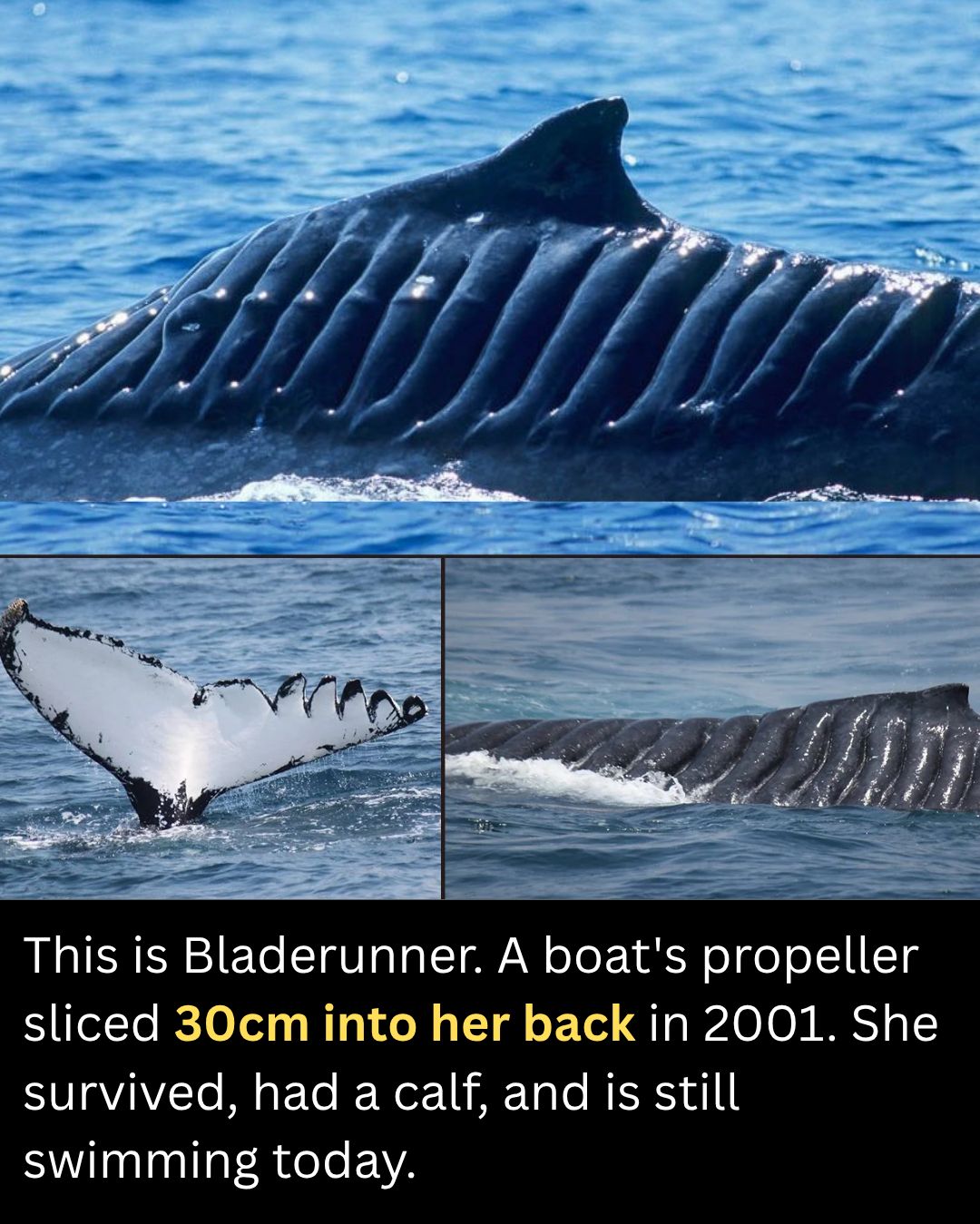
The incident occurred in 2001 off the coast of Sydney, Australia, when a vessel’s propeller slashed deeply across the whale’s back and tail fluke. The injuries were severe — approximately 30 centimeters deep — leaving extensive wounds that scientists initially considered unsurvivable.
 Despite the devastating trauma, the whale survived.
Researchers later named her “Bladerunner,” a reference to the long parallel scars permanently carved into her body by the rotating blades. Over time, her thick blubber slowly healed around the injuries, demonstrating the remarkable resilience of whales despite the scale of physical damage they can suffer.
Years later, Bladerunner became even more significant to researchers and conservationists. In 2013, twelve years after the strike, she was spotted alive and migrating again — this time with a newborn calf swimming beside her. The sighting was considered extraordinary, not only because she survived, but because she successfully reproduced after such severe injuries.
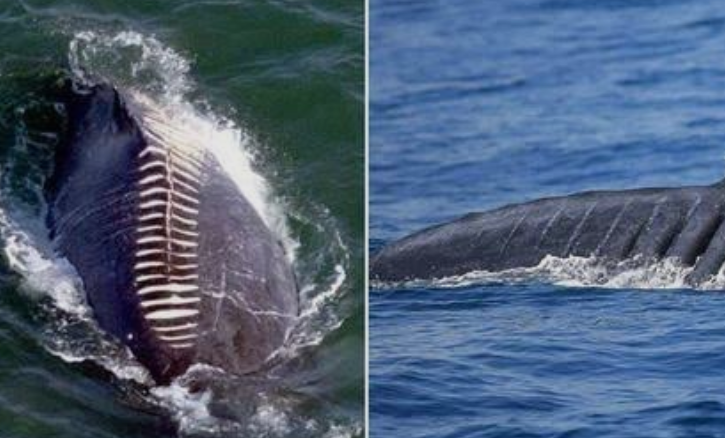 In 2024, drone footage captured Bladerunner once again during her annual migration along the coast of New South Wales. The scars across her back remain clearly visible more than two decades later, serving as a permanent reminder of the collision that nearly ended her life.
Marine scientists say her story highlights a much larger and often invisible global problem. Vessel strikes are estimated to kill approximately 20,000 whales every year worldwide. However, experts believe the actual number may be far higher because most whales struck by ships sink beneath the surface and are never recovered or documented.
Research suggests that only a small percentage of whale strike victims ever wash ashore, meaning the majority of deaths occur unseen beneath the ocean surface.
The issue is becoming increasingly urgent as global shipping traffic expands. A 2024 study published in Science reported that commercial shipping routes now overlap with approximately 92% of the habitats used by blue whales, fin whales, humpbacks, and sperm whales. Despite this overlap, mandatory vessel speed restrictions designed to reduce fatal collisions reportedly protect less than 1% of whale habitats globally.
 Conservation groups continue advocating for stricter speed regulations, improved monitoring systems, and greater awareness among shipping operators to reduce the number of fatal encounters.
Bladerunner’s survival has made her one of the rare whales able to visibly carry evidence of this crisis for decades. While most victims disappear unseen, her scars remain visible to researchers and the public alike.
For many, she represents both the resilience of wildlife and the urgent need for greater attention to the hidden dangers human activity creates beneath the ocean’s surface.