Do you approve of this, or do you think this is discrimination?
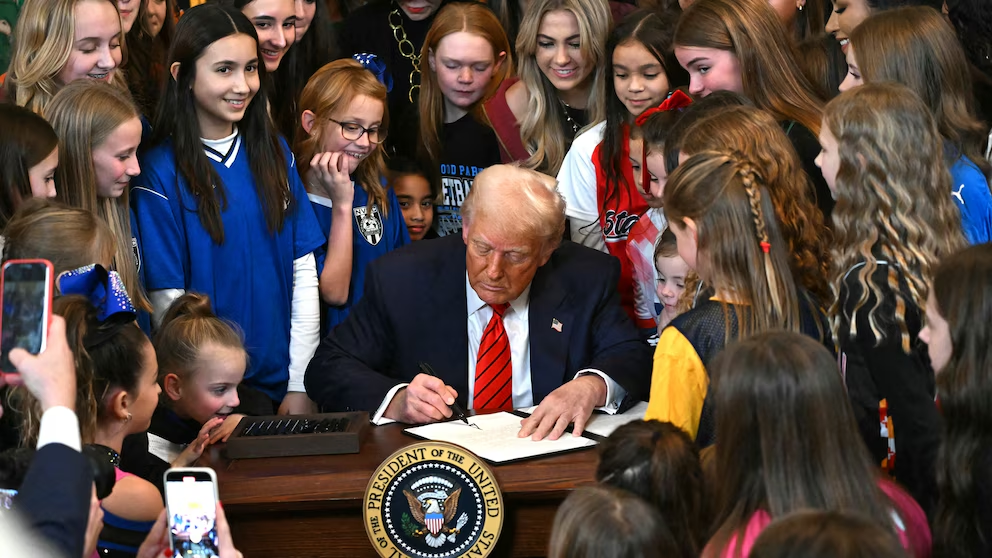
Trump’s Executive Order: Biological Males Removed from Women’s Prisons
President Donald Trump has directed federal authorities to move trans-identifying male inmates (biological males who identify as women) out of women’s prisons and back into male facilities. The policy, part of a broader executive order issued early in his second term titled “Defending Women from Gender Ideology Extremism and Restoring Biological Truth to the Federal Government,” emphasizes that sex is biologically determined and that single-sex spaces — including prisons — should be based on biological sex.
Background and Policy Details
On his first day in office in January 2025, Trump signed the order instructing the Attorney General and Bureau of Prisons (BOP) to ensure “males are not detained in women’s prisons” and to halt federal funding for gender-affirming medical treatments or procedures for inmates. This reversed previous policies that had allowed some transgender women (biological males) to be housed in female facilities based on gender identity.
The move has faced legal challenges, with lawsuits from transgender inmates and advocacy groups arguing that transfers expose them to heightened risks of violence in male prisons. Courts issued preliminary blocks in some cases, but appeals have proceeded, with a federal appeals court in April 2026 opening the door for transfers to resume after vacating certain injunctions.
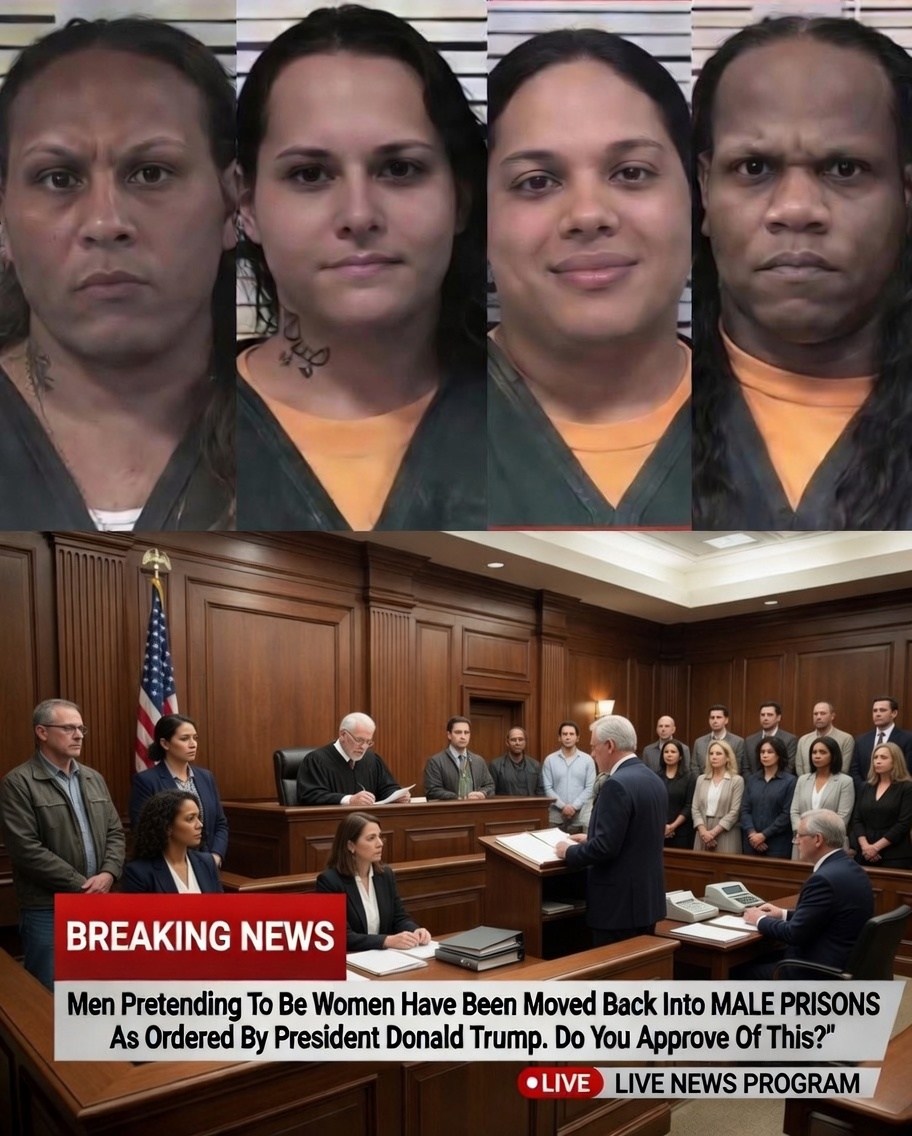
Critics’ Perspective
Opponents, including civil rights organizations and some legal advocates, contend that the policy is dangerous. They argue that transgender women, many of whom have undergone hormone therapy or surgery, face a high risk of sexual assault, harassment, or violence when placed in male prisons. Reports from lawsuits describe fears of immediate harm, and critics frame the order as part of a broader rollback of transgender rights, potentially amounting to cruel and unusual punishment under the Eighth Amendment.
Some prison officials and advocates have highlighted past incidents where transgender inmates reported safety concerns in male environments, emphasizing vulnerability due to physical characteristics or gender dysphoria.
Supporters’ Perspective
Supporters, including the Trump administration and women’s rights groups focused on biological sex, argue that female inmates’ safety, privacy, and dignity must come first. They point to documented cases where biological males in women’s prisons have committed sexual assaults or created discomfort through voyeurism or physical differences. Biological males retain significant physical advantages on average, even after hormone therapy, raising concerns about fairness and security in female facilities.
The core argument: Prisons are not exempt from biological reality. Women in prison — often victims of prior trauma — deserve protected spaces free from male-pattern strength or sexual threat. Housing decisions based on self-identified gender, they say, undermined the original intent of women’s prisons and violated the rights of female inmates. The policy restores sex-based segregation, consistent with common-sense standards in sports, shelters, and bathrooms.
Broader Context
This federal directive aligns with actions pressuring states to comply or risk losing funding, as seen in cases like Maine. It reflects a shift away from gender-identity frameworks toward sex-based classifications in government policy.
Trump’s order makes his position clear: men do not belong in women’s prisons. The debate continues in courts and public discourse, balancing competing claims of safety and rights. Female inmates, long overlooked in these discussions, now receive renewed attention as stakeholders whose protections matter equally.