Groundbreaking Discovery: Ancient Greek Literary Text Found on an Egyptian Mummy’s Abdomen
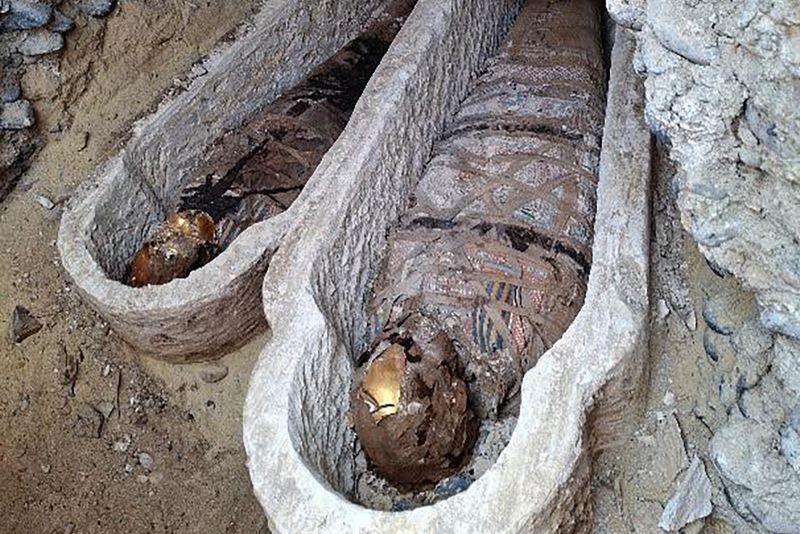
Archaeologists working at the ancient city of Oxyrhynchus in Egypt have announced an unprecedented discovery in history: a mummy with a fragment from Homer’s epic poem The Iliad placed directly on its abdomen.
This is the first time researchers have found a literary text used in the mummification process. Previously, mummies in this area had been found wrapped with papyrus scraps containing ritual formulas, but the appearance of a literary work marks a completely new development.
Ignasi-Xavier Adiego, a classical linguist at the University of Barcelona in Spain and a member of the research team, stated: “Until now, we had no idea that ancient people used literary texts as part of funeral rituals. This is a major breakthrough for us.”
The mummy dates back approximately 1,600 years to the Roman period. It was discovered in the town of Al Bahnasa, about 200 km south of Cairo. Although the papyrus was fragmented and heavily damaged, the researchers identified the text as an excerpt from the “Catalogue of Ships” in Book II of The Iliad.
According to Adiego, scientists have not yet determined exactly why a literary text was placed on the deceased’s body. One hypothesis is that it may have served as a kind of “signature” by the embalmer, or as a protective amulet similar to the ritual texts previously found. However, the use of a classical literary work in this role remains strange and difficult to explain.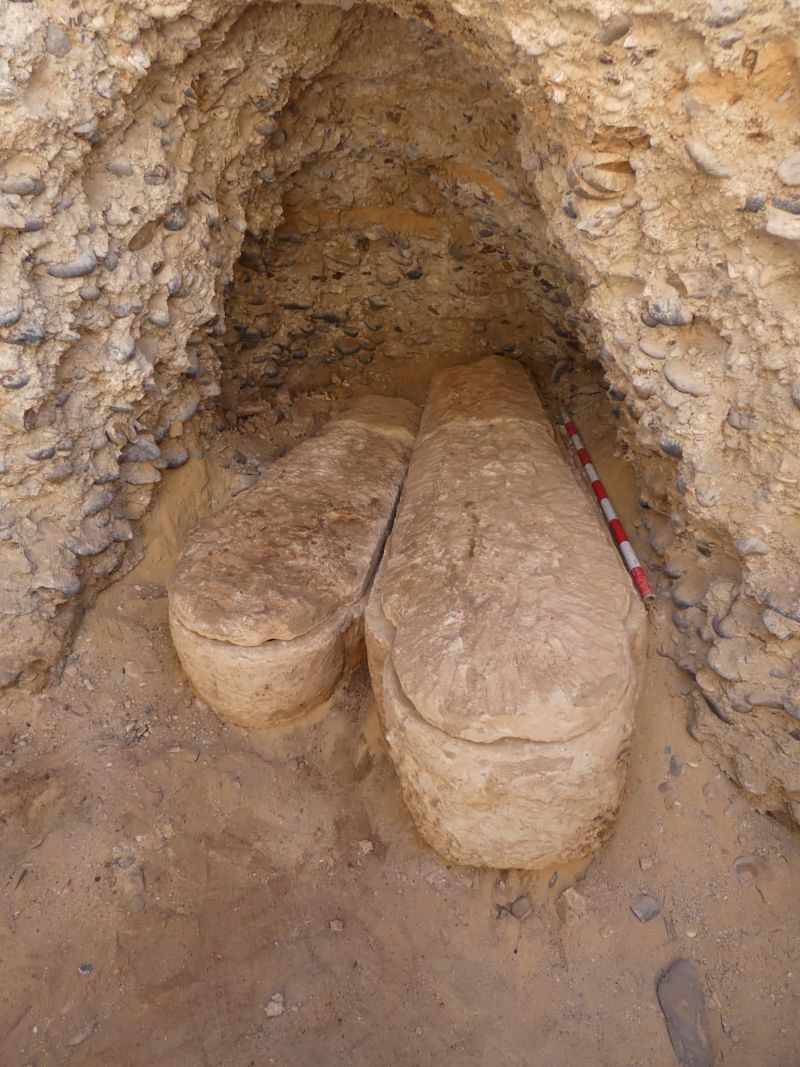
In addition to this unique mummy, Egypt’s Ministry of Tourism and Antiquities reported that the excavation uncovered three limestone tombs containing numerous other mummies. Among them, three mummies had gold leaves placed on their tongues, and one had a copper leaf.
Furthermore, inside the tomb chambers, archaeologists found large jars containing cremated adult remains, along with the bones of infants and the head of a feline animal, all wrapped in linen shrouds.
Research on this papyrus fragment is still in its early stages. Scientists hope that in the future, advanced technologies such as X-rays can be used to read the full text without causing further damage to these valuable papyrus pieces.