Phoolan Devi: The Extraordinary Life of India’s ‘Bandit Queen’ Who Rose from Victim to Avenger
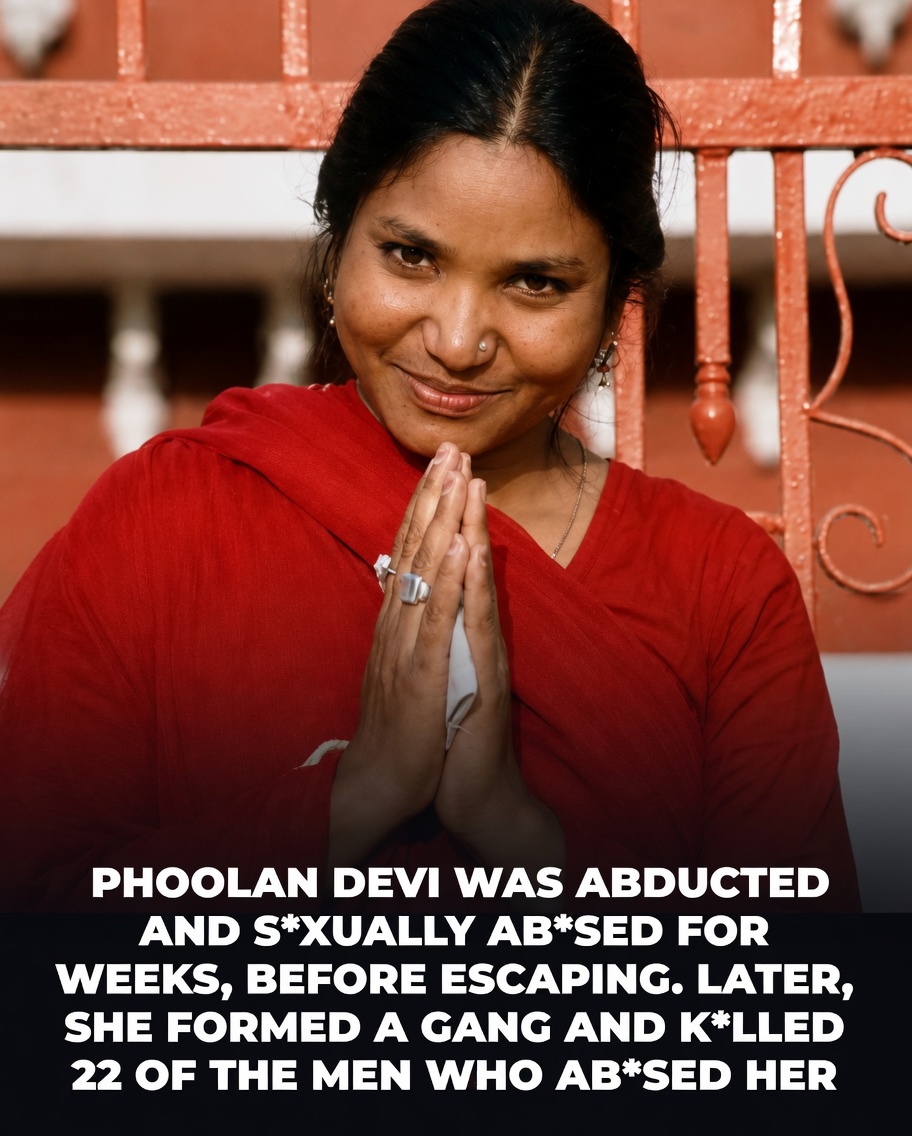
Phoolan Devi, one of India’s most legendary and controversial figures, became known as the “Bandit Queen” after enduring unimaginable hardship and later exacting brutal revenge on her abusers.
Born in 1963 into a poor lower-caste Mallah family in rural Uttar Pradesh, Devi was married off at the age of 11. Her early life was marked by poverty, caste-based discrimination, and domestic abuse. After fleeing an abusive marriage, she was abducted by a gang of dacoits (bandits) in the early 1980s and subjected to repeated sexual violence and captivity for weeks.
She eventually escaped and formed her own gang, rising to notoriety as its leader. In February 1981, Devi and her gang carried out the infamous Behmai massacre, gunning down 22 upper-caste Thakur men in the village of Behmai. She claimed the killings were revenge for the gang rapes and abuses she had suffered at the hands of men from that community.
In 1983, Phoolan Devi dramatically surrendered to the authorities in a high-profile ceremony, vowing to give up a life of crime. She spent 11 years in prison without a formal trial before being released in 1994. Following her release, she transformed her life, entering politics as a champion for the rights of lower-caste and marginalized communities. She was elected to India’s Parliament (Lok Sabha) in 1996 and again in 1999.
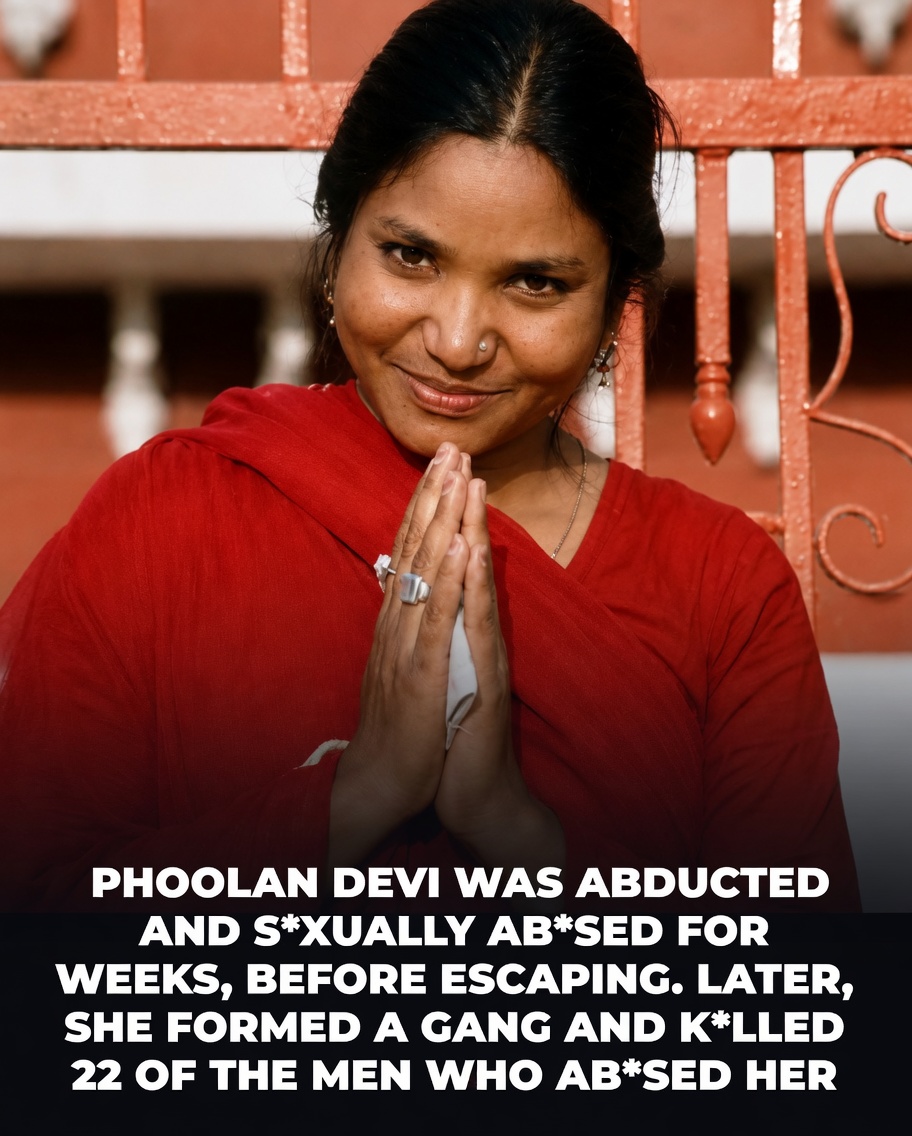
Her life came to a tragic end on July 25, 2001, when she was assassinated outside her home in New Delhi by three gunmen. The murder was widely believed to be an act of revenge linked to the Behmai massacre.
Devi’s story has inspired books, films (most notably the 1994 Bollywood film Bandit Queen directed by Shekhar Kapur), and documentaries. To her supporters, she remains a symbol of resistance against caste oppression and sexual violence. To her critics, she was a ruthless criminal. Her legacy continues to spark debate about justice, revenge, and the treatment of women from marginalized backgrounds in India.
Phoolan Devi’s life remains one of the most compelling true stories of survival, vengeance, and redemption in modern Indian history.