After Analyzing 300 kg of Antarctic Ice, Scientists Discover Something Extremely Strange Inside
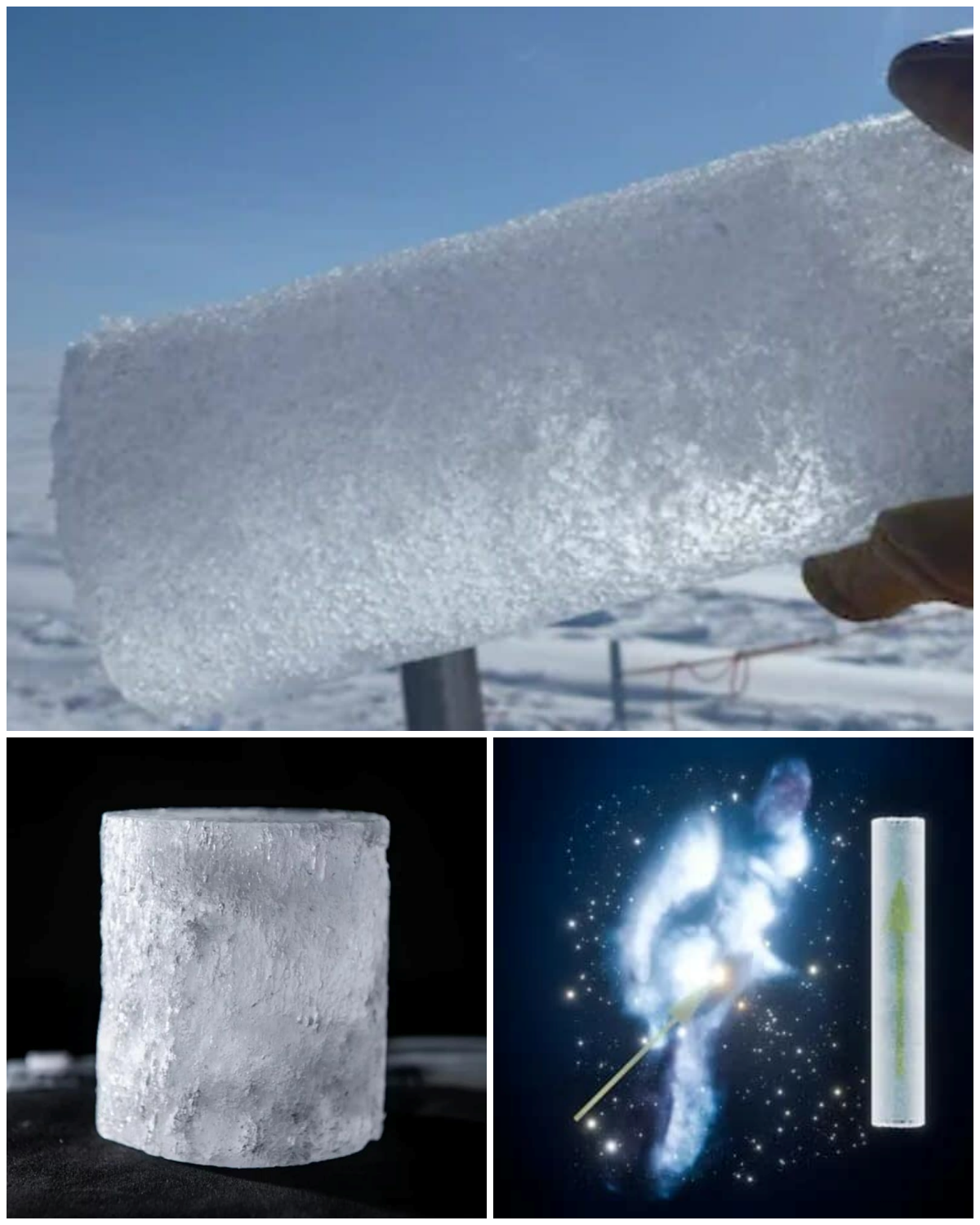
The most astonishing finding wasn’t something from Earth — it was ancient stardust from exploded stars, preserved deep within the frozen layers.
A Cosmic Fingerprint Trapped in Ice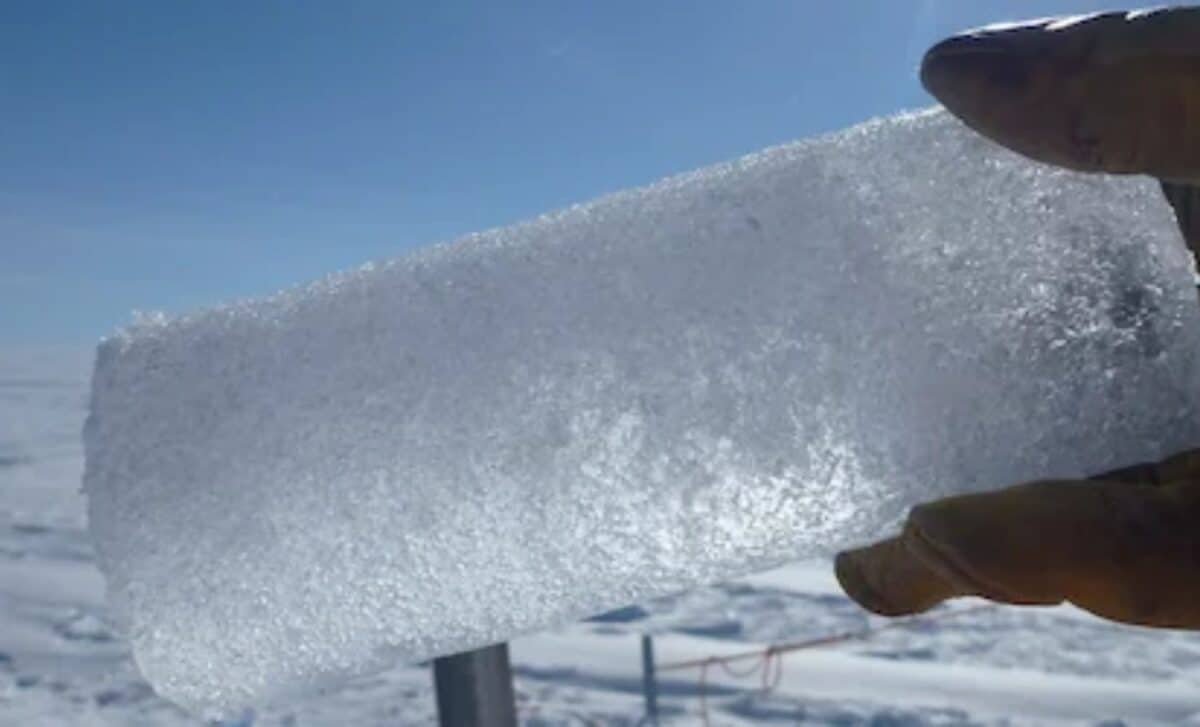
Antarctica, the coldest and most isolated continent on Earth, holds one of the purest records of our planet’s past. Its ancient ice layers act like a time capsule, preserving everything that has fallen from the sky for tens of thousands of years.
In a groundbreaking study, a team of scientists led by nuclear astrophysicist Dominik Koll from the Helmholtz-Zentrum Dresden-Rossendorf (HZDR) in Germany melted and analyzed more than 300 kilograms of Antarctic ice. What they discovered inside was not ordinary dust or minerals — but clear evidence of iron-60 (⁶⁰Fe), a rare radioactive isotope that can only be produced in massive supernova explosions.
Stardust from Exploding Stars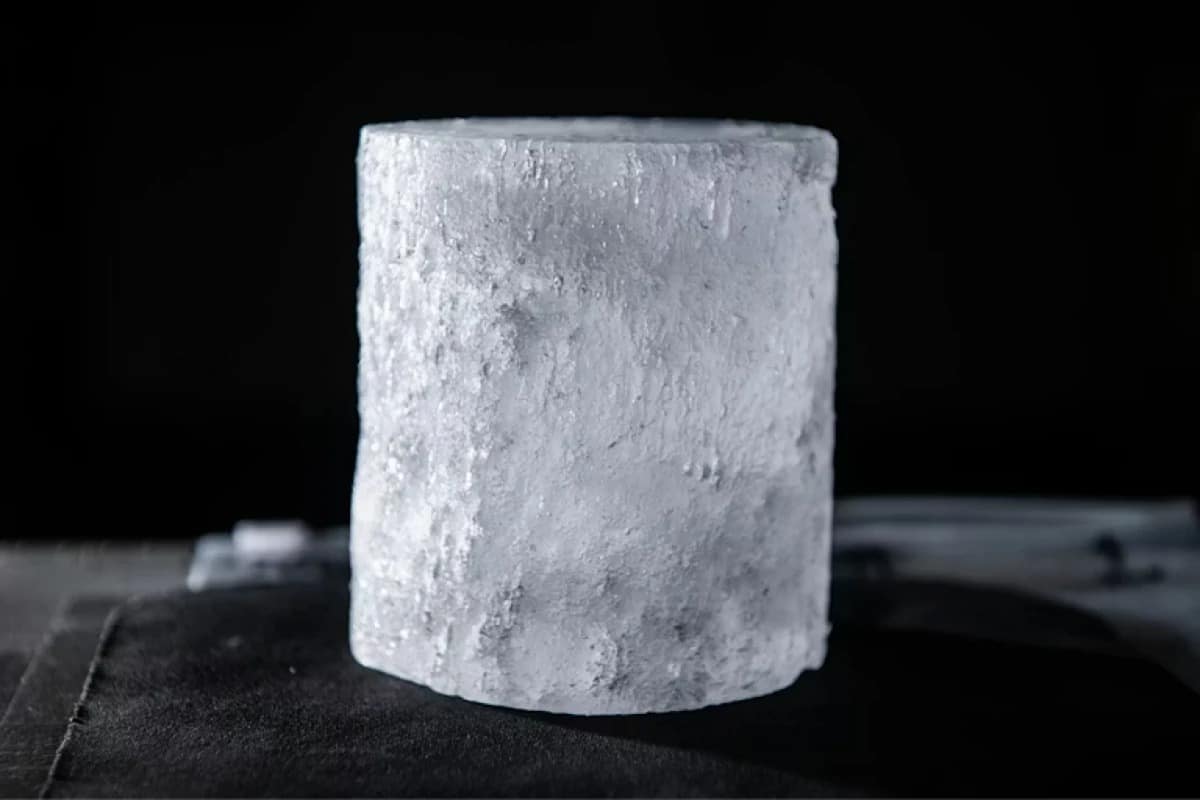
Iron-60 is a “cosmic fingerprint.” It is forged in the hearts of dying stars during supernova blasts and then hurled across interstellar space. With a half-life of about 2.6 million years, any iron-60 that existed when Earth formed 4.5 billion years ago has long since decayed. Therefore, any traces found today must have come from space relatively recently on a cosmic timescale.
The ice samples, dating from 40,000 to 80,000 years ago, revealed that Earth was passing through a cloud of debris left behind by ancient supernovae. This region, known as the Local Interstellar Cloud (sometimes called the “Local Fluff”), surrounds our solar system and contains gas, dust, and remnants from exploded stars.
Why This Discovery Is So Extraordinary
- The team used accelerator mass spectrometry — an extremely sensitive technique capable of detecting individual atoms — to isolate these incredibly rare iron-60 particles.
- This is one of the clearest records yet of our solar system’s journey through interstellar space.
- The discovery confirms that supernova material has been raining down on Earth for tens of thousands of years and continues to do so.
Dominik Koll explained: “We searched for individual atoms of the radioactive isotope ⁶⁰Fe. This isotope is the fingerprint of stars that have exploded.”
What It Means for Us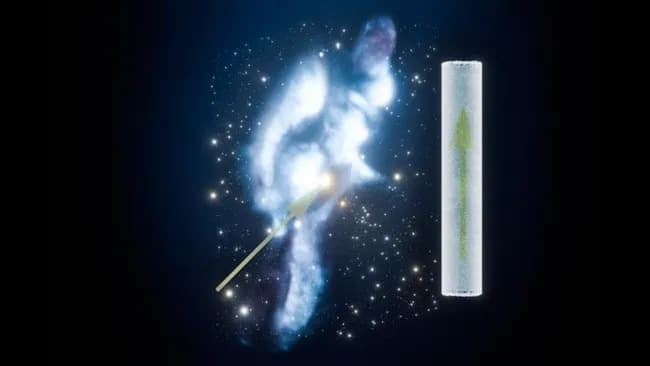
This finding doesn’t just tell us about distant stars — it tells us about our own cosmic neighborhood. Earth is currently moving deeper into this cloud of supernova debris. The presence of iron-60 in relatively young ice layers shows that our planet has been traveling through this “stardust” for a very long time.
What began as an analysis of Antarctic ice has become direct evidence that we are literally flying through the ashes of ancient exploded stars.
The pristine ice of Antarctica has once again proven to be one of humanity’s greatest scientific treasures — a frozen archive connecting our world to the violent, beautiful drama unfolding across the galaxy.