In 1871, a Farmer Left 5 Cows on a Deserted Island: 130 Years Later, Something Unexpected Happened
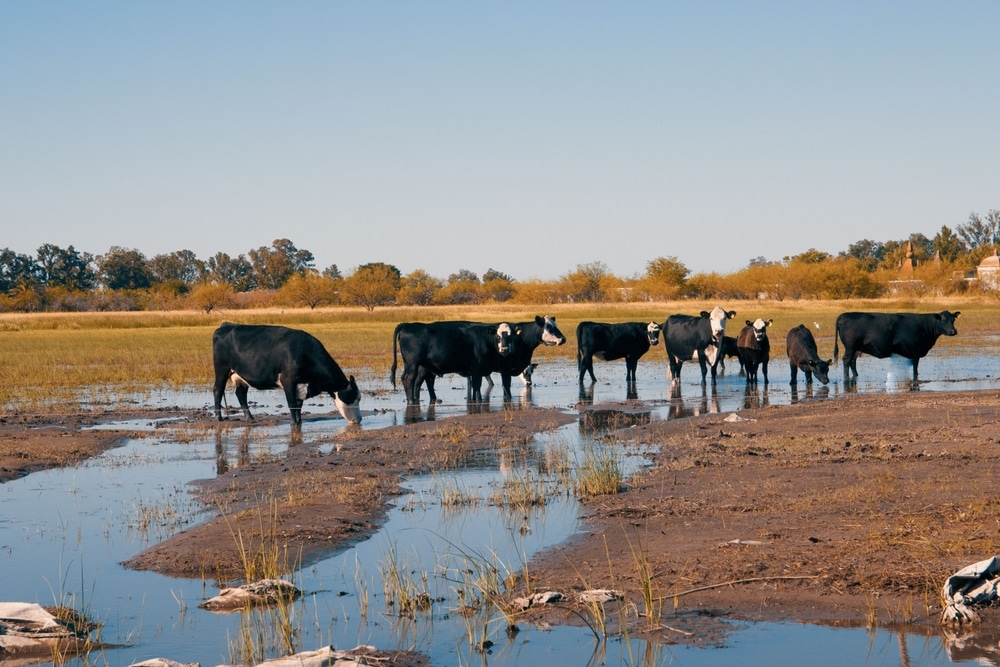
The most surprising discovery wasn’t that the cows survived — it was how they managed to thrive for over a century with such an impossibly small founding population.
The Forgotten Herd of Amsterdam Island
In 1871, a French farmer named Heurtin from Réunion attempted to settle on the remote and windswept Amsterdam Island, a small volcanic territory of France in the southern Indian Ocean. After just seven months, the harsh conditions forced the settlers to abandon the island. They left behind five cows.
No one expected these animals to last long in such a hostile environment: constant strong winds, limited freshwater, poor soil, and no human care. Yet against all odds, those five cows not only survived — they multiplied dramatically, growing into a feral herd of nearly 2,000 animals over the following decades.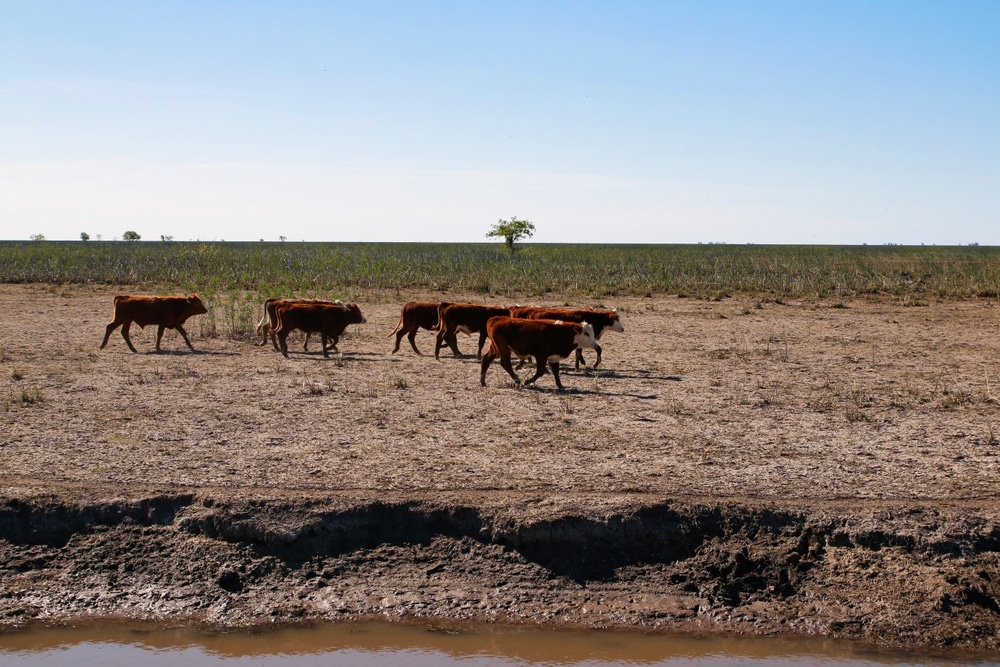
The Genetic Surprise
For a long time, scientists believed this population was a textbook example of the “island rule,” where large mammals tend to evolve smaller body sizes in isolated environments. Earlier studies even claimed the cattle had rapidly dwarfed, shrinking to about three-quarters of their original size within a century.
However, a groundbreaking new genetic study published in May 2026 in the journal Molecular Biology and Evolution completely overturned that assumption.
Led by geneticist Mathieu Gautier and his team from INRAE and the University of Liège, researchers analyzed preserved DNA samples from the island’s cattle (collected in 1992 and 2006). What they found was remarkable: the herd had two distinct ancestral origins.
- About 75% of their genetics came from European taurine cattle (similar to modern Jersey cows), well-suited to cooler, wetter, and windy conditions.
- The remaining 25% came from Indian zebu cattle, which are more heat-tolerant and linked to livestock from Madagascar or nearby regions.
This unexpected hybrid ancestry gave the small founding group a significant boost in genetic diversity right from the start. The mixed heritage provided the resilience needed to endure the island’s extreme weather, scarce resources, and isolation.
A Remarkable Story of Survival
The Amsterdam Island cattle became one of the rarest and most isolated feral cattle populations in the world. They adapted remarkably well, reshaping parts of the island’s ecosystem in the process. Unfortunately, by the late 20th century, their large numbers began damaging the breeding grounds of endangered seabirds, such as the Amsterdam albatross. In 2010, the entire herd was culled to protect the island’s unique biodiversity.
What began as a simple case of abandoned livestock turned into a powerful real-world lesson in genetics, adaptation, and survival. The 2026 DNA study revealed that even with just five founders, hybrid vigor and the right mix of ancestral traits can defy expectations and sustain life in one of the planet’s most unforgiving places.