Fulani Militants Named Nigeria’s Deadliest Threat to Christians as Violence Surges
Johannesburg — A new report by the U.S. Commission on International Religious Freedom (USCIRF) has identified armed Fulani militants as the leading cause of deaths among religious communities in Nigeria over the past year, surpassing even Boko Haram and ISIS-affiliated groups.
The report estimates that approximately 30,000 mostly Muslim Fulani militants are operating across Nigeria in loosely organized groups ranging from 10 to 1,000 fighters. These militants have primarily targeted Christian farming communities in the Middle Belt and southern regions, burning homes and churches, kidnapping, raping, and murdering residents.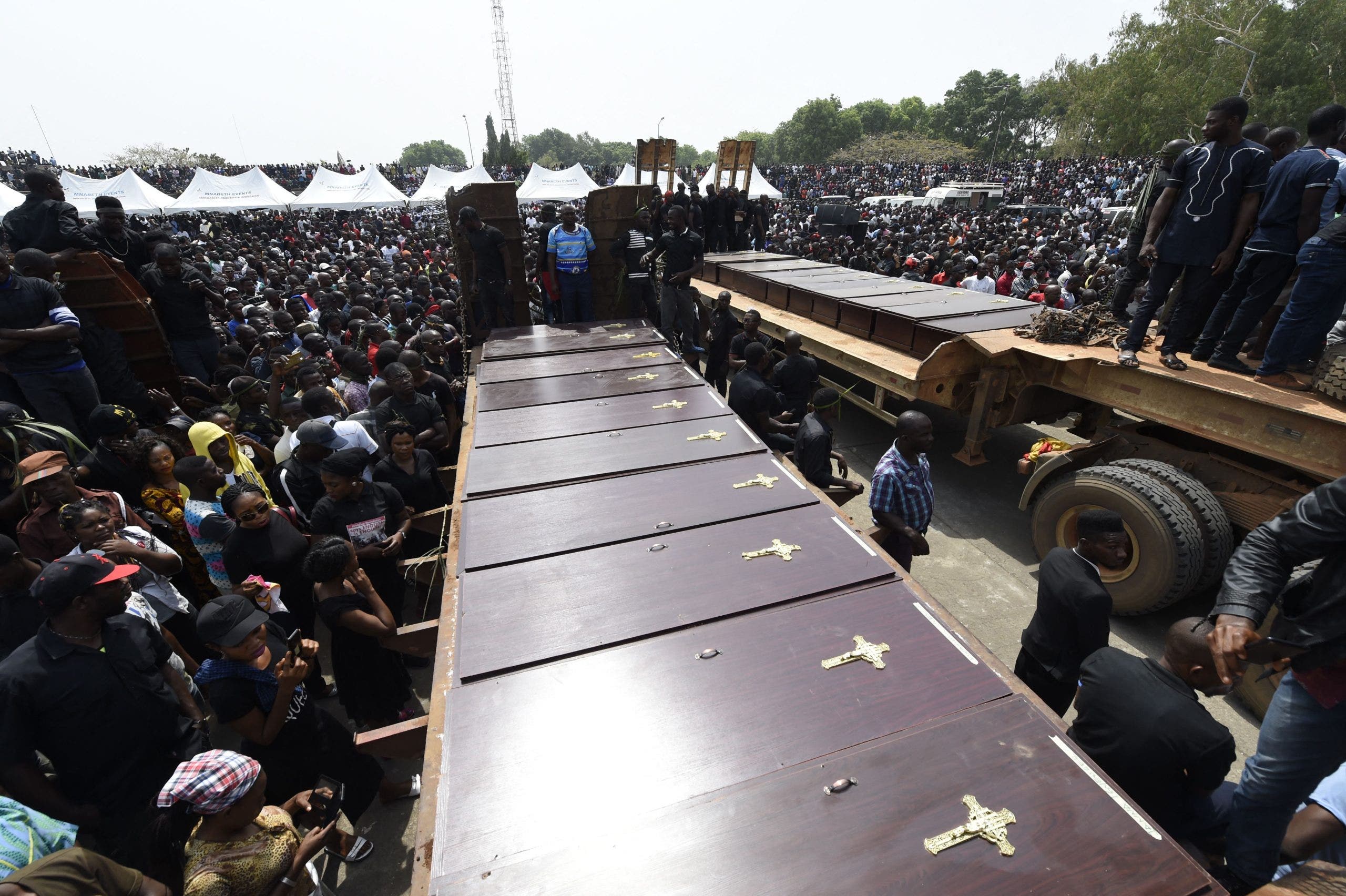
“Violence by Fulani militants caused the highest number of deaths among all religious communities in Nigeria over the last year,” the USCIRF report states, “as compared to attacks by organized insurgent groups and criminal gangs.”
Attacks are often timed to coincide with major Christian holidays such as Christmas and Easter to maximize psychological impact. Assailants have reportedly shouted religious slogans like “Allahu Akbar” during raids. While Christians are disproportionately affected, the report notes that some Muslim communities have also been targeted.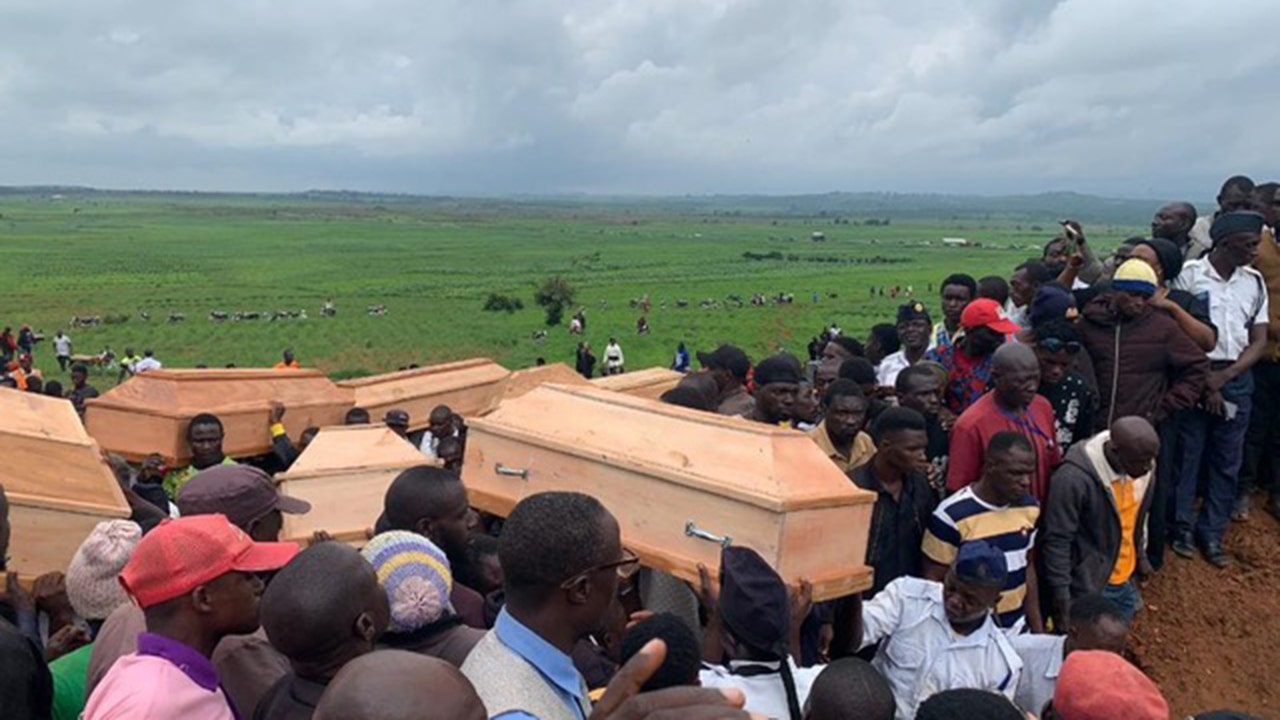
Henrietta Blyth, CEO of Open Doors UK & Ireland, expressed deep concern over the violence:
“My heart has been broken as I have heard stories from women and men who have seen their beloved family members butchered in front of them or carried off into a life of slavery.”
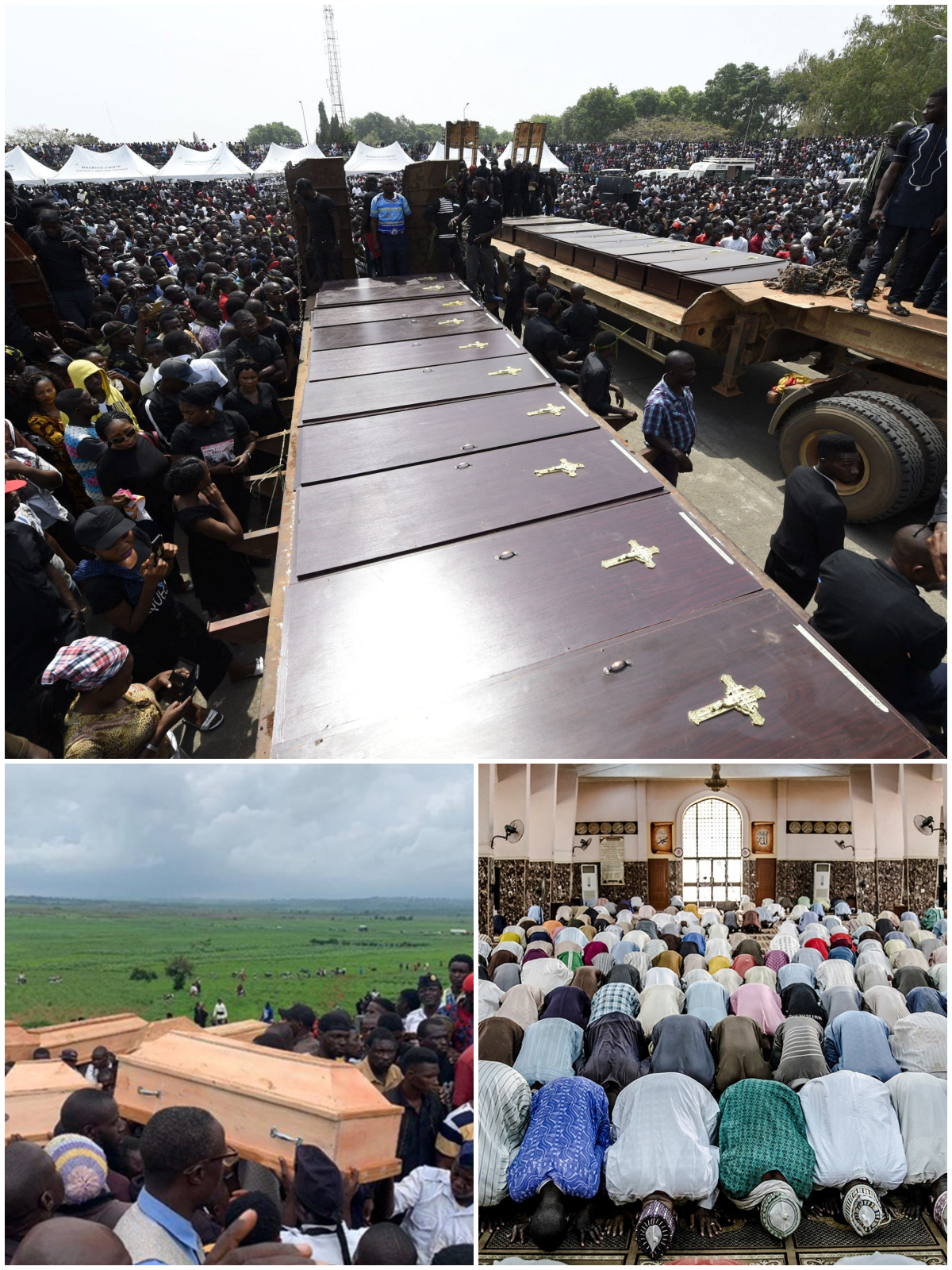
The ongoing crisis has displaced hundreds of thousands and left entire villages devastated, as seen in large-scale funerals for victims in states like Plateau and Benue.
Critics have accused Nigerian federal and state authorities of inadequate responses, with some describing them as “unsatisfactory at best and complicit at worst.” Experts warn that political considerations, including the Fulani’s influence as a voting bloc, complicate efforts to address the violence.
The situation remains highly complex, involving ethnic tensions, competition over land and resources between herders and farmers, and religious dimensions. However, the vulnerability of Christian communities is undeniable, with many calling for greater protection and international attention.