Giant Nagatitan: SE Asia’s Largest Sauropod Discovered in Thailand!
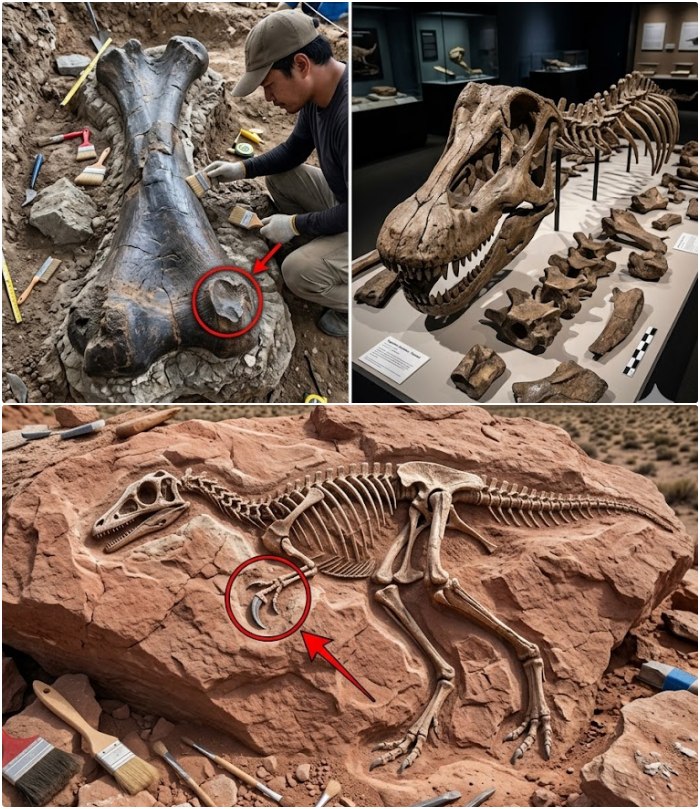
Giant Nagatitan: Southeast Asia’s Largest Known Sauropod Discovered in Thailand
Paleontologists have identified a new species of giant titanosaur from Thailand’s Khorat Plateau, marking a major discovery in the region’s dinosaur fossil record.
The newly named Nagatitan chaiyaphumensis is estimated to have exceeded 25 meters (82 feet) in length — with some estimates reaching up to 27 meters — making it the largest dinosaur ever found in Southeast Asia. Fossils including colossal vertebrae, femurs, ribs, and other skeletal elements were recovered from the Early Cretaceous Khok Kruat Formation in Chaiyaphum Province.
These massive bones significantly surpass previous sauropod finds in the region, confirming that Southeast Asia was once home to true giant long-necked dinosaurs during the Early Cretaceous period, roughly 100–120 million years ago.
The discovery highlights the growing importance of Thailand’s fossil sites in understanding the evolution and distribution of titanosaurs across Asia. While South America is famous for some of the largest sauropods in history, this find adds weight to the idea that Asia also supported enormous herbivorous dinosaurs, potentially rivaling other continents in terms of maximum body size.
Researchers suggest that even larger specimens may still lie undiscovered in the rich rock formations of the Khorat Plateau. Further study of Nagatitan is expected to provide valuable insights into the ecology and evolutionary history of Southeast Asian dinosaurs.