A CASE THAT HAUNTED DALLAS FOR YEARS FINALLY REACHED ITS END.”
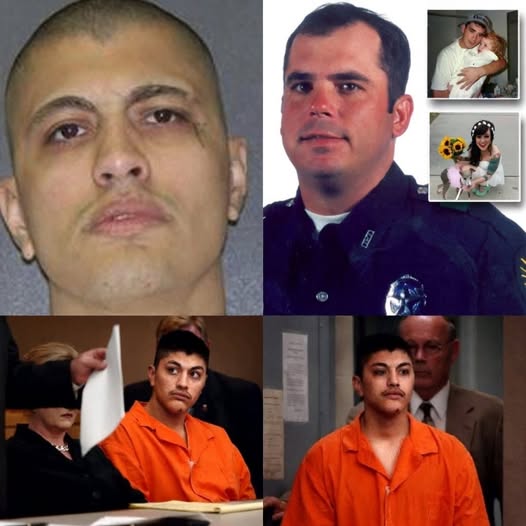
A CASE THAT HAUNTED DALLAS FOR YEARS FINALLY REACHED ITS END
DALLAS, Texas — More than a decade after the brutal shooting of two Dallas police officers outside a crowded nightclub, the case that shook the city and the law enforcement community has reached its final resolution, bringing a measure of closure to the families, colleagues, and residents affected by the tragedy.
On November 25, 2001, shortly after 2:45 a.m., Senior Corporal Clarence Lockett and Officer Christopher Kevin James were working an off-duty security assignment at Club DMX on Spangler Road in northwest Dallas. The officers intervened to break up a fight in the parking lot when 19-year-old Licho Escamilla opened fire.
Officer James, 29, a newlywed who had joined the Dallas Police Department in 1995, was struck multiple times, including three fatal shots to the head. He died at the scene. Senior Corporal Lockett was wounded in the wrist/forearm but survived. Other officers pursued Escamilla, exchanging gunfire before apprehending him.
The Long Road to Justice
Escamilla was convicted of capital murder in 2002 and sentenced to death. His case involved years of appeals and legal proceedings, keeping the tragedy in the public eye and symbolizing the dangers faced by police officers.
On October 14, 2015, after more than 13 years on death row, Licho Escamilla was executed by lethal injection in Huntsville, Texas, officially closing one of Dallas’s most painful law-enforcement cases.
Remembering Officer James
Officer Christopher Kevin James, affectionately known as “KJ,” left behind his wife Lori, an 8-year-old daughter, and many colleagues who remembered him as a dedicated officer and community servant. He had received numerous commendations and had previously saved a fellow officer’s life in the line of duty.
The Kevin James Endowment Fund was established in his honor to support the Dallas Police Association’s Assist the Officer Foundation, continuing his legacy of service.
This case continues to spark important conversations about public safety, the risks law enforcement officers face daily, and the profound, lasting impact of violence on families and communities.