YOUTH BASEBALL SAFETY DEBATE GROWS AFTER XAVIER TAYLOR’S MEDICAL EMERGENCY
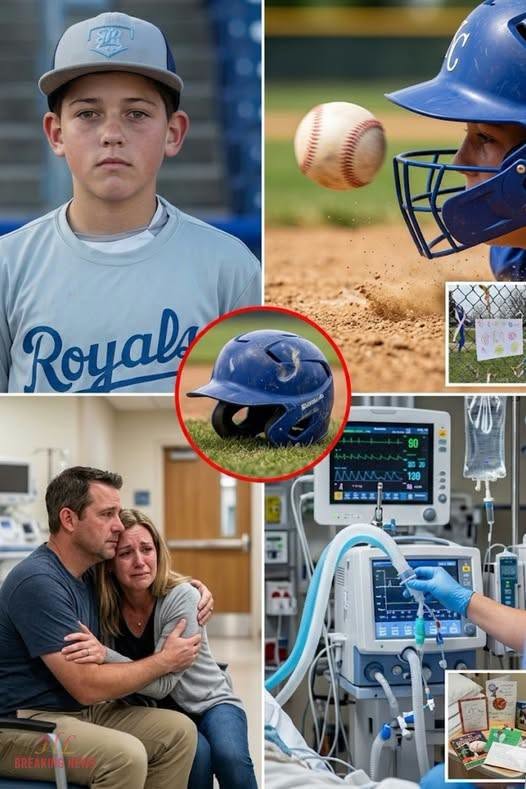
YOUTH BASEBALL SAFETY DEBATE GROWS AFTER XAVIER TAYLOR’S MEDICAL EMERGENCY
A heartbreaking accident involving 12-year-old Xavier Taylor has reignited a nationwide conversation about safety in youth sports and whether additional protective equipment should become standard for young athletes.
Xavier remains in critical condition after being struck in the chest by a baseball during warmups. According to reports, the impact triggered cardiac arrest, a rare but recognized medical phenomenon known as commotio cordis.
Quick action from those on the field may have saved his life.
Witnesses say CPR was started almost immediately, and emergency responders worked rapidly to restore a heartbeat before Xavier was transported for advanced medical care.
Now, as his family maintains a vigil at his bedside, parents, coaches, and medical experts are debating whether tragedies like this can be prevented.
Commotio cordis occurs when a sudden blow to the chest strikes at an extremely precise moment in the heart’s electrical cycle, disrupting its rhythm and causing cardiac arrest. Although rare, it has been documented in baseball, softball, hockey, lacrosse, and other sports involving projectiles.
In the wake of Xavier’s injury, many parents are calling for mandatory chest protectors across youth leagues, arguing that even a small reduction in risk is worth pursuing.
Others point out that no protective equipment can completely eliminate the danger, particularly in cases involving the specific timing that makes commotio cordis so uncommon and unpredictable.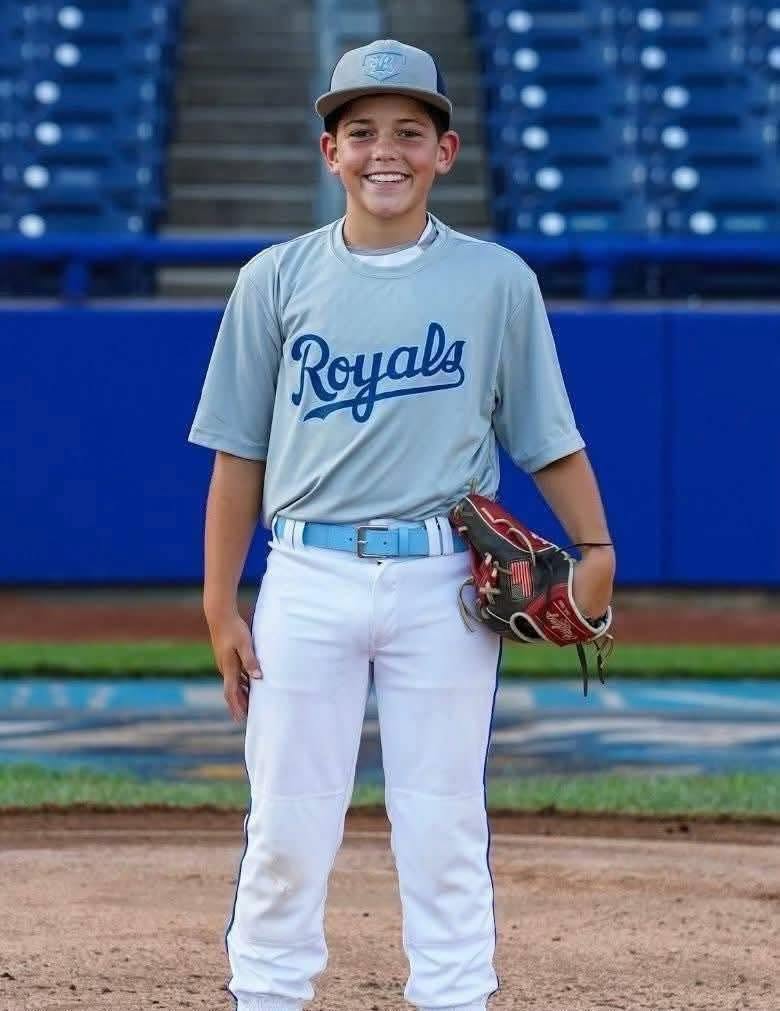
Medical researchers continue to study whether modern chest protectors significantly reduce the risk of these incidents, while sports organizations regularly review equipment standards and emergency preparedness protocols.
One point of broad agreement has emerged from the discussion: rapid access to CPR training and automated external defibrillators (AEDs) remains one of the most important factors in improving survival after sudden cardiac arrest.
As Xavier continues his fight, communities across the country have rallied around his family with prayers, tributes, and messages of support.
For many parents watching from the sidelines, the tragedy serves as a powerful reminder of how quickly an ordinary practice session can turn into a life-or-death emergency.
And as the debate over youth sports safety intensifies, one question continues to resonate:
What more can be done to protect young athletes while preserving the games they love?