A baby placed in a home for safety became the center of one of Britain’s most disturbing child-protection failures, and now the questions around Preston Davey’s death are growing even louder.
A baby placed in a home for safety became the center of one of Britain’s most disturbing child-protection failures, and now the questions around Preston Davey’s death are growing even louder.
As of July 1, 2026, the Preston Davey case remains in the news not because the court process is unfinished, but because the public focus has now shifted to a bigger question: how did a 13-month-old baby, known to professionals and placed through the adoption system, end up dying in the care of the people approved to protect him?
Preston Davey died on July 27, 2023, after being placed with Jamie Varley, a former teacher, and John McGowan-Fazakerley, his partner, as part of an adoption process. In June 2026, Varley was sentenced to a whole-life order, meaning he will never be released from prison. McGowan-Fazakerley was sentenced to 25 years. The Guardian reported that Preston had suffered around 40 traumatic injuries, and that medical evidence contradicted Varley’s original claim that the baby had died after a bath accident. Instead, the cause of death was given as acute upper airway obstruction.
One of the most shocking elements of the case was the role of phone evidence. Investigators found photos and videos that became central to the prosecution. That is why many online thumbnails and crime-news posts refer to the phrase “He filmed it.” The phone evidence helped expose what had been happening behind the image of a normal adoptive household.
The latest development is not a new trial, but a continuing public fallout. On June 30, 2026, The Sun reported that the five-bedroom home later bought by Varley and McGowan-Fazakerley in Grimsargh, Lancashire, had gone back on the market at a reduced guide price of £370,000. The report said the couple bought the property in August 2023, just weeks after Preston’s death, while the investigation was still ongoing. Some property listings reportedly disclosed that the vendor was serving a custodial sentence.
But the more important update is the safeguarding review. A child safeguarding practice review connected to Preston’s case had been paused while criminal proceedings were underway. After the convictions and sentencing, that review has resumed. It is expected to examine the decisions made by agencies involved in Preston’s welfare before his death, including social care, health professionals, and adoption services. 
The case has also increased scrutiny on Oldham Council’s children’s services. The Times reported that Oldham social services had already faced criticism in another child-protection case, where dozens of referrals about another child were allegedly not properly acted upon. The same report noted that Preston was one of several children known to Oldham services who died or were seriously harmed over a 19-month period.
For many readers, this is the part of the story that feels hardest to accept. Preston was not hidden from every professional system. He had been seen by doctors, social workers, and other professionals before his death. The Guardian reported that he had been taken to hospital several times, including once with a broken arm, yet he was returned to the care of the couple each time.
That has led to growing public anger over possible missed warning signs. The Children’s Commissioner for England, Rachel de Souza, described the case as a major safeguarding failure and raised questions about whether Varley’s professional background as a teacher affected how he was perceived by those responsible for checking on Preston’s safety. 
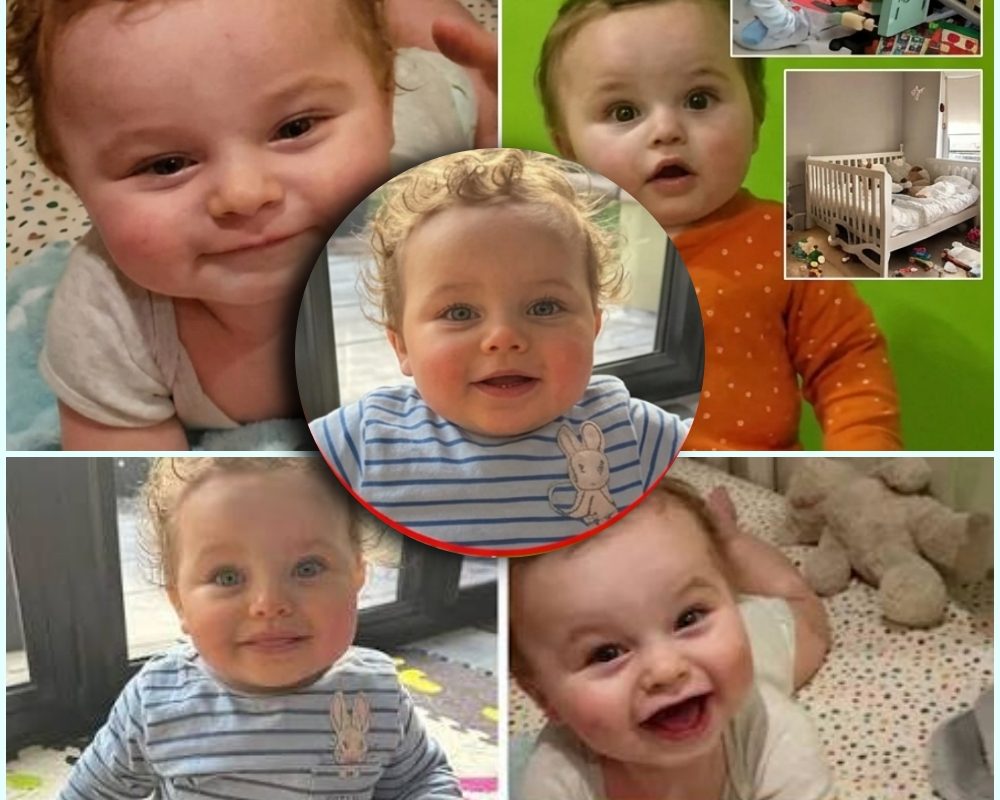
For Preston’s family and former foster carers, the case is not only about court sentences. It is about a child who had once been described as happy, joyful, and full of life. His foster carers remembered him as a smiling baby whose face lit up when they looked at him. Those memories now stand in painful contrast to the final months of his life.
There have also been tabloid reports about Varley’s prison situation, including claims that he was moved to a high-security prison and was fearful behind bars. These reports have not been confirmed in the same way as the court record, so they should be treated carefully. The confirmed legal position remains clear: Varley is serving a whole-life order, and McGowan-Fazakerley is serving a 25-year sentence.
The biggest unanswered question now is not whether the two men were punished. They were. The question is whether Preston’s death could have been prevented.
That is why the safeguarding review matters. If it finds missed opportunities, weak checks, poor communication, or professional assumptions that allowed danger to go unnoticed, the case could lead to broader pressure for change in adoption follow-up procedures and child-protection practice.
Preston Davey’s story is heartbreaking because it began with a promise of safety. He was placed in a home meant to give him stability and protection. Instead, the system now has to explain how that promise failed so completely.
“He was placed there to be protected. Now Britain is asking how so many warning signs were missed before baby Preston Davey died.”