Miracle on Mount Shasta: Novice Climber, 31, Survi…
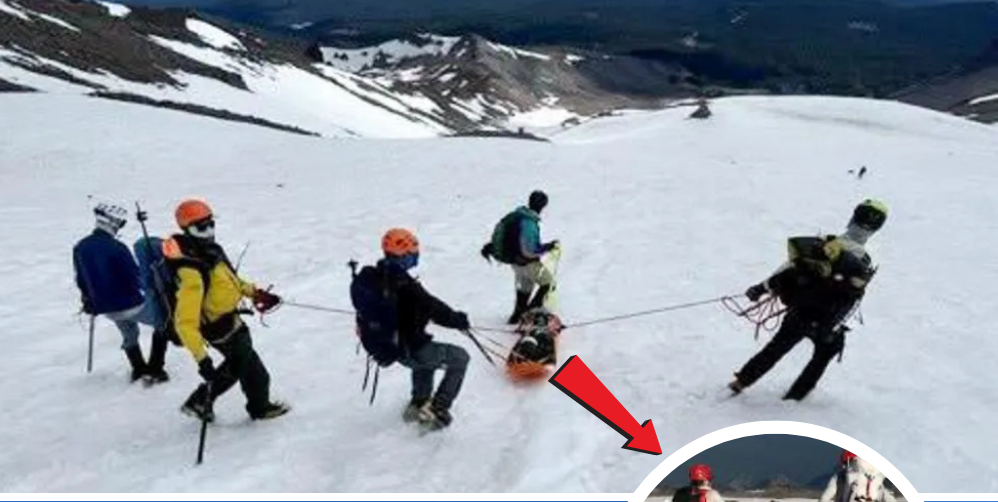
The dramatic incident occurred on Sunday afternoon as the woman, part of a group of three inexperienced climbers, attempted the Left of Heart variation of the Avalanche Gulch route. At approximately 13,000 feet, she lost her footing and tumbled violently down the steep, icy terrain, coming to rest around 11,500 feet. The fall covered a massive vertical distance that would typically prove fatal, yet rescuers were astonished to find her not only alive but conscious and reportedly in good spirits.
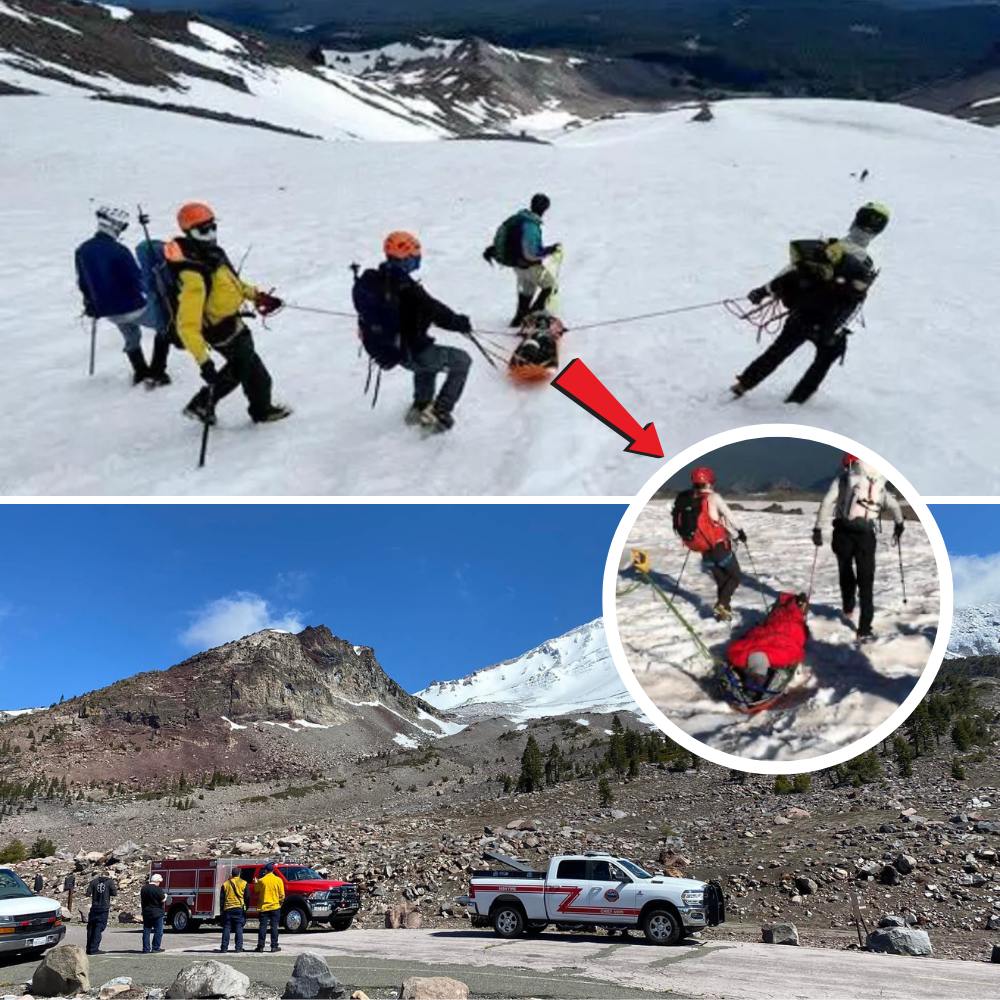
Mount Shasta, a towering 14,179-foot stratovolcano in Northern California, attracts thousands of climbers each year, many of them relative beginners drawn to its challenging but accessible routes. Avalanche Gulch is especially popular due to its direct path to the summit, but it is also notorious for rapidly changing conditions, steep snow and ice fields, and hidden hazards that can catch even prepared adventurers off guard.
Lead Climbing Ranger Nick Meyers and a team of U.S. Forest Service rangers responded quickly after being alerted around noon. Low cloud cover complicated the operation, preventing a helicopter from reaching the victim directly. Rangers had to hike in on foot, aided by one of the woman’s climbing partners who descended to fetch rescue equipment and a helpful passerby who stayed to assist throughout the effort.
 Despite the horrifying plunge across rocky and icy slopes, the survivor suffered a suspected broken right ankle and additional injuries consistent with such a high-impact fall. Remarkably, she remained alert and cooperative as rescuers stabilized her on the mountainside. The team carefully packaged her into a rescue litter and lowered her down to Lake Helen, where a California Highway Patrol helicopter was finally able to hoist her out around 5:30 p.m. and transport her to Mercy Medical Center Mount Shasta for treatment.
This latest rescue highlights ongoing safety concerns on Mount Shasta. Officials frequently remind climbers that the mountain’s conditions can shift in minutes — from bright sunshine to whiteout blizzards — and stress the importance of proper gear, including crampons, ice axes, helmets, and experienced partners. Many incidents involve novices underestimating the technical demands of high-altitude snow travel, where a single slip can lead to uncontrollable slides.
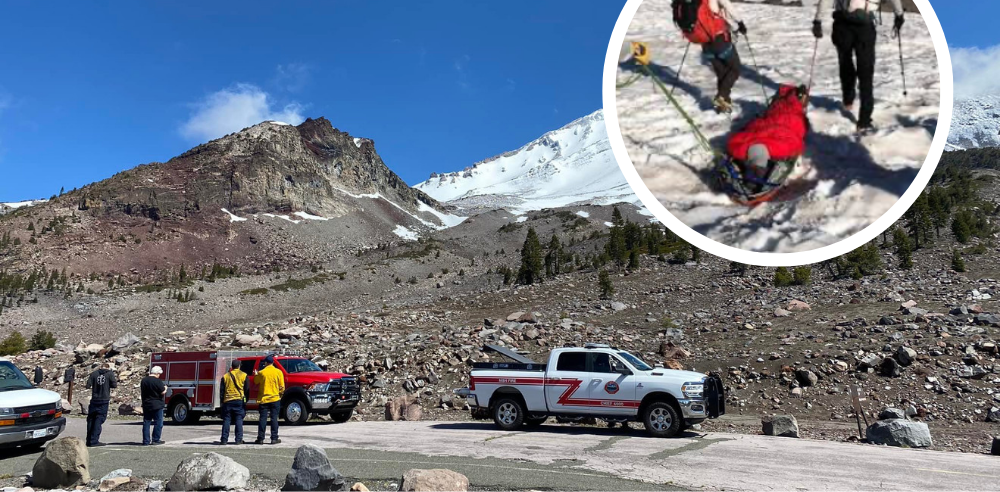
The woman’s survival is being described as nothing short of miraculous by those familiar with the mountain’s history. Falls of this magnitude often result in catastrophic injuries or worse, yet her outcome serves as both a cautionary tale and an inspiring story of human resilience. While details about her identity and exact circumstances leading to the slip remain private, the event underscores a critical message from the U.S. Forest Service: preparation, realistic self-assessment, and respect for the mountain’s power are essential for anyone venturing onto its slopes.
As rescue teams continue to manage multiple incidents each season, this remarkable escape will likely fuel fresh conversations about climber education and safety protocols on one of America’s most iconic peaks.