What began as a raw public demand for answers in the death of 17-year-old Louis Hervé has now become a far more complicated national debate, after members of his family warned against political exploitation while thousands continued to rally under the slogan “Justice for Louis.”
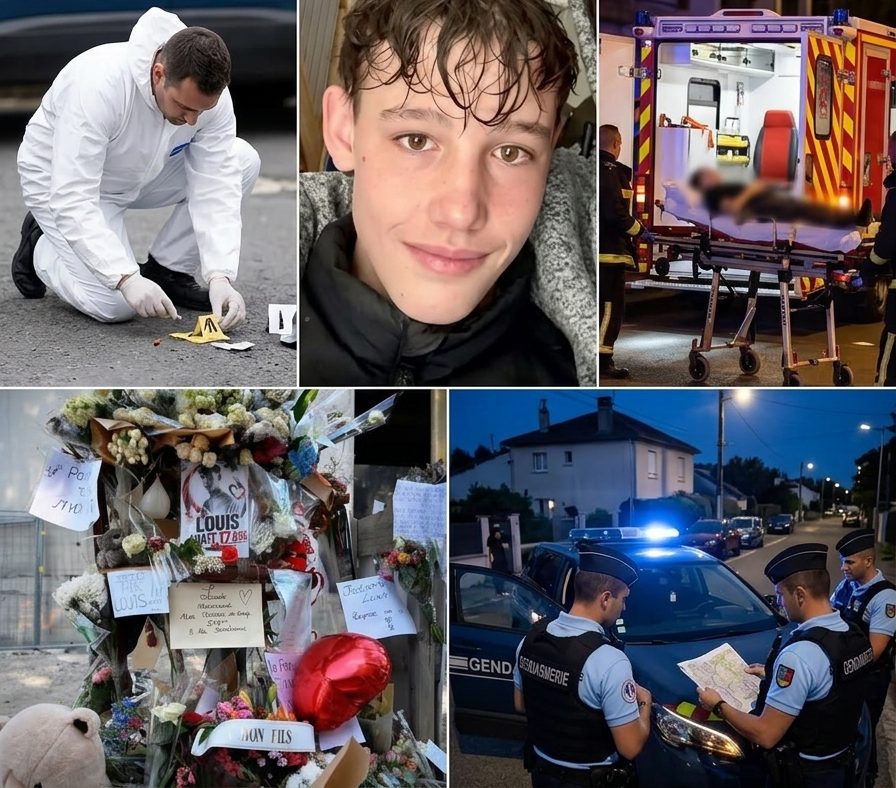

Justice for Louis: Family Statement Turns a National Cry for Justice Into a Debate Over Grief, Politics, and Respect
What began as a raw public demand for answers in the death of 17-year-old Louis Hervé has now become a far more complicated national debate, after members of his family warned against political exploitation while thousands continued to rally under the slogan “Justice for Louis.”
The “Justice for Louis” campaign is facing renewed backlash in France after statements from Louis Hervé’s relatives pushed the movement into a difficult public question: how can a grieving family seek justice without seeing a young man’s name transformed into a political symbol? Louis, 17, died on June 23, 2026, four days after prosecutors say he was lured to a construction site in Narbonne and violently attacked. Five young suspects have been placed under formal investigation and remain in pre-trial detention as investigators work to clarify the motive and the role of each person involved. (International Business Times UK)
The latest confirmed update came from La Dépêche du Midi on July 10, which reported that autopsy results showed severe injuries to Louis’ head and face. According to the report, Louis had been taken to hospital in critical condition, underwent treatment for brain swelling in Perpignan, and later died from his injuries. Investigators say the incident was filmed and shared online, a factor that helped identify the alleged perpetrators quickly. (ladepeche.fr)
Public anger grew rapidly after the case became known. Early gatherings in Narbonne drew large crowds, but controversy followed when some demonstrations were promoted by nationalist and far-right groups. IBTimes UK reported that Louis’ relatives condemned what they described as political exploitation of his death and said they did not want the case used to advance political causes. French Interior Minister Laurent Nuñez also criticized attempts by far-right organizations to use the tragedy politically and urged that the judicial investigation be allowed to proceed. (International Business Times UK)
That family statement is now at the heart of the backlash. Supporters of the “Justice for Louis” slogan argue that public pressure is necessary so the case is not forgotten. Critics, however, say the campaign risks crossing a line when grief becomes a platform for political messaging. The tension deepened because the family’s position has appeared emotionally complex: some relatives distanced themselves from earlier demonstrations, while other family members later helped organize or support public tributes demanding accountability. La Dépêche reported that a July 5 march in Narbonne was organized at the initiative of one of Louis’ aunts, after an earlier march on June 28 had been organized by far-right activists and not supported by the family. (ladepeche.fr)
The July 5 event became one of the largest public tributes in the case. Reports said thousands joined the march in Narbonne, walking from the city center toward the construction site where Louis had been found. The event was emotional, but it also carried political weight, with several right-wing and far-right figures present. TV5Monde described the Narbonne march as both a white march for Louis and a call for tougher judicial responses, showing how quickly the case has moved beyond local mourning into a national argument about youth violence and sentencing. (information.tv5monde.com)
Le Parisien reported that a separate march in Carcassonne was led by Louis’ father, Nicolas Hervé, who spoke publicly about his grief and said he wanted to fight so his son would never be forgotten. The same report noted that the maternal side of the family issued a statement calling for the strongest penalties available under the criminal code and rejecting leniency based on age. This has fueled debate over France’s juvenile justice rules, especially because three of the five suspects are minors. (leparisien.fr)
At the same time, prosecutors have urged caution against misinformation. Le Parisien reported that the Narbonne prosecutor said the motive remained unknown and that, at that stage, there was no established racial motive. Le Dauphiné Libéré also reported that investigators were still examining the precise motive, while noting a possible personal dispute as one lead. This point matters because online claims about the case have spread quickly, often before official information was confirmed. (leparisien.fr)
Louis’ personal background has also become part of the wider discussion. His father told French media that Louis was a kind boy who loved music and fishing. He had been placed under a provisional child welfare arrangement, and relatives said he had faced serious personal difficulties. La Dépêche reported that Louis had signaled earlier incidents before the fatal attack, including one visit to gendarmes on June 12, but did not proceed with a formal complaint despite encouragement from officers. (leparisien.fr)
That detail has opened another debate: whether public institutions missed warning signs. Some commentators focus on criminal accountability, while others point to child welfare pressures, youth violence, and the difficulty of protecting vulnerable teenagers. Ground News summarized coverage from multiple outlets and noted that the story has drawn reporting from across the political spectrum, reflecting how widely the case has been discussed in France and beyond. (Ground News)
For Louis’ family, however, the core message remains painfully human. They want justice through the courts, respect for Louis’ memory, and an end to misinformation or political use of his name. The backlash against the “Justice for Louis” campaign does not mean the public has stopped caring. Instead, it shows that the slogan now carries two meanings: a demand for accountability and a warning about how easily grief can be taken over by forces far beyond one family’s control.
Sources used: La Dépêche du Midi, Le Parisien, Le Dauphiné Libéré, IBTimes UK, TV5Monde, Ground News.