BREAKING UPDATE: “Justice for Louis” Campaign Faces Backlash After Statement From Louis Hervé’s Family

BREAKING UPDATE: “Justice for Louis” Campaign Faces Backlash After Statement From Louis Hervé’s Family
The backlash around “Justice for Louis” is no longer only about the demand for justice itself, but about who has the right to speak in Louis Hervé’s name, and whether a family’s grief is being transformed into politics, publicity, or profit.
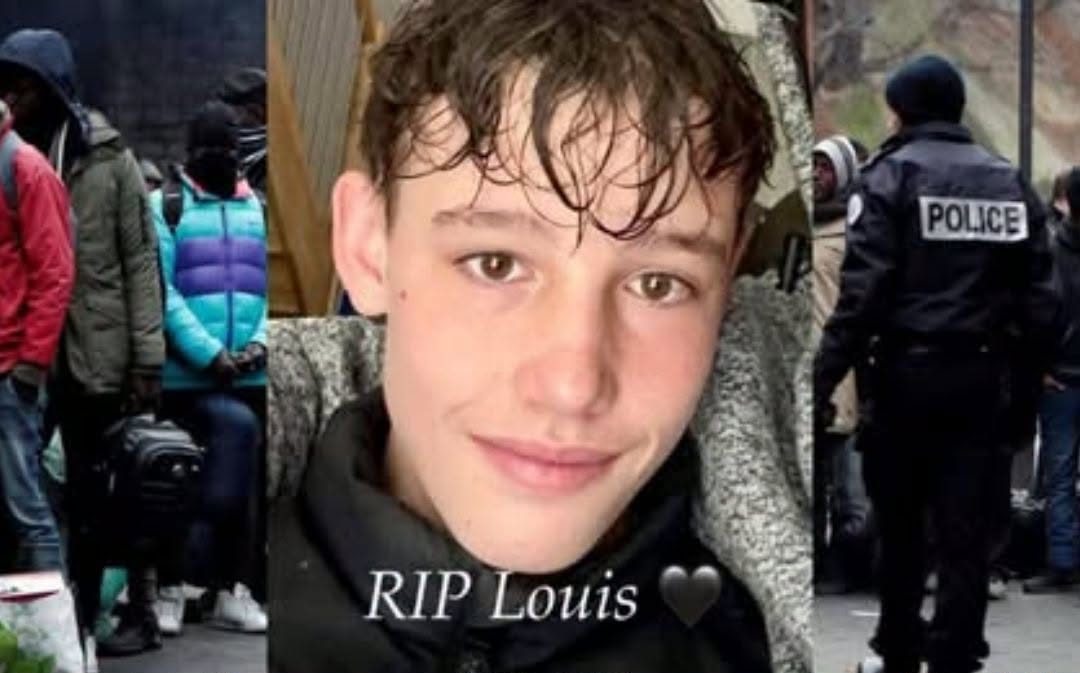
The “Justice for Louis” campaign has entered a more sensitive phase in France after statements from Louis Hervé’s family sharply reframed the public conversation. Louis, a 17-year-old from Narbonne, died on June 23, 2026, after being found critically injured at a construction site in Narbonne on June 20, following what prosecutors described as a planned ambush the previous evening. Five young suspects, aged between 16 and 19, have been placed under formal investigation and held in pretrial detention. The most recent update reported by La Dépêche says autopsy findings confirmed the extreme violence of the blows, including serious head injuries; investigators are still working to clarify motive and responsibility. (ladepeche.fr)
The backlash intensified because the family’s message did not simply call for punishment. It also demanded dignity, truth, and restraint. In a July 3 statement shared through lawyer Louis Cailliez, Louis’s maternal family described what they called a “spiral” of harassment and violence, said Louis had been placed in an ASE child-welfare home in Narbonne on April 24, and stated that they were placing their trust in the investigating magistrate to shed full light on a tragedy they believe was avoidable. The same statement thanked some educators and investigators, while also warning that possible institutional responsibilities should not be overlooked. (leparisien.fr)
That statement landed in the middle of an already charged public movement. Under the slogan “Justice pour Louis,” marches were organized in Carcassonne and Narbonne. A July 4 AFP report carried by Boursorama said around 500 people joined a Carcassonne march called by Louis’s father, Nicolas Hervé, with chants including “Justice for Louis” and “Ni oubli, ni pardon.” The same report noted that the family maternelle had not wished to associate with an earlier Narbonne gathering in order to avoid “political exploitation.” (Boursorama)
The following day, the Narbonne march drew a much larger crowd. AFP reported that around 4,500 people took part on July 5, many dressed in white, walking from city hall to the site where Louis had been found. But the tone was described as “very political”: far-right figures including Éric Zemmour and Marion Maréchal were present, and police estimated about 400 identitarian activists were in the crowd. AFP also reported chants such as “Justice pour Louis” and other politically loaded slogans, adding fuel to accusations that the teenager’s memory was being folded into a broader political battle. (Boursorama)
The family’s position has been nuanced, which is why the backlash is complicated. Louis’s mother’s statement, reported by Actu17, called for people to “gather” rather than “divide” and said the march should be open to citizens and to politicians who genuinely wanted to address youth violence and impunity with concrete answers, not empty declarations. At the same time, the family repeatedly stressed responsibility and dignity, making clear that Louis’s name should not become a tool for opportunism. (Actu17)
This is why the “Justice for Louis” slogan is now being debated online. Supporters say the slogan keeps attention on a 17-year-old whose final days exposed serious questions about youth violence, child protection, and institutional warning signs. Critics argue that some groups have used the case to promote political narratives before the investigation has fully established motive. Le Parisien reported that the Narbonne prosecutor previously stated the motive remained unknown and that it was possible to affirm at that stage that the crime had no racial motive, a clarification issued after misleading claims circulated online. (leparisien.fr)
Another source of backlash is the appearance of a crypto token using Louis Hervé’s name. A website calling itself “Justice For Louis” describes “$LOUIS” as a Solana memorial memecoin and claims that creator fees go directly to a family wallet. However, Phantom lists a “Justice for Louis Hervé” token as “unverified,” and no mainstream report reviewed here confirms that Louis’s family endorsed this crypto project. That has raised further concerns that grief around the case may be monetized or exploited by outside actors. (Justice For Louis)
For now, the verified core of the case remains the criminal investigation. Prosecutors have said the evidence points to a planned trap at a construction site, and videos circulating online helped identify suspects. The investigation must still determine each person’s role and whether additional failures occurred before Louis’s death, especially after reports that he had previously signaled violence and fear of reprisals. (leparisien.fr)
In short, “Justice for Louis” remains a powerful public cry, but Louis Hervé’s family has made clear that justice must not come at the cost of truth, dignity, or the exploitation of their child’s memory. The latest confirmed developments show a family asking for accountability from the courts, possible scrutiny of institutions, and respect from the public — while the movement around Louis continues to struggle with the line between remembrance and appropriation.