A Story of Trauma, Vigilantism, and the Rule of Law
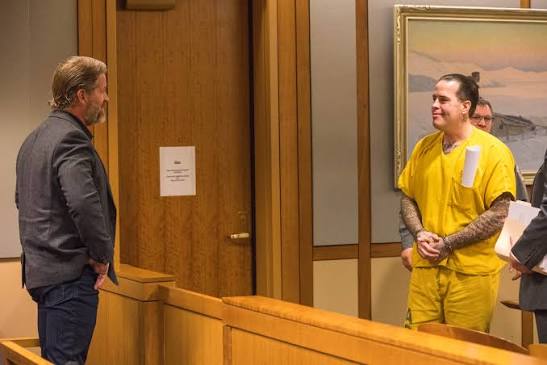
A Story of Trauma, Vigilantism, and the Rule of Law
Jason Vukovich’s case attracted widespread attention because it combined a history of personal trauma with acts of violent vigilantism.
In 2016, he used Alaska’s public sex offender registry to locate and attack several registered offenders in their homes.
The assaults left victims with serious injuries, and investigators later found stolen property and a notebook listing additional targets.
Vukovich later described himself as an “avenging angel” and said his actions were driven by severe abuse he experienced during childhood.
His account highlighted the lasting impact that trauma can have on a person’s life.
At the same time, prosecutors argued that personal suffering could not justify committing violent crimes against others.
The court agreed that no individual has the authority to take justice into their own hands.
Public registries exist to inform communities and support public safety, not to encourage retaliation or violence.
Vukovich ultimately pleaded guilty to assault and robbery charges and received a lengthy prison sentence.
His case has continued to generate public debate, with some people expressing sympathy for his past while others emphasize the harm caused by his crimes.
These two realities can exist at the same time: someone may have endured profound abuse, and they may also be responsible for serious criminal acts.
The case serves as a reminder that accountability and compassion are not mutually exclusive.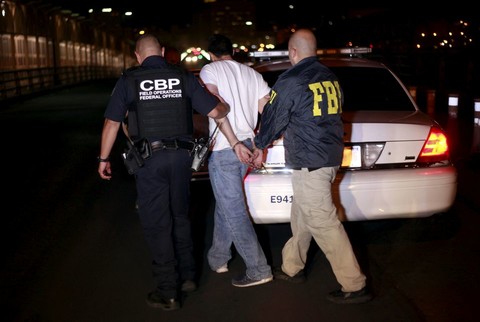
Survivors of abuse deserve support, treatment, and opportunities to heal before trauma leads to further violence.
Justice is strongest when it is carried out through the courts rather than through personal revenge.
The story continues to prompt discussions about childhood trauma, rehabilitation, victims’ rights, and the importance of the rule of law.