Parker Wells’ Tragic Death Renews Calls to Reform Canada’s Emergency Alert System

Parker Wells’ Tragic Death Renews Calls to Reform Canada’s Emergency Alert System
The tragic death of 11-year-old Parker Wells has prompted renewed calls for changes to Canada’s emergency alert system, with Conservative Leader Pierre Poilievre urging reforms aimed at better protecting vulnerable children.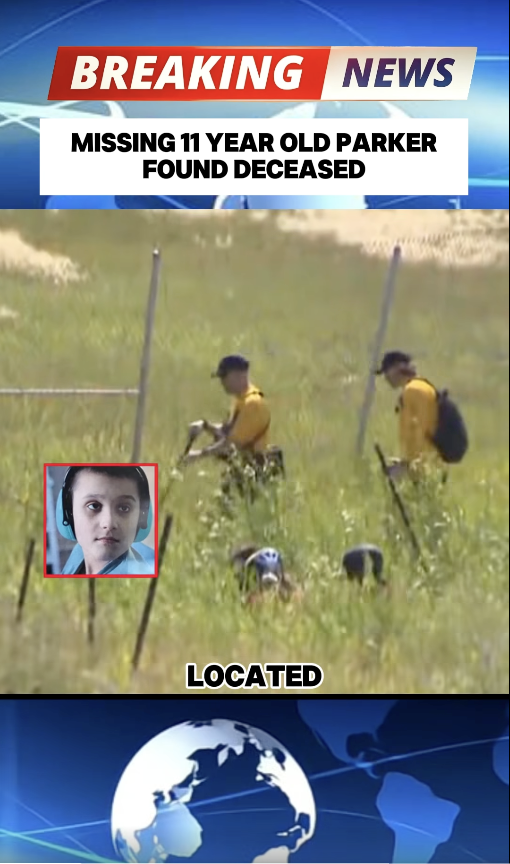
Parker, an autistic child, was reported missing earlier this month. Despite an extensive search involving police, emergency responders, volunteers, and members of the public, he was later found deceased.
Following the tragedy, Poilievre said Canada’s alert system should place greater emphasis on the level of danger a vulnerable child faces, rather than relying primarily on whether investigators suspect an abduction.
He has called for clearer policies that would allow emergency alerts to be issued more quickly when children with conditions such as autism or other disabilities disappear and are considered to be at significant risk.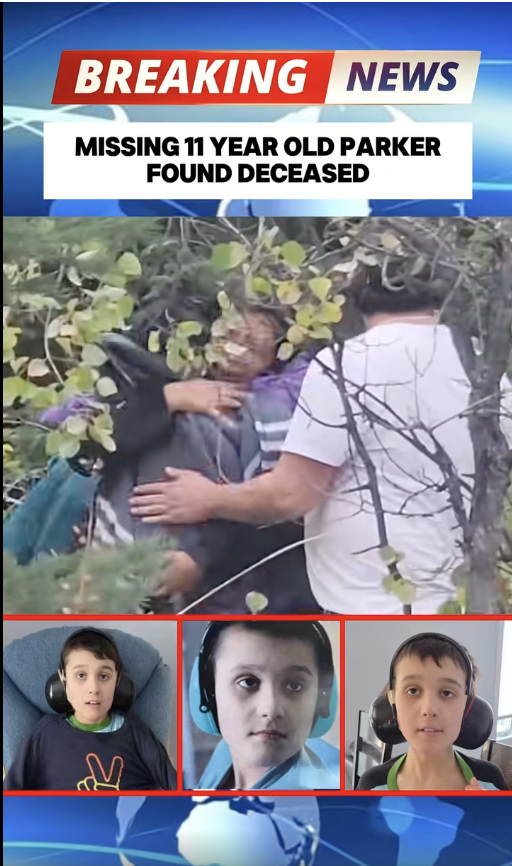
Supporters of the proposal argue that the first hours after a child goes missing are often the most critical and that faster public notification could improve the chances of locating vulnerable children safely.
The case has sparked a broader national conversation about whether Canada’s current emergency alert criteria should be expanded or whether a separate alert category should be created for missing vulnerable children.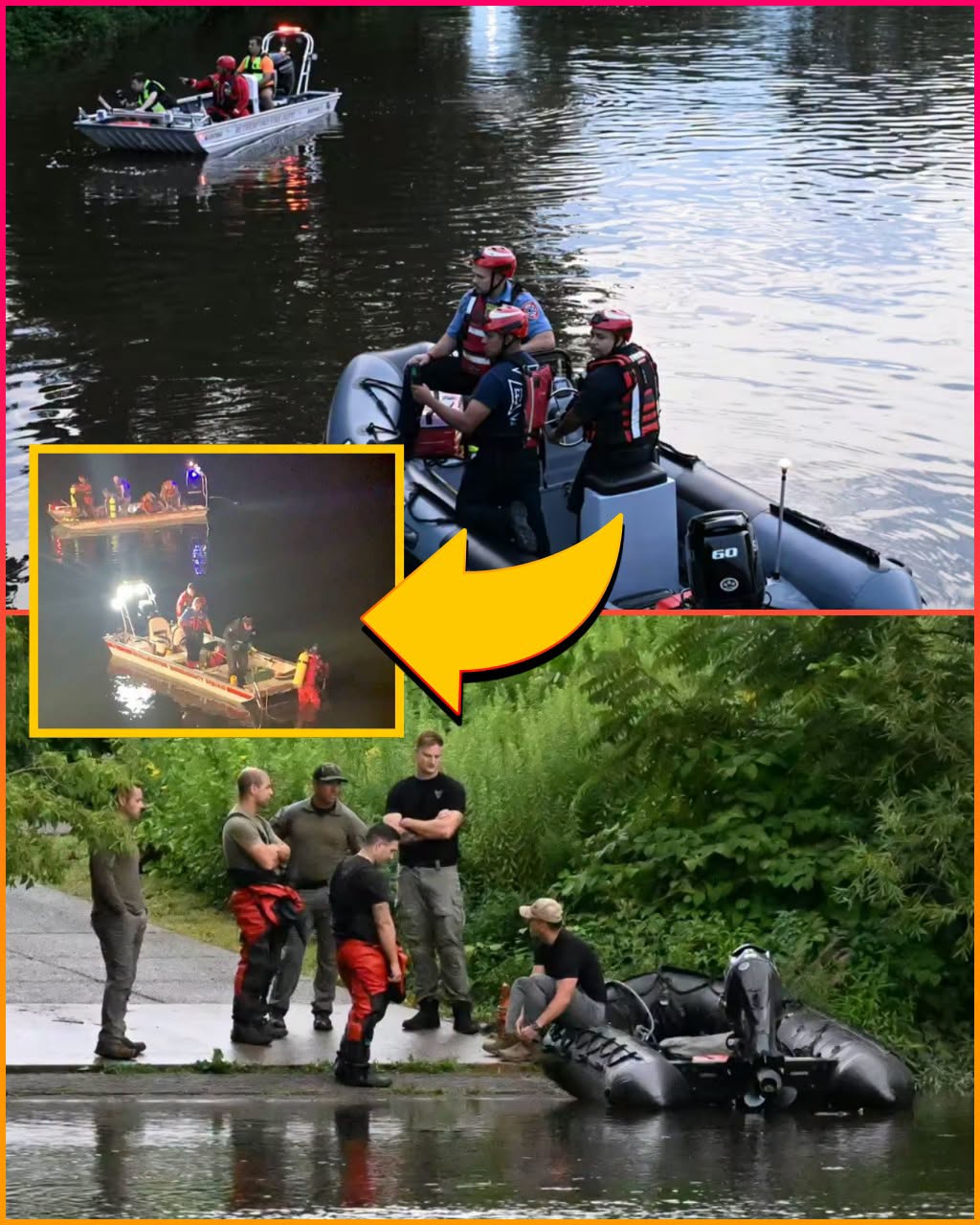
Advocates say Parker’s story highlights the unique risks faced by children who may be unable to communicate, seek help, or recognize dangerous situations.
The federal government has indicated it is reviewing ways to strengthen the consistency and effectiveness of emergency alerts in cooperation with provincial and territorial partners.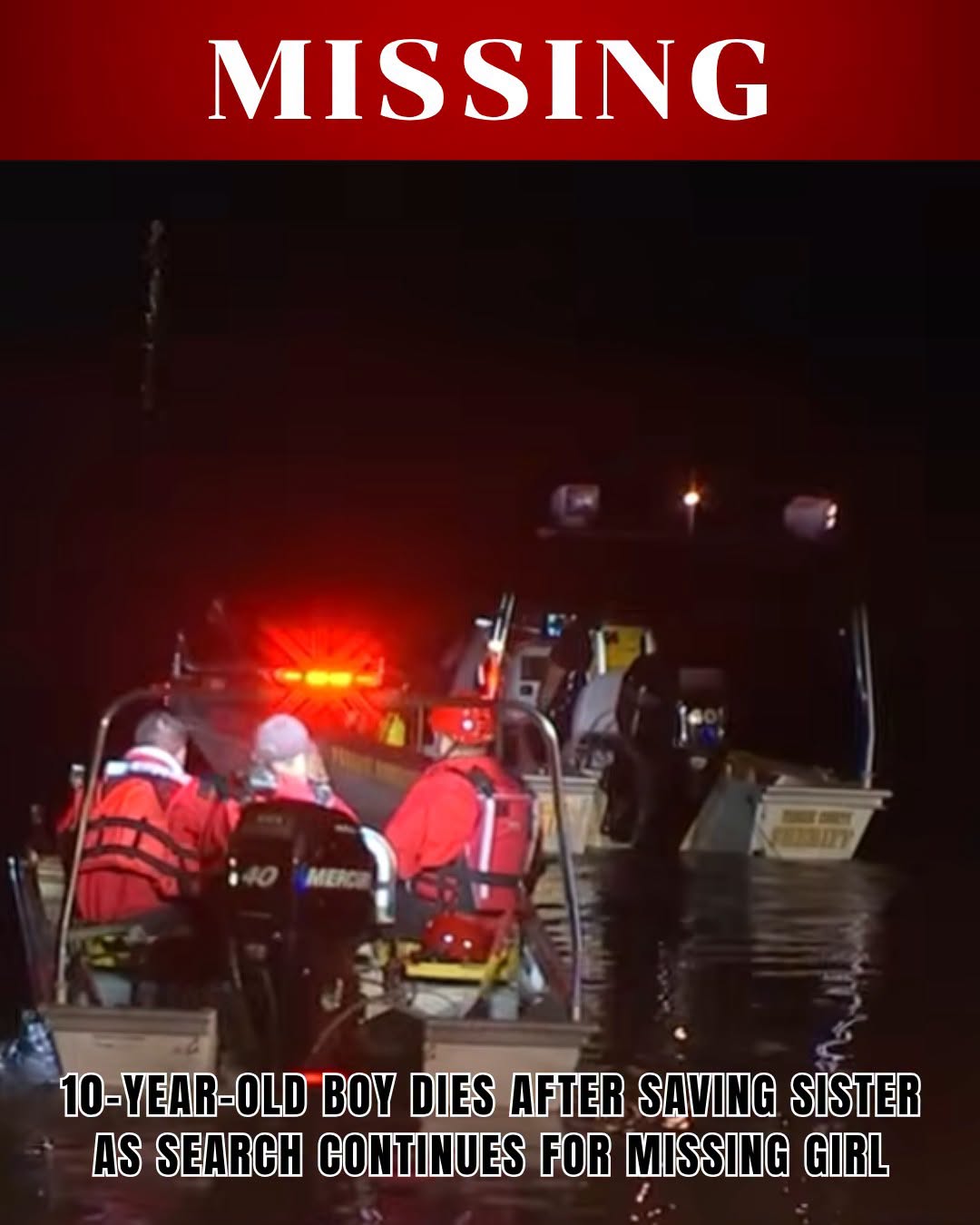
For Parker’s family, no policy change can undo their loss. However, many Canadians hope that lessons learned from this tragedy will lead to improvements that help protect other vulnerable children in the future.
Parker’s story has become a powerful reminder of the importance of rapid response, community involvement, and continued efforts to improve child safety across Canada.