From Near-Death to Bionic Pioneer: How Tilly Lockey Turned Loss into Innovation

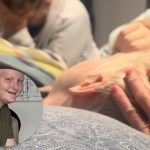
Doctors once believed 15-month-old Tilly Lockey might not survive a life-threatening infection.
In January 2007, the toddler from Consett, County Durham, developed meningococcal septicaemia, a severe form of bacterial blood poisoning linked to meningitis. Within hours she was critically ill. Her parents were told to prepare for the worst. After four weeks in hospital, ten blood transfusions and intense medical intervention, Tilly pulled through. The infection, however, had caused catastrophic damage. Surgeons amputated both of her forearms and she lost her toes.
What followed could have defined her by limitation. Instead, Tilly refused to let her challenges shape her future. She grew up using early prosthetic hands supplied by the NHS. Then, when her mother discovered the Bristol-based company Open Bionics while researching 3D-printed devices, everything changed.
In 2016, at the age of ten, Tilly became one of the first children to trial the company’s experimental bionic arms. For nearly a decade since, she has worked closely with the engineers as a real-world tester and feedback partner. She has demonstrated prototypes, worn successive versions of the Hero Arm, and provided detailed, practical insight that designers sitting at desks could never fully anticipate.
Her input has covered comfort, weight, ventilation, speed of response, the reliability of different grip modes, and the small but critical frustrations of everyday life—holding a pen, applying makeup, pouring a drink, or keeping a secure hold without accidental release. Features such as “freeze mode,” improved wrist articulation and better-fitting liners have been refined in part because of the observations she shared.
Today Tilly is a confident young woman, social-media personality, presenter, model and advocate. She uses advanced, multi-grip, wireless bionic arms that allow her to pick up small objects, play instruments, create content and live independently. She has also become a prominent voice for meningitis awareness, regularly sharing her story so other families recognise the warning signs early.
Tilly’s journey shows that survival was only the beginning. By refusing to be defined by what she lost, she has helped shape technology that now benefits hundreds of other limb-different people around the world.
Sources
- Wikipedia and contemporary biographies of Tilly Lockey
- Open Bionics official accounts and “The Tilly Effect” development updates
- BBC News and Chronicle Live coverage of her early survival, amputations and bionic-arm fitting
- Meningitis Research Foundation (account by her mother, Sarah Lockey)
- Recent interviews and social-media statements by Tilly Lockey on her ongoing role testing prosthetic technology