Congenital Eye Differences in Infants: Understanding Microphthalmia and Related Conditions
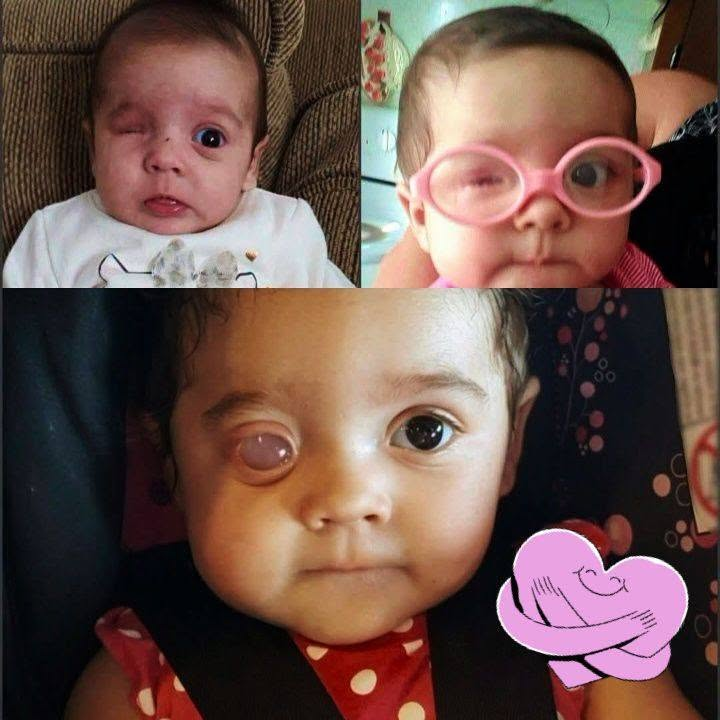
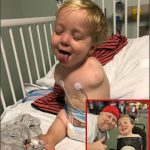
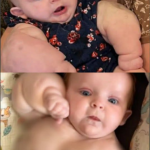
Some babies are born with noticeable differences in one or both eyes. The photographs show a young child whose right eye appears significantly smaller, cloudy, or non-functional in early images, with later pictures suggesting possible medical intervention, use of a prosthetic, or natural changes over time. While an exact diagnosis cannot be confirmed from images alone, these appearances are consistent with congenital conditions such as microphthalmia (an abnormally small eye) or, in more severe cases, clinical anophthalmia (apparent absence of the eye).
What Are These Conditions?
Microphthalmia and anophthalmia are rare birth defects in which one or both eyes do not develop fully during pregnancy.
- In microphthalmia, the eye is present but smaller than normal and may have limited or no vision.
- In anophthalmia, the eye is missing or extremely rudimentary.
These conditions can occur alone or together with other features (for example, facial asymmetry, ear differences, or involvement of other body systems). Estimates suggest they affect roughly 1 in 5,000 to 1 in 10,000 births. Causes may include genetic factors, chromosomal changes, or disruptions in early embryonic development; in many cases the exact reason remains unknown.
A cloudy or white appearance in the pupil can also result from a dense congenital cataract, which prevents light from reaching the back of the eye and requires prompt evaluation.
Care and Management
There is currently no way to create a fully functioning new eye. Treatment focuses on:
- Protecting any remaining vision in the affected or fellow eye
- Supporting healthy growth of the eye socket and face (often with expanding conformers or prosthetic eyes started in infancy)
- Addressing associated issues such as hearing, feeding, or developmental needs
- Providing early intervention services so the child can develop strong skills using their other senses
A multidisciplinary team—typically including a pediatric ophthalmologist, ocularist (for prosthetics), geneticist, and early-intervention specialists—usually coordinates care. When only one eye is affected, protecting the healthy eye becomes especially important.
Looking Ahead
With early and consistent medical care, many children with these conditions grow up healthy, confident, and fully engaged in family and school life. Parental support, access to specialized services, and an inclusive environment play a major role in positive outcomes.
The message of care, love, and hope that accompanies these photos is essential. Every child deserves skilled medical attention and the chance to move through life with confidence and support.
Sources
- CDC – Anophthalmia/Microphthalmia overview and prevalence data
- Cleveland Clinic – Clinical information on microphthalmia and anophthalmia
- American Academy of Ophthalmology and peer-reviewed reviews (Acta Ophthalmologica and related literature) on diagnosis, orbital growth, and prosthetic management
- MedlinePlus / standard pediatric ophthalmology resources on congenital cataracts and early intervention