Rowan Beasley: A Young Boy’s Fight Against Aggressive Neuroblastoma
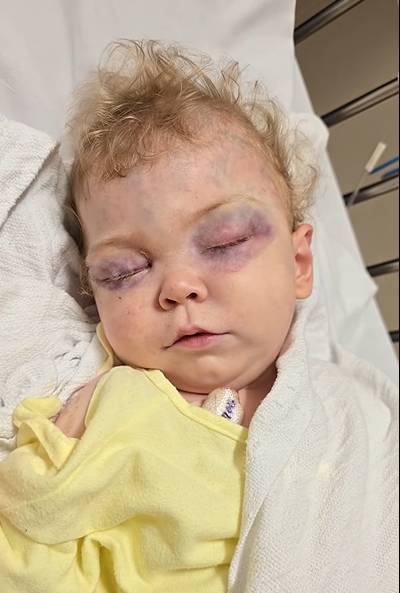
Four-year-old Rowan Beasley (sometimes affectionately called “Rollie Pollie”) from the Lawrenceburg/Frankfort area of Kentucky was diagnosed with a rare and aggressive form of childhood cancer after his parents noticed he suddenly struggled to stand and walk. What began as unexplained weakness quickly led to medical evaluation. Doctors discovered a rapidly growing tumor — later confirmed as neuroblastoma, a cancer that develops from immature nerve cells and most often occurs in young children.
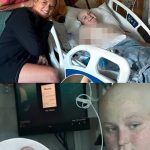
The diagnosis came in late 2024. Rowan was immediately started on an intensive multimodal treatment plan that included chemotherapy, surgery to remove the large abdominal mass, radiation, and immunotherapy. From that point, his life centered on hospital stays, frequent medical appointments, and the physical and emotional challenges that accompany aggressive cancer treatment in a small child.
Neuroblastoma is known for its potential to spread quickly. Despite periods of improvement — including the successful surgical removal of the primary tumor and times when Rowan regained the ability to walk — the disease later progressed. Updates from the family indicated that the cancer had become more advanced, shifting the focus of care toward comfort and quality of life.
Throughout the ordeal, Rowan’s mother, Charlie Beasley, has spoken openly about the emotional and practical strain on the family, which includes three other children. The costs of treatment, travel, and time away from work placed the household under significant financial pressure at various points. Community support, including local fundraising efforts, helped the family manage some of these burdens.
Rowan’s story reflects both the intensity of modern pediatric cancer care and the resilience required of young patients and their families. Neuroblastoma remains a serious diagnosis, particularly when it presents with rapid progression or high-risk features, but advances in chemotherapy, surgery, radiation, and immunotherapy continue to improve outcomes for many children.
Sources
- LEX18 (Kentucky) news reports covering Rowan’s diagnosis with neuroblastoma, treatment course (chemotherapy, surgery, radiation, immunotherapy), family statements, and later updates on disease progression
- Local Kentucky coverage (including The Anderson News) detailing the timeline from initial symptoms of difficulty walking to the confirmation of metastatic disease and the family’s ongoing journey