Bentley’s Second Battle: A 3-Year-Old Facing Relapsed Stage 4 Neuroblastoma
Bentley is only three years old, yet cancer has already claimed a large part of his childhood. Diagnosed with stage 4 neuroblastoma at just seven months of age, he endured rounds of chemotherapy and reached remission. His family believed the worst was behind them. Then the cancer returned—more aggressive than before.
Neuroblastoma is a cancer that develops from immature nerve cells, most often in infants and young children. It commonly begins in the adrenal glands but can arise along the spine or elsewhere in the sympathetic nervous system. Stage 4 (or high-risk metastatic) disease means the cancer has spread to distant sites such as bone, bone marrow, lymph nodes, or other organs. Treatment typically involves intensive multi-agent chemotherapy, surgery when feasible, radiation, immunotherapy, and, in many high-risk cases, high-dose chemotherapy with stem-cell (bone-marrow) rescue or transplant. Even after initial remission, relapse remains a serious concern, and relapsed high-risk neuroblastoma is particularly difficult to treat.
For Bentley, the return of the disease has meant renewed hospital stays, scans, treatments, and long trips to his oncology team. His mother, Amanda, has stepped away from work to care for him full-time. The family faces the emotional weight of watching their little boy fight again, along with the practical burdens of medical costs, travel, and daily living expenses. Amanda has spoken openly about the question that haunts her most: whether her son will get the chance to grow up. At the same time, she and the family continue to hold onto hope, describing Bentley as a fighter who has already proven his strength once.
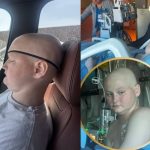
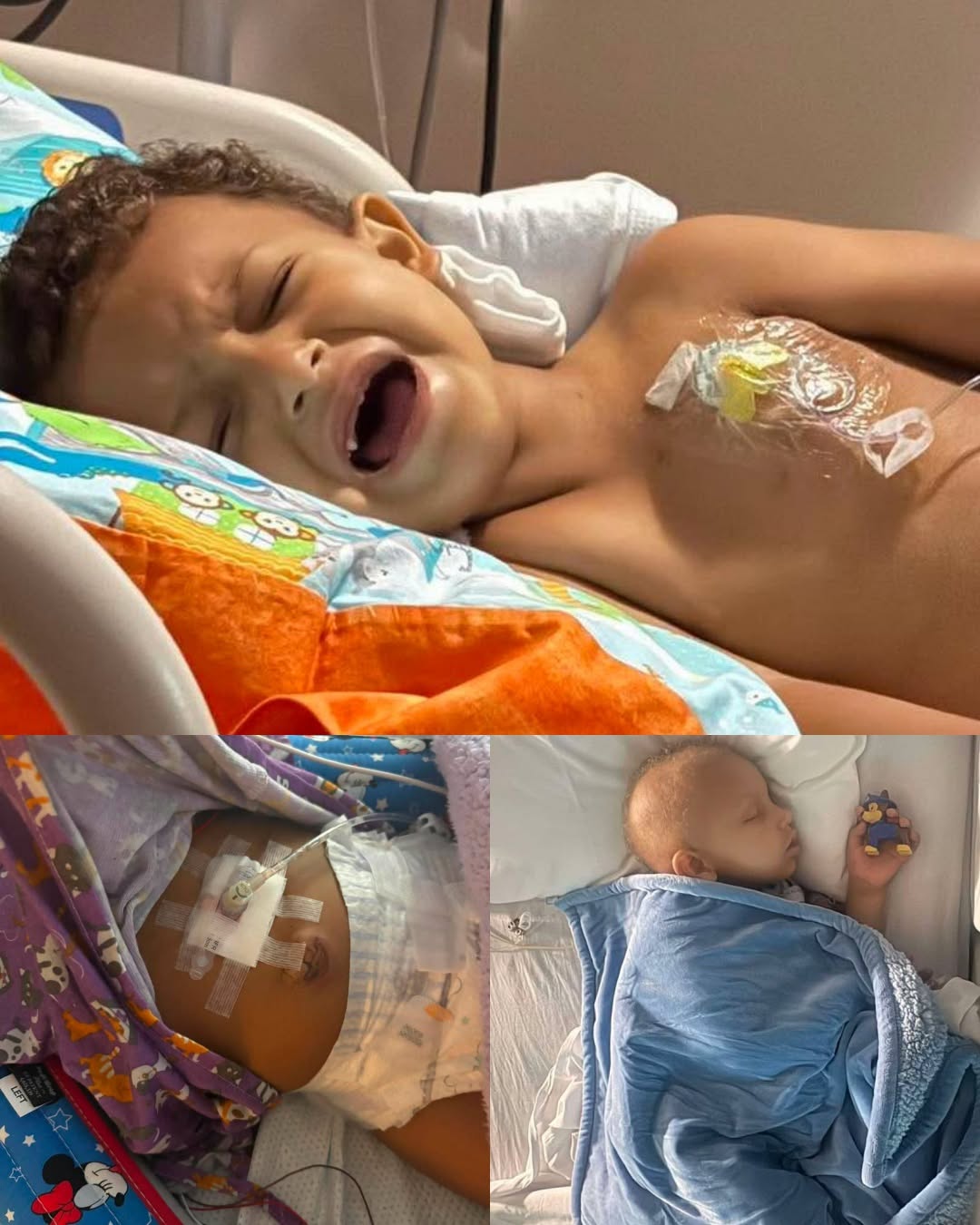
Images shared by the family show Bentley in hospital beds—sometimes crying through procedures, sometimes resting quietly under colorful blankets with a favorite toy nearby—capturing both the hardship and the quiet moments of a toddler still trying to be a child amid the medical reality.
Relapsed high-risk neuroblastoma often requires additional intensive therapies, which may include further chemotherapy, targeted treatments, immunotherapy, clinical-trial options, or consideration of a bone-marrow/stem-cell transplant. Outcomes vary widely depending on the timing and location of relapse, prior treatments, and the child’s overall condition. Supportive care, pain management, nutritional support, and psychosocial resources for the whole family are essential parts of the journey.
Bentley’s story is one of many that highlight the harsh reality of childhood cancer: even after the relief of remission, the threat of relapse can return without warning. Yet it is also a story of parental devotion and a small boy’s resilience. As his family navigates the next phase of treatment and holds onto hope for a second chance at lasting health, they continue to share his fight in the hope that awareness, prayers, and support can help carry them through.
Sources
- Family updates shared by Amanda Gibbons (Facebook, May 2026) detailing Bentley’s initial diagnosis of stage 4 neuroblastoma at 7 months, remission after chemotherapy, relapse at age 3, ongoing treatments, and the family’s current challenges and hopes
- Cleveland Clinic and standard pediatric oncology references on neuroblastoma: definition, staging, high-risk disease, treatment approaches (chemotherapy, surgery, radiation, immunotherapy, stem-cell transplant), and the challenges of relapsed disease