Behind Every Smile: Raising Awareness of Retinoblastoma in Children
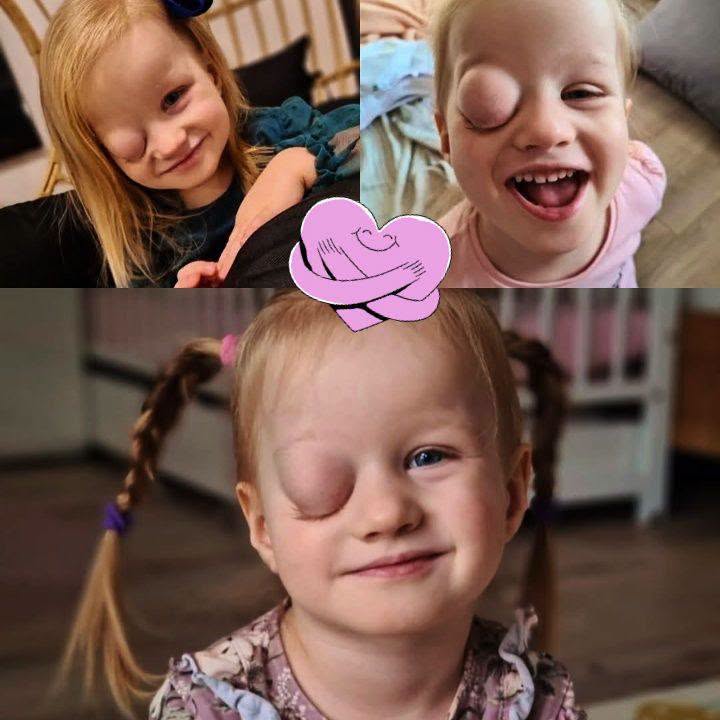
Behind every smile is incredible courage.
This content reminds us of the importance of recognizing retinoblastoma, a rare eye cancer that most commonly affects children under the age of five. It develops in the retina, the light-sensitive tissue at the back of the eye, and is the most common primary eye cancer in young children. Early signs may include a white reflection in the pupil (often visible in flash photographs, known as leukocoria), crossed or misaligned eyes (strabismus), vision changes, redness or swelling, or, in some cases, a protruding or enlarged eye.
Retinoblastoma can affect one eye (unilateral) or both (bilateral). In many cases it is linked to a mutation in the RB1 gene. Because young children cannot describe vision problems, parents and caregivers play a crucial role in spotting changes. A white glow that appears only in certain lighting or photos is one of the most frequently reported early clues. Other symptoms can be subtle and may occur alone, which sometimes delays diagnosis.
When detected early, treatment options—such as chemotherapy, laser therapy, cryotherapy, radiation, or, in advanced cases, surgical removal of the eye (enucleation)—can be highly effective. Survival rates are excellent in countries with access to specialized care, and many children retain useful vision in the affected eye or adapt well with one eye. Delayed diagnosis, however, increases the risk of the cancer spreading beyond the eye.
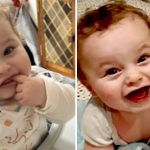
The images of this smiling little girl serve as a powerful reminder that children living with or recovering from retinoblastoma continue to show remarkable strength and joy. Their stories highlight both the medical importance of early detection and the human need for empathy. Families facing this diagnosis deserve accurate information, timely specialist care, and support free from stigma.
Let’s raise awareness, share reliable information, and stand alongside every child and family navigating health challenges. A simple glance at a photograph or a careful look at a child’s eyes can make a life-changing difference.
Sources
- Cleveland Clinic and Childhood Eye Cancer Trust (CHECT) overviews of retinoblastoma: symptoms (including leukocoria, strabismus, and changes in eye appearance), typical age of onset, genetic factors, and the importance of early detection and treatment
- Awareness materials and family accounts emphasizing the role of parental observation in identifying early signs and the positive outcomes possible with prompt specialist care