THE CLANCY TRIAL RAISES A BIGGER QUESTION: WHERE DOES MEDICAL ACCOUNTABILITY BEGIN?
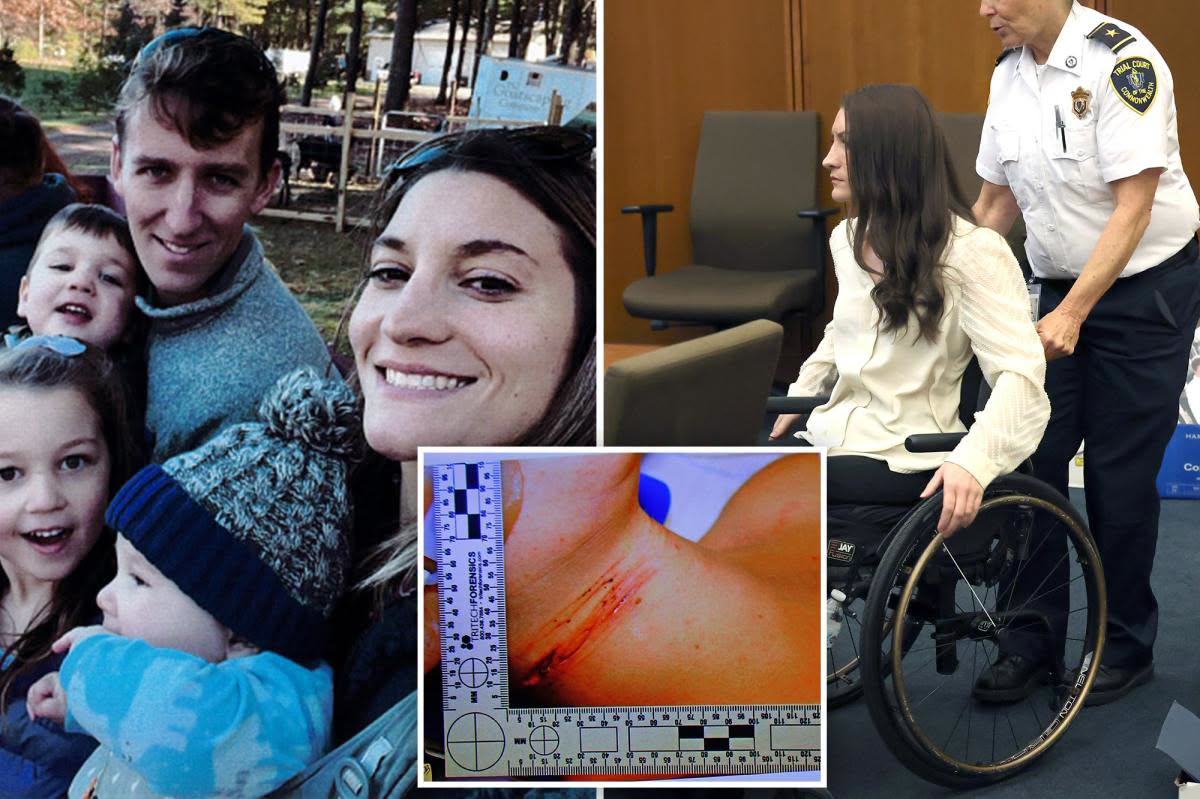
THE CLANCY TRIAL RAISES A BIGGER QUESTION: WHERE DOES MEDICAL ACCOUNTABILITY BEGIN?
The testimony involving Jennifer Tufts has raised difficult questions about the medical care Lindsay Clancy received before the deaths of her three children.
Questions have been raised about Tufts’ experience with postpartum mental health conditions, her prescribing decisions, and the accuracy of her clinical documentation.
Those are serious issues.
Medical professionals caring for vulnerable postpartum patients carry an enormous responsibility.
When treatment involves multiple medications, changing symptoms, and potentially severe psychiatric illness, careful assessment and documentation are essential.
And medical records matter.
They are supposed to provide an accurate account of what clinicians observed, what patients reported, what diagnoses were considered, and why particular treatment decisions were made.
If those records are later disputed, the consequences can extend far beyond a courtroom.
At the same time, testimony and allegations should not automatically be treated as proof of medical negligence.
Whether Tufts actually breached the applicable standard of care is a legal question that must be determined from the evidence.
The civil lawsuit connected to Lindsay Clancy’s medical care also makes the testimony especially significant, but its implications should not be assumed before the relevant proceedings are resolved.
Whatever someone believes about Lindsay Clancy’s criminal responsibility, there is a broader issue worth examining:
How can the medical system better identify and treat severe postpartum mental illness before a crisis becomes catastrophic?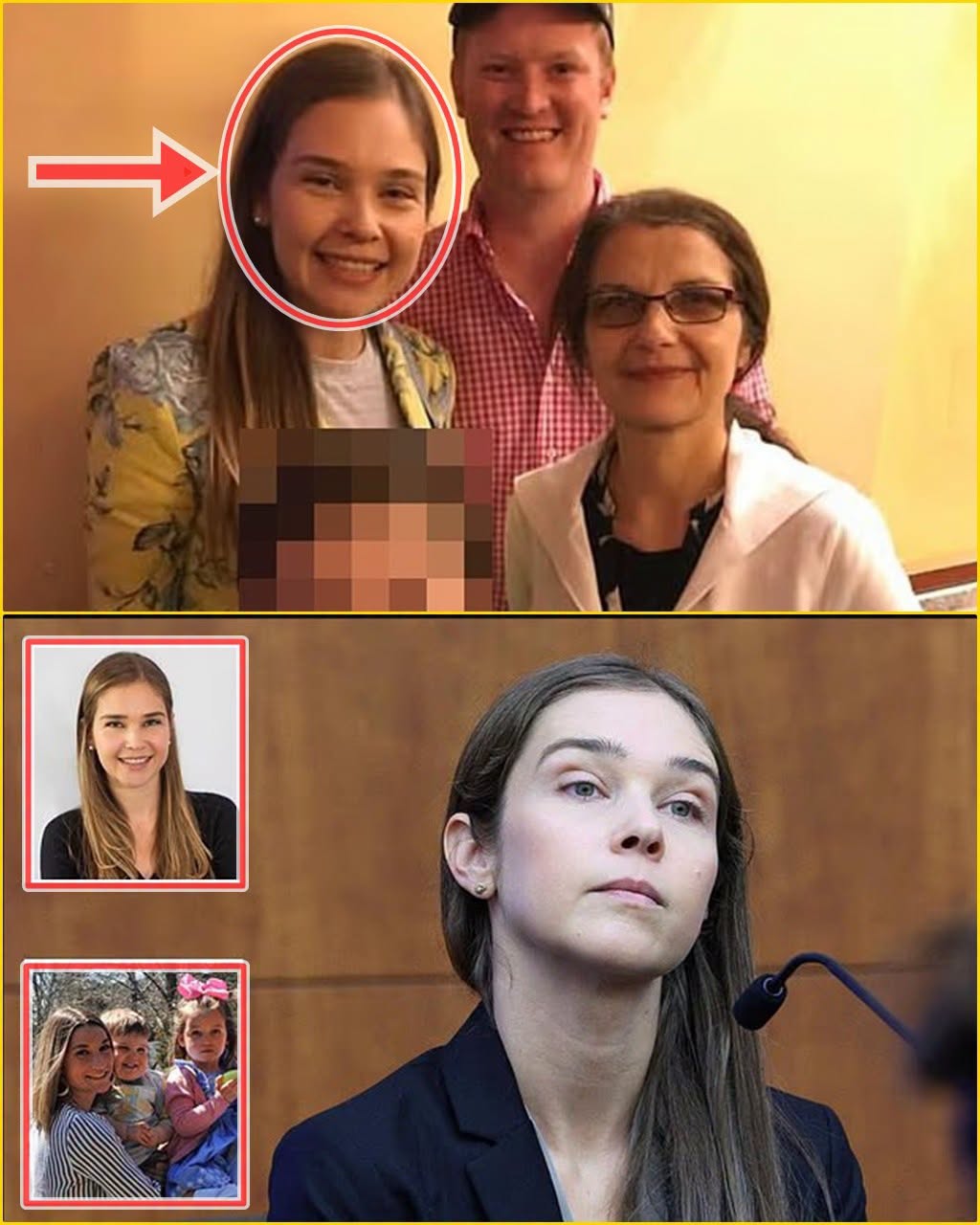
Patients place extraordinary trust in their healthcare providers.
That trust comes with an equally extraordinary responsibility to assess carefully, prescribe responsibly, document accurately, and recognize when a patient needs a higher level of care.
When lives are at stake, accountability cannot be an afterthought.