Krista and Tatiana Hogan: The Craniopagus Twins Who Share More Than a Skull
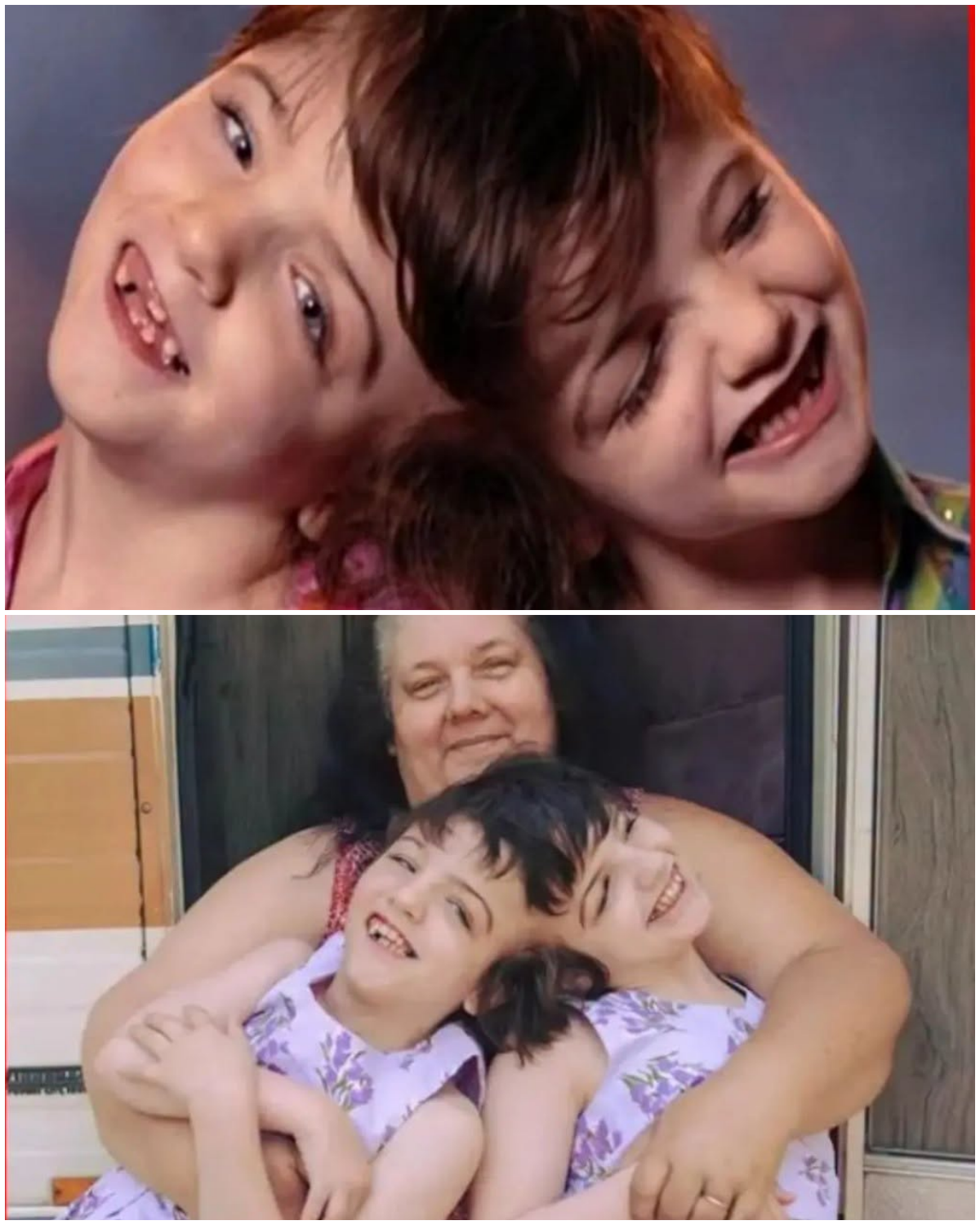
Krista and Tatiana Hogan were born on October 25, 2006, in Vancouver, British Columbia, Canada. They are craniopagus twins—joined at the head—a condition that occurs in roughly one in 2.5 million births. Most such twins do not survive beyond the first day of life; the Hogan sisters were given only a 20 percent chance of long-term survival. Against the odds, they lived.
Each girl has her own body, organs, and distinct brain. However, their brains are linked by a unique structure that neurosurgeons have called a “thalamic bridge.” This neural connection joins the thalamus of one twin to the thalamus of the other. The thalamus functions as a central relay station for sensory and motor signals and plays a role in regulating consciousness. Because of this bridge, sensory information can pass between the two brains.
Documented observations and tests have shown that the sisters can share certain perceptions. One twin can sometimes see what the other sees (Tatiana can access both of Krista’s eyes, while Krista can access one of Tatiana’s). They can also share the senses of touch and taste: when one is tickled or given something to eat, the other may react as if experiencing the same stimulus. In some cases they appear able to influence each other’s limb movements, and family members have reported moments when the girls seem to know each other’s thoughts or needs without speaking.
Despite these shared pathways, Krista and Tatiana remain two separate individuals with their own personalities, preferences, emotions, and thoughts. They have different strengths and temperaments. Medical imaging and clinical evaluation have made clear that surgical separation is not possible without an extremely high risk of severe injury or death to one or both girls. Their vascular systems are also intertwined, further complicating any theoretical attempt at separation.
The twins live with their mother, Felicia Simms, and extended family in Vernon, British Columbia. They attend school, participate in everyday activities adapted to their needs, and receive ongoing care at British Columbia Children’s Hospital. Over the years they have been the subject of documentaries and scientific interest because their neural connection is believed to be unique among living craniopagus twins.
Krista and Tatiana’s lives demonstrate both the extraordinary rarity of their anatomy and the capacity of two distinct minds to coexist while sharing limited sensory information. They continue to grow and experience the world as individuals who are, quite literally, never apart.
Sources
- Wikipedia entry on Krista and Tatiana Hogan
- The New York Times Magazine feature “Could Conjoined Twins Share a Mind?” (2011)
- CBC documentary Inseparable: Ten Years Joined at the Head and related reporting
- Clinical descriptions by neurosurgeon Dr. Douglas Cochrane and family interviews