Humphrey Bogart & Ingrid Bergman: The Hollywood Legends Whose Faces Changed, but Whose Legacy Never Did
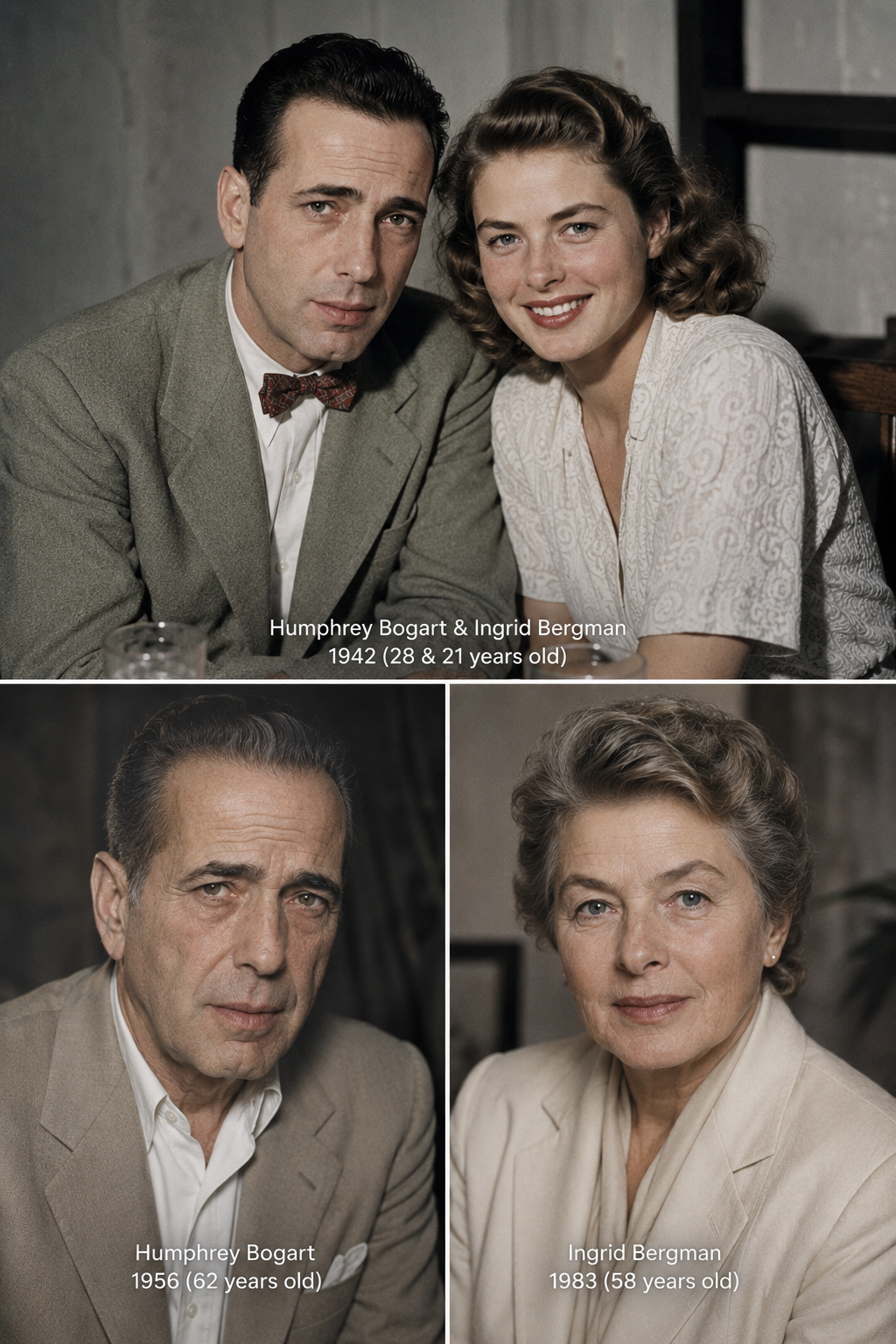
Few on-screen partnerships in Hollywood history have become as timeless as Humphrey Bogart and Ingrid Bergman. Their unforgettable chemistry in Casablanca (1942) transformed a wartime romance into one of cinema’s greatest stories, while their individual careers established them as two of the most respected stars of Hollywood’s Golden Age. More than eight decades later, their names remain closely connected with classic cinema.
Born in New York City in 1899, Humphrey Bogart initially seemed unlikely to become one of Hollywood’s greatest stars. After serving in the U.S. Navy during World War I, he found his way into acting and gradually built a career on Broadway before moving into films. His breakthrough came during the 1930s, and his career accelerated with High Sierra and The Maltese Falcon in 1941. A year later, Casablanca made him an international icon.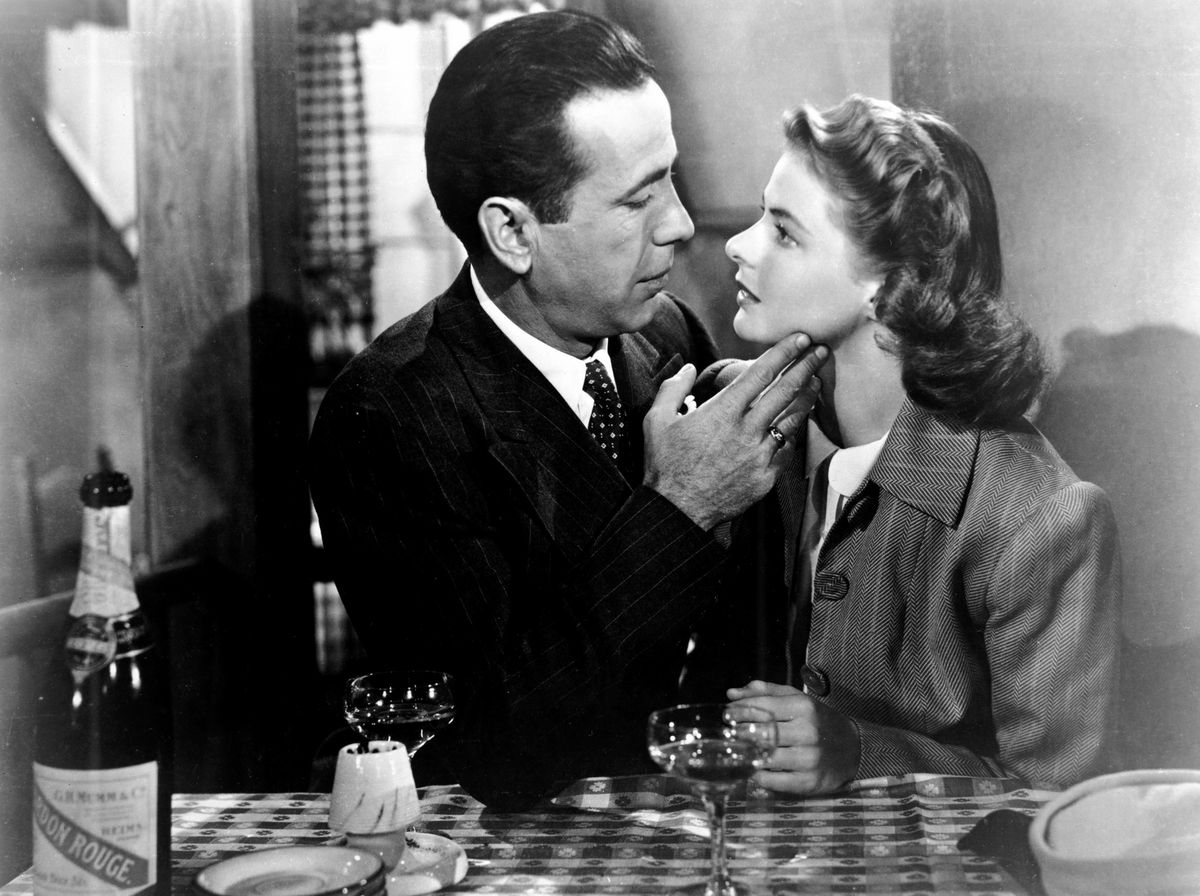
As Rick Blaine, Bogart created a character who was tough, cynical and emotionally guarded, yet deeply human. His distinctive voice, appearance and understated acting style became instantly recognizable. AFI later named Bogart the No. 1 male screen legend of all time, a remarkable recognition of his lasting influence.
Away from the screen, Bogart’s personal life was also closely followed by the public. His marriage to actress Lauren Bacall became one of Hollywood’s most famous relationships. The couple had two children and remained together until Bogart’s death. Tragically, his life was cut short. After battling esophageal cancer, Bogart died in Los Angeles on January 14, 1957, at the age of 57.
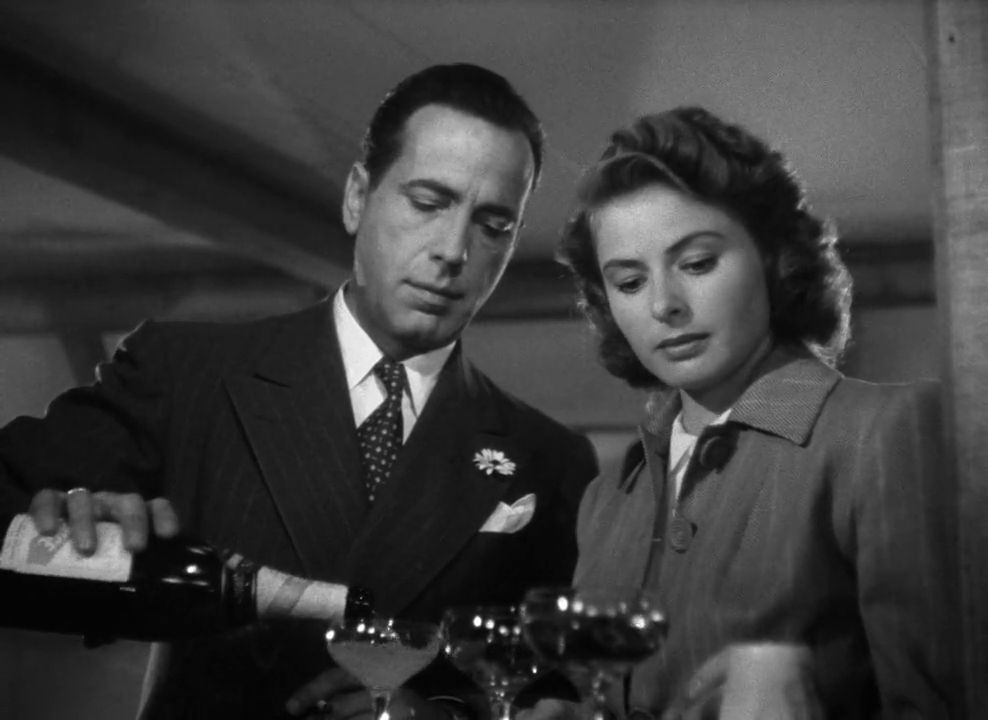
Ingrid Bergman followed a very different path. Born in Stockholm, Sweden, in 1915, she began acting in Swedish cinema before moving successfully into international films. Her natural beauty and emotionally powerful performances quickly attracted attention in Hollywood. Her English-language breakthrough came with Intermezzo in 1939, followed by major performances in For Whom the Bell Tolls, Gaslight, Notorious and, of course, Casablanca.
Unlike many stars whose careers faded after the Golden Age, Bergman continued to reinvent herself. She worked with legendary directors and performed across Hollywood, European and international cinema. Her achievements at the Academy Awards were extraordinary: she won Oscars for Gaslight, Anastasia and Murder on the Orient Express, while receiving additional nominations for several other performances.
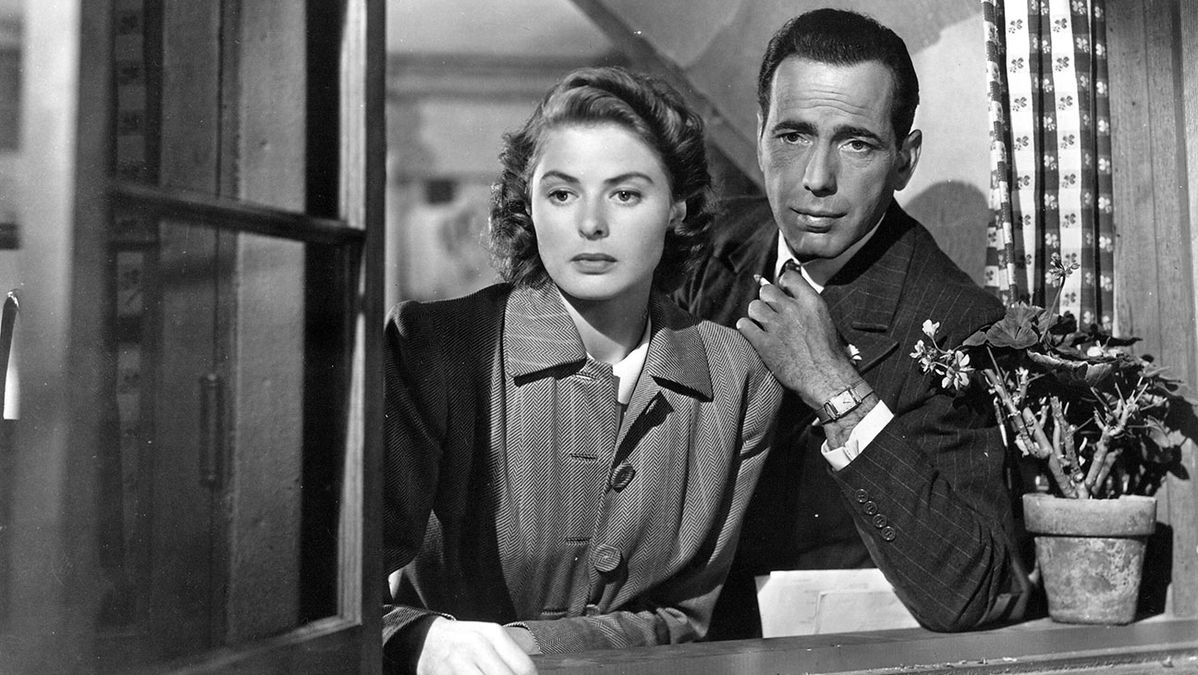
Directed by: Michael Curtiz
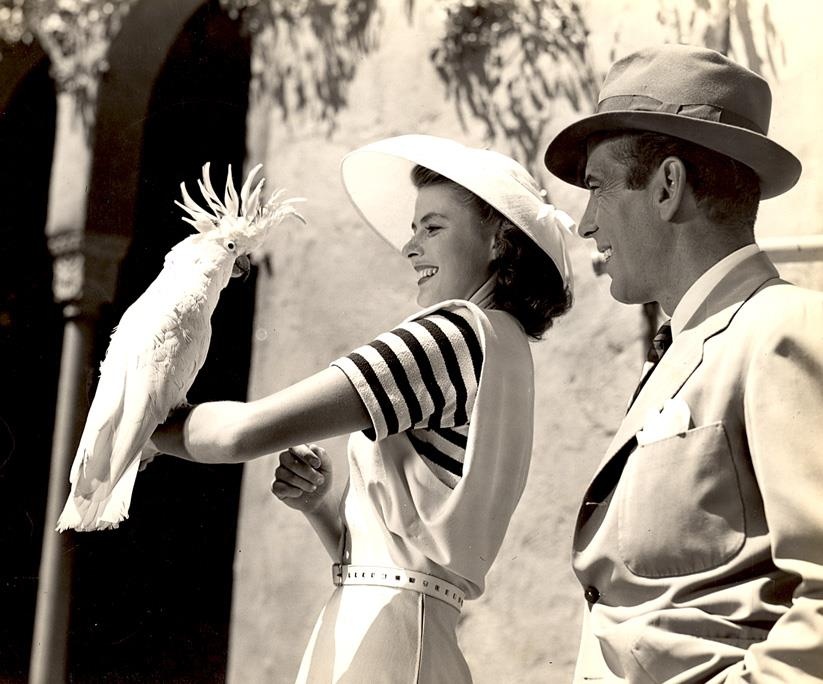
Shown: Ingrid Bergman (as Ilsa Lund Laszlo), Humphrey Bogart (as Rick Blaine)
Her personal life was more complicated than the glamorous image associated with classic Hollywood. Bergman married multiple times and became the mother of four children, including actress Isabella Rossellini. Despite periods of intense public scrutiny, she continued working and remained committed to her craft.
Bergman died in London on August 29, 1982, her 67th birthday, after a career spanning five decades.
Today, photographs of Bogart and Bergman can be striking because they reveal more than changing hairstyles, clothing or facial features. They capture the passage of time itself. Bogart’s transformation from a young actor into the weathered face of classic film, and Bergman’s evolution from a radiant young star into a mature, acclaimed actress, reflect careers shaped by decades of work and experience.
Importantly, neither actor lived into 2026. Any modern “2026” portraits of them are artistic or AI-generated visualizations, not photographs of the actors at that age. Their real final years were 1957 for Bogart and 1982 for Bergman.
Their appearances changed, their lives ended, and Hollywood itself transformed—but their performances survived. Humphrey Bogart and Ingrid Bergman remain proof that true movie stars can outlive their era. Their faces belong to the past, but their legacy still belongs to cinema today.