Behind Every Smile: The Courage of Children Facing Retinoblastoma
Behind every smile can be a story of incredible courage.
Retinoblastoma is a rare form of cancer that most often affects children under the age of five. It develops in the retina—the light-sensitive tissue at the back of the eye—and is the most common primary eye cancer in young children. Though uncommon, early detection and treatment have dramatically improved survival rates, with many children going on to live full, active lives.
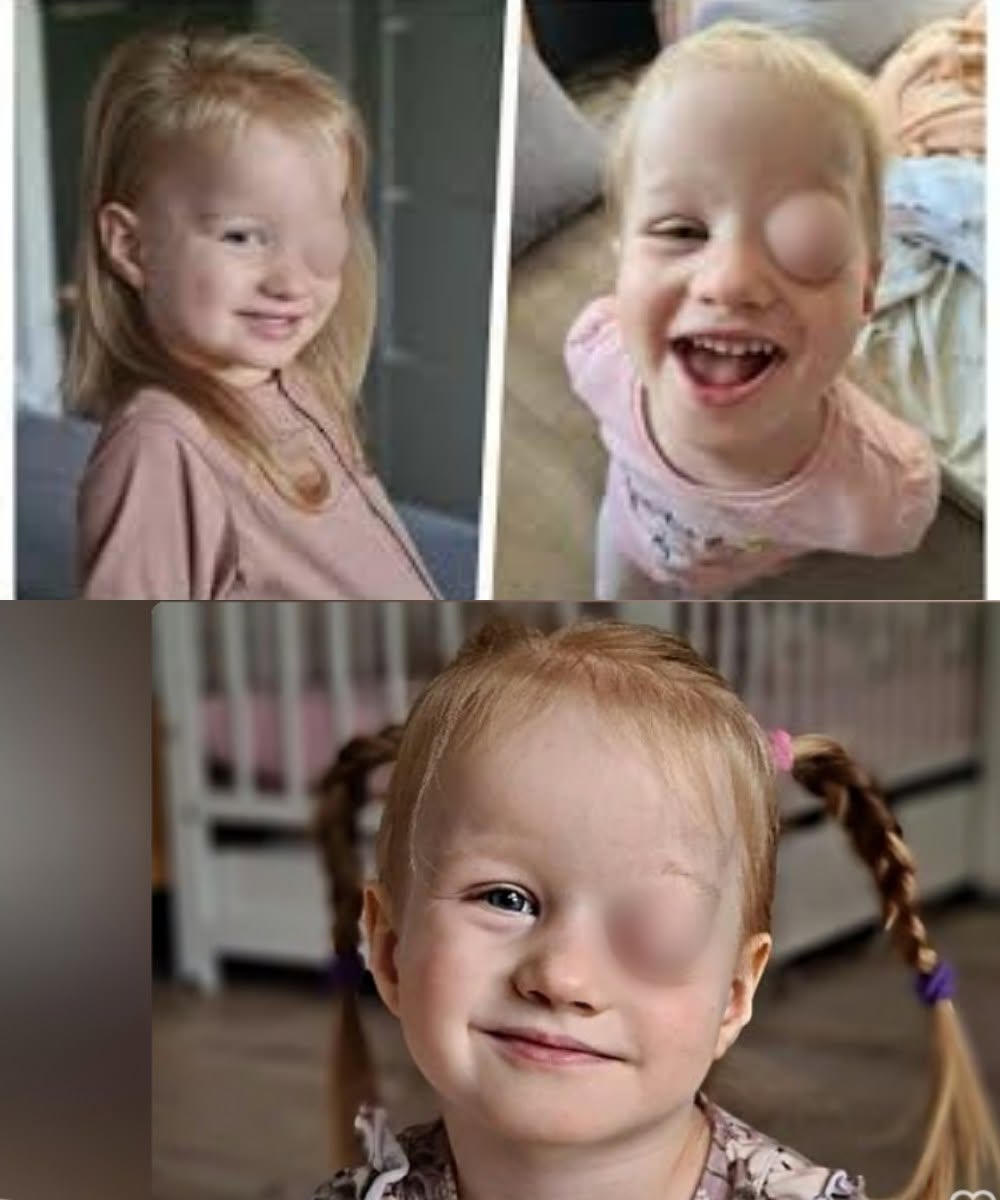
The disease often begins with subtle signs that parents or caregivers may notice first: a white or yellowish glow in the pupil (especially visible in flash photographs), a persistent squint, a change in the color of the iris, or swelling and redness around the eye. In advanced cases, the eye may appear enlarged or protrude. Because the cancer grows quickly, prompt medical evaluation is essential.
Treatment depends on the size, location, and stage of the tumor. Options can include chemotherapy, laser therapy, cryotherapy (freezing), radiation, or—in cases where the eye cannot be saved or vision is already lost—enucleation (surgical removal of the eye). After enucleation, children are typically fitted with a prosthetic eye. Modern prosthetics are highly realistic and allow for a natural appearance.
Children who undergo these treatments often display remarkable resilience. They adapt quickly to life with one eye, continue playing, learning, and smiling. Many go on to attend school, participate in sports, and pursue their interests without major limitations. Families play a vital role, providing emotional support while navigating hospital visits, recovery, and the adjustment to a new normal.
Awareness remains key. Organizations dedicated to childhood eye cancer encourage parents to look carefully at photographs of their children and seek medical advice if any unusual signs appear. Early intervention not only saves lives but can sometimes preserve vision in the affected eye.
The smiling faces of young survivors remind us that strength often shines brightest in the smallest among us. Their stories of recovery and joy continue to inspire hope for other families facing the same diagnosis.
Sources
- Medical description of retinoblastoma from standard clinical sources (including information on incidence, symptoms, and treatment options).
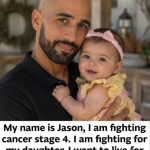
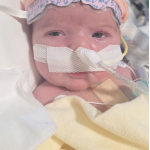
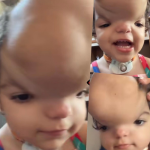
- The accompanying images illustrating stages of a child’s journey with the condition, from diagnosis through recovery and prosthetic fitting.
- General survivor accounts and awareness information from childhood cancer organizations such as Children with Cancer UK and the Childhood Eye Cancer Trust.