Madeleine McCann Suspect Refused British Police Interview — Nearly a Year Later, the Investigation Is Still Moving

Nearly two decades after Madeleine McCann disappeared from a holiday apartment in Portugal, one of the biggest unanswered questions surrounding the investigation remains focused on German national Christian Brückner.
But before his release from prison in September 2025, British detectives attempted to do something they had long wanted to do: interview him directly about Madeleine.
He refused.
The Metropolitan Police confirmed at the time that investigators submitted a formal International Letter of Request seeking an interview with Brückner, who had been identified as the main suspect in the German investigation into Madeleine’s disappearance.
The request was rejected by Brückner.
Despite that refusal, British investigators made clear that their work would continue.

Brückner remains a suspect in the Metropolitan Police investigation, known as Operation Grange, which has worked alongside German and Portuguese authorities for years.
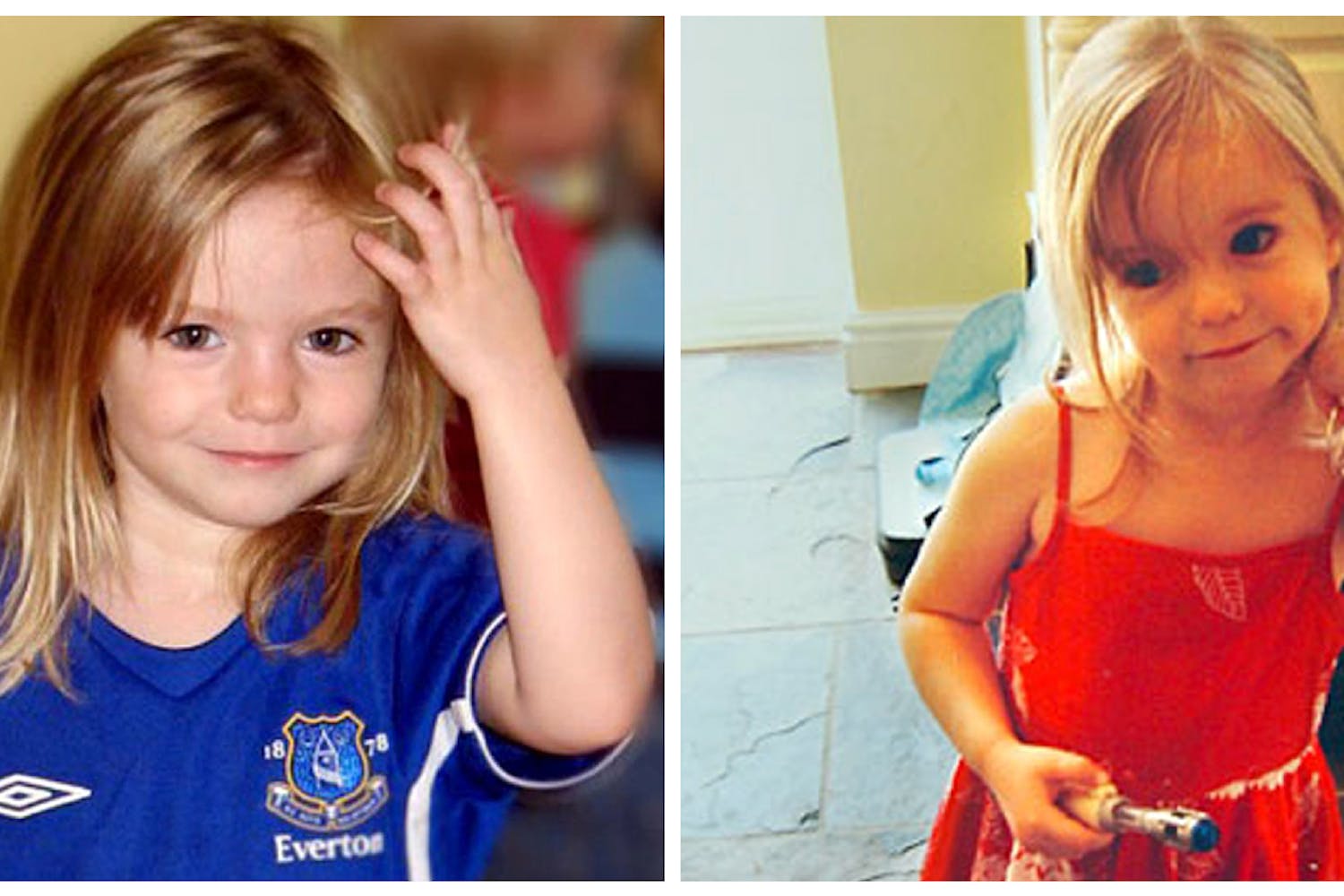
Madeleine was 3 years old when she disappeared from her family’s holiday apartment in Praia da Luz, Portugal, on May 3, 2007.
Her parents, Kate and Gerry McCann, were dining with friends at a nearby restaurant when Madeleine vanished. Her younger twin siblings were also inside the apartment.
The disappearance triggered an international investigation that has continued for almost two decades.
Brückner became a major focus years later.
The German national had lived in Portugal’s Algarve region around the time Madeleine disappeared and was known to have spent years in the area.
German authorities publicly identified him as a suspect in 2020 and have said they believe Madeleine is no longer alive.

But there is an important legal distinction that remains true today:
Brückner has never been charged in connection with Madeleine’s disappearance.
He has repeatedly denied any involvement.
When British investigators attempted to question him in 2025, Brückner was approaching the end of a prison sentence in Germany for the 2005 rape of a 72-year-old American woman in Praia da Luz — an entirely separate case.

He was released from prison on September 17, 2025.
His release did not end the investigation surrounding Madeleine.
German authorities continued investigating him, while British detectives maintained their own inquiry.
Brückner’s freedom also came with restrictions.
Following his release, he was required to wear an electronic monitoring device, surrender his passport and comply with reporting requirements imposed by German authorities.
Meanwhile, investigators continued examining potential evidence accumulated over years of searches and inquiries.
One of the most significant physical searches occurred shortly before Brückner’s release.
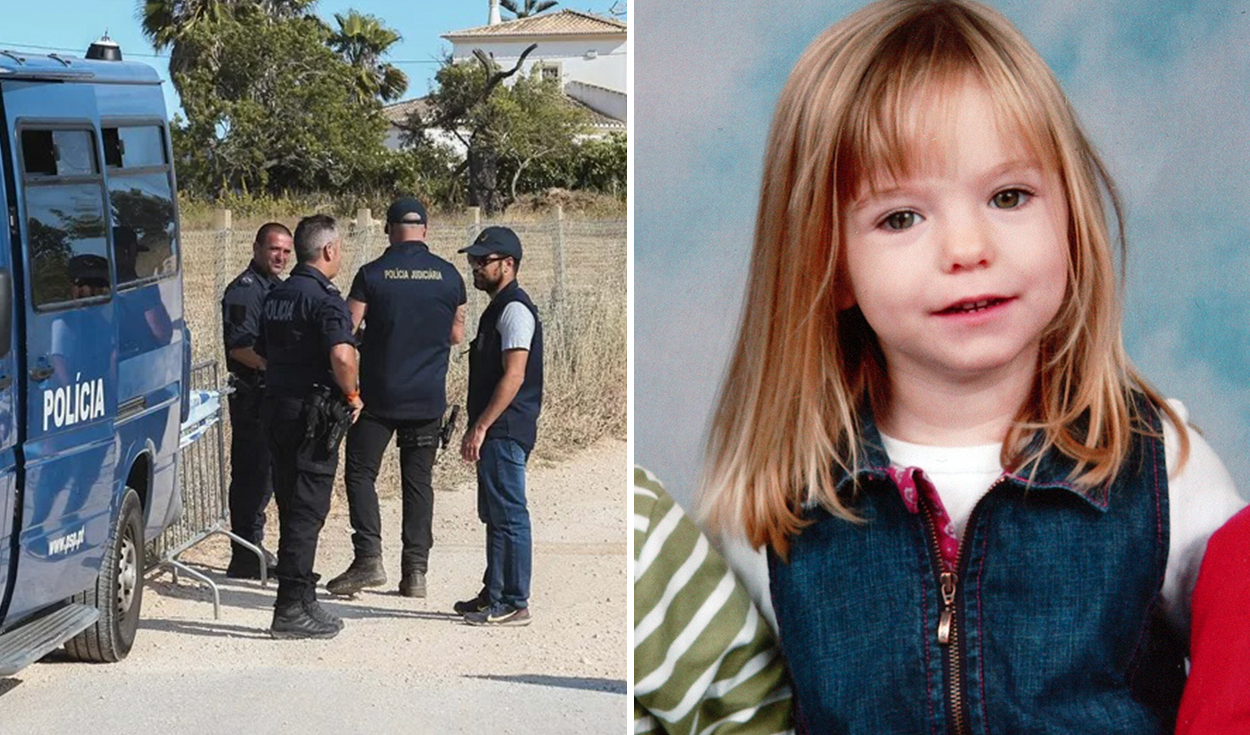
In June 2025, German and Portuguese investigators conducted another major search in Portugal near Praia da Luz.
Authorities searched properties and areas between the resort and locations associated with Brückner, looking for evidence that could potentially move the investigation forward.
But no criminal charge in Madeleine’s disappearance followed.
That has left investigators facing the same fundamental challenge: suspicion is not enough to prosecute someone.
The case took another turn in 2026.
Reports this summer indicated that British investigators had received additional material from German authorities relating to Brückner.
The files reportedly contain information collected during the German investigation, adding another layer of material for Scotland Yard to assess as the case approaches its 20th anniversary.
British police have continued communicating with their German and Portuguese counterparts and say they remain committed to pursuing viable lines of inquiry.
The developments demonstrate why Brückner’s refusal to speak with British detectives in September 2025 remains significant.
An interview could have allowed investigators to confront him directly with questions surrounding his movements, activities and connections to the Algarve at the time Madeleine disappeared.
Instead, investigators have been forced to continue without his cooperation.
Yet his refusal to participate in an interview is not evidence of guilt.
Nor does his status as a suspect establish that he was responsible for Madeleine’s disappearance.
Those distinctions remain essential because, despite years of international attention surrounding Brückner, prosecutors have not brought a Madeleine-related case against him.
The investigation therefore exists in an unusual position.
Authorities have a principal suspect.
They have spent years gathering evidence.
They have conducted multiple searches.
Three countries have been involved.
And British investigators attempted to question the man at the center of the inquiry.
Still, nearly 20 years after Madeleine disappeared, no one has been convicted — or even charged — with causing her disappearance.
As the anniversary approaches, investigators are again examining material that could potentially answer questions left unresolved since 2007.
Whether that evidence will finally be enough to transform years of suspicion into a prosecutable case remains unknown.
For Kate and Gerry McCann, however, the objective has never changed.
They want to know what happened to their daughter.
And almost two decades after Madeleine disappeared from Praia da Luz, police in Britain, Germany and Portugal are still trying to provide that answer.
Main Sources: Reuters, Associated Press, The Guardian, CBS News