REAKING: $630,000 was raised to cover legal fees for Karmelo Anthony,
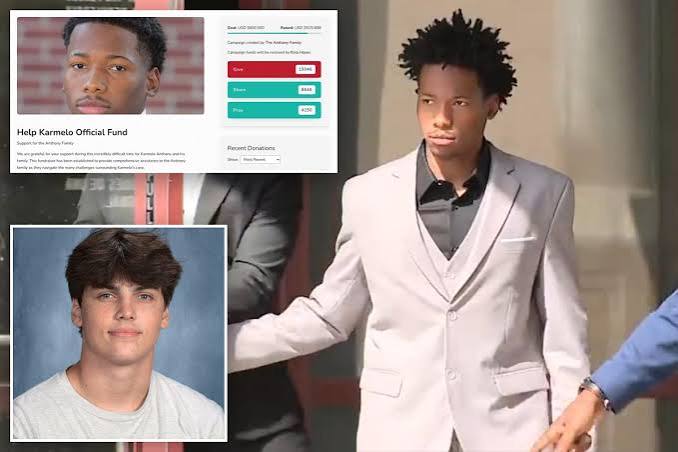
The verdict answered one of the most important questions surrounding the death of 17-year-old Austin Metcalf. A Texas jury found Karmelo Anthony guilty of murder and sentenced him to 35 years in prison. Yet almost immediately, another question began spreading across social media: What happens to the hundreds of thousands of dollars raised for Anthony and his family?
The answer is more complicated—and far less dramatic—than many viral posts suggest. The GiveSendGo campaign established after Anthony’s arrest collected just under $634,000, not more than $1 million. Its stated purposes extended beyond legal fees to include relocation, transportation, counseling, security and ordinary living expenses for the Anthony family. GiveSendGo said the money had been distributed over the previous year for lawful pretrial purposes and that the remaining funds would be paid out when the campaign closed.
The conviction did not automatically transfer the money to Austin Metcalf’s family. That reality has intensified a debate already shaped by grief, race, online misinformation and competing narratives about two teenagers whose lives were permanently altered beneath a school track-team tent.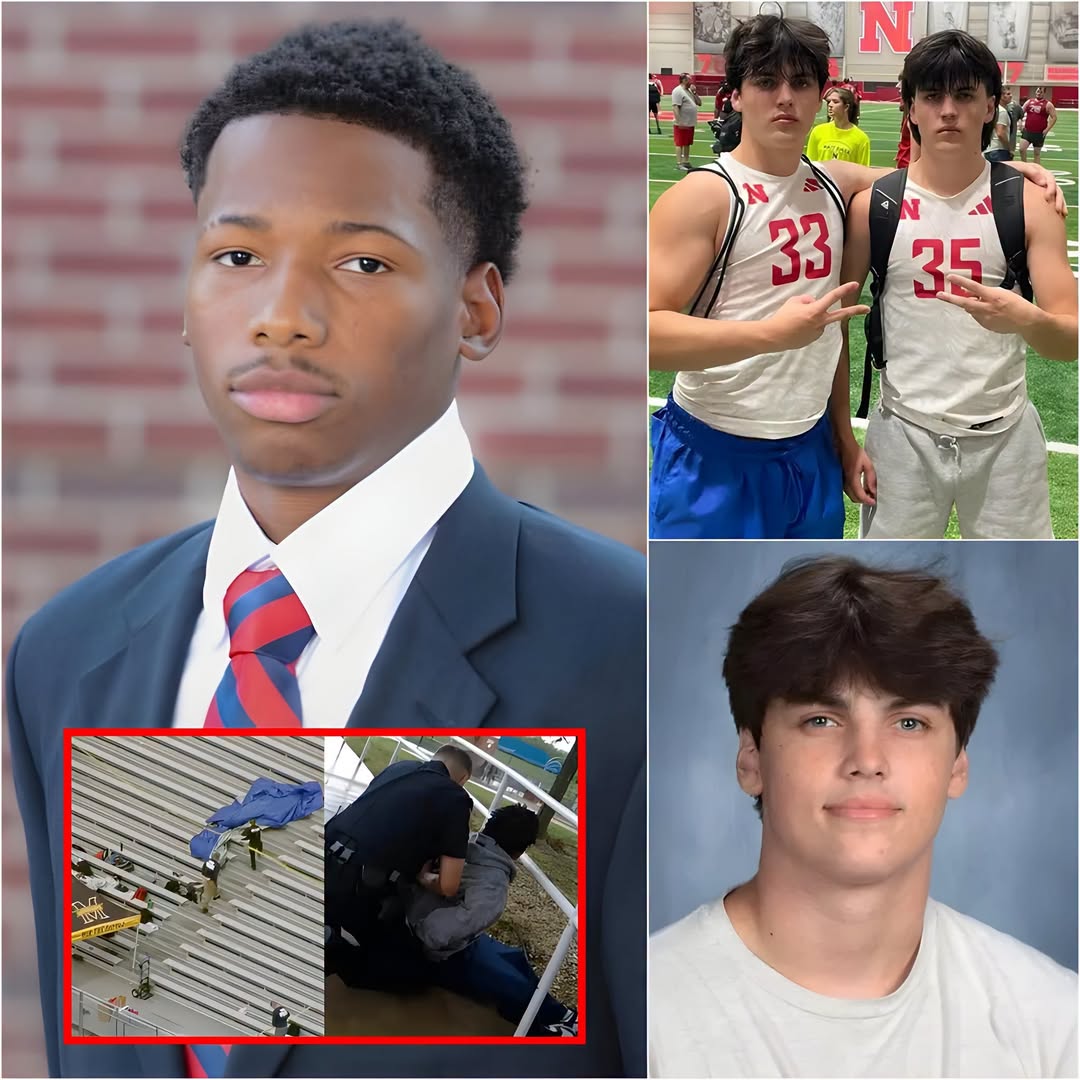
A Rainy Morning That Changed Two Families
The confrontation occurred on April 2, 2025, during a high school track meet at David Kuykendall Stadium in Frisco, Texas. Austin, a Memorial High School student and athlete, approached a tent reserved for members of his school’s team. Anthony, a Centennial High School student, was sitting beneath it while seeking shelter from the rain. Witnesses said Anthony had been told to leave. An argument followed. According to testimony and the prosecution’s account, Anthony warned Austin not to touch him.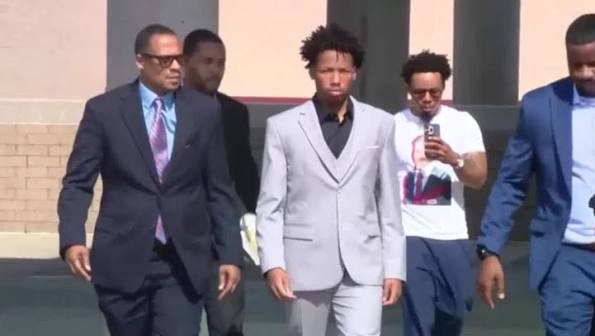
Austin then attempted to move or push Anthony. Anthony pulled a folding knife and stabbed him once in the chest. The wound proved fatal. Austin’s twin brother, Hunter, witnessed the aftermath as emergency responders attempted to save him. Jeff Metcalf later said that hearing Hunter’s cries in the police body-camera evidence was among the most painful moments of the trial.
Anthony was detained at the stadium.In footage released after the trial, he could be heard crying and saying that Austin had put his hands on him despite being warned not to do so. Anthony maintained that he had acted in self-defense. Prosecutors argued that being pushed did not justify using deadly force. The jury agreed. On June 9, 2026, after a trial that lasted little more than a week, jurors convicted Anthony of murder. They later rejected an argument that he had acted under “sudden passion” and sentenced him to 35 years in prison. He may become eligible for parole consideration after serving approximately half of that term, though eligibility does not guarantee release.