FROM JAGUAR PAW TO LIFE BEYOND THE SPOTLIGHT: THE UNTOLD STORY OF RUDY YOUNGBLOOD
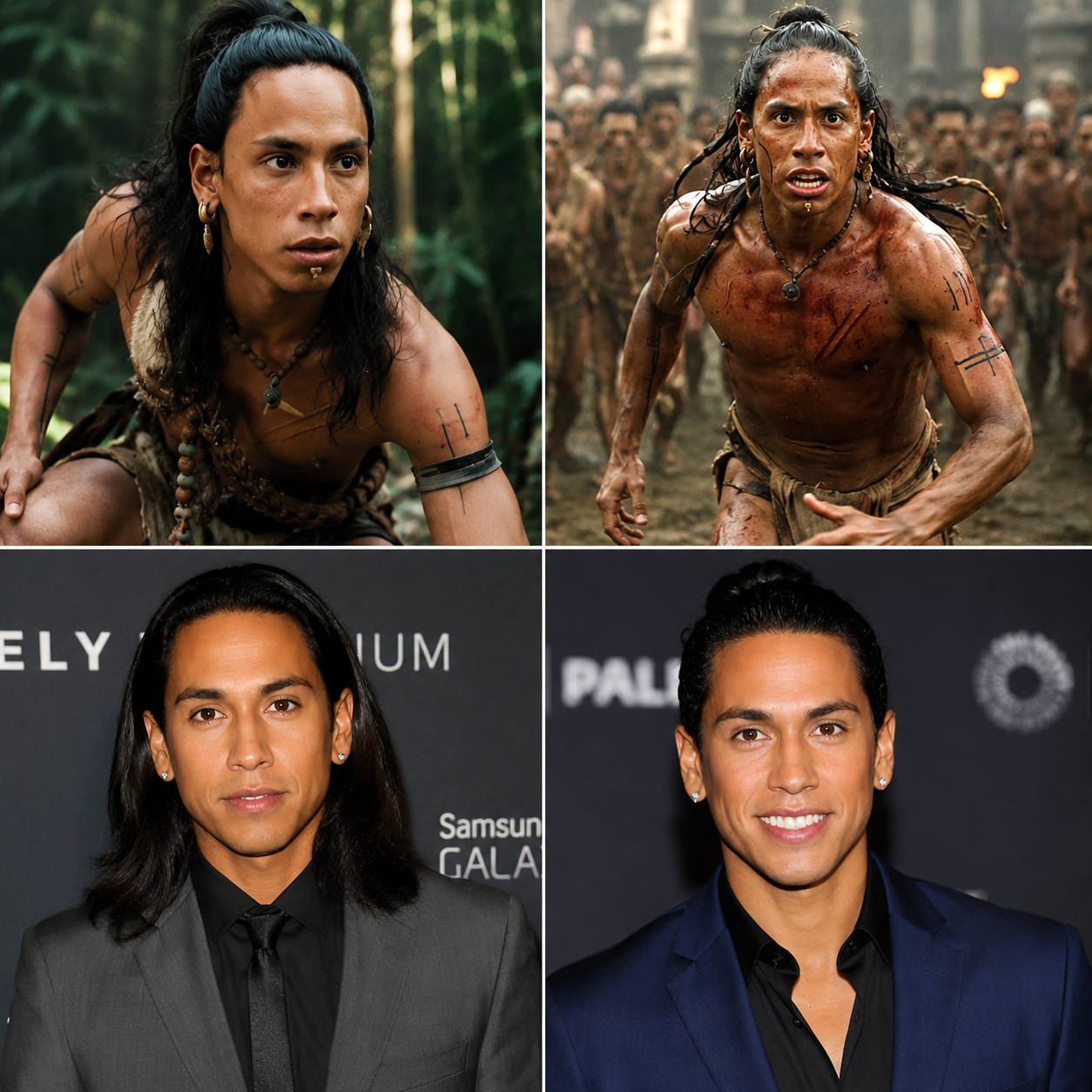
Nearly two decades after Apocalypto stormed into theaters, the image of Jaguar Paw remains unforgettable. Running barefoot through the jungle, wounded but refusing to surrender, Rudy Youngblood transformed a relatively unknown actor into the face of one of the most intense survival films of the 2000s.
Released in December 2006, Apocalypto was directed and co-written by Mel Gibson, with Farhad Safinia also receiving a writing credit. Set in Mesoamerica during the decline of the Maya civilization, the film follows Jaguar Paw, a young hunter whose peaceful life is destroyed when his village is attacked. Captured and taken toward a powerful Maya city, he faces a terrifying struggle for survival.
What made Apocalypto unusual was its commitment to authenticity in presentation. The film was performed almost entirely in Yucatec Maya, allowing the story to unfold without relying on conventional Hollywood dialogue. Instead, the actors had to communicate through movement, facial expressions, fear, determination and physical performance.
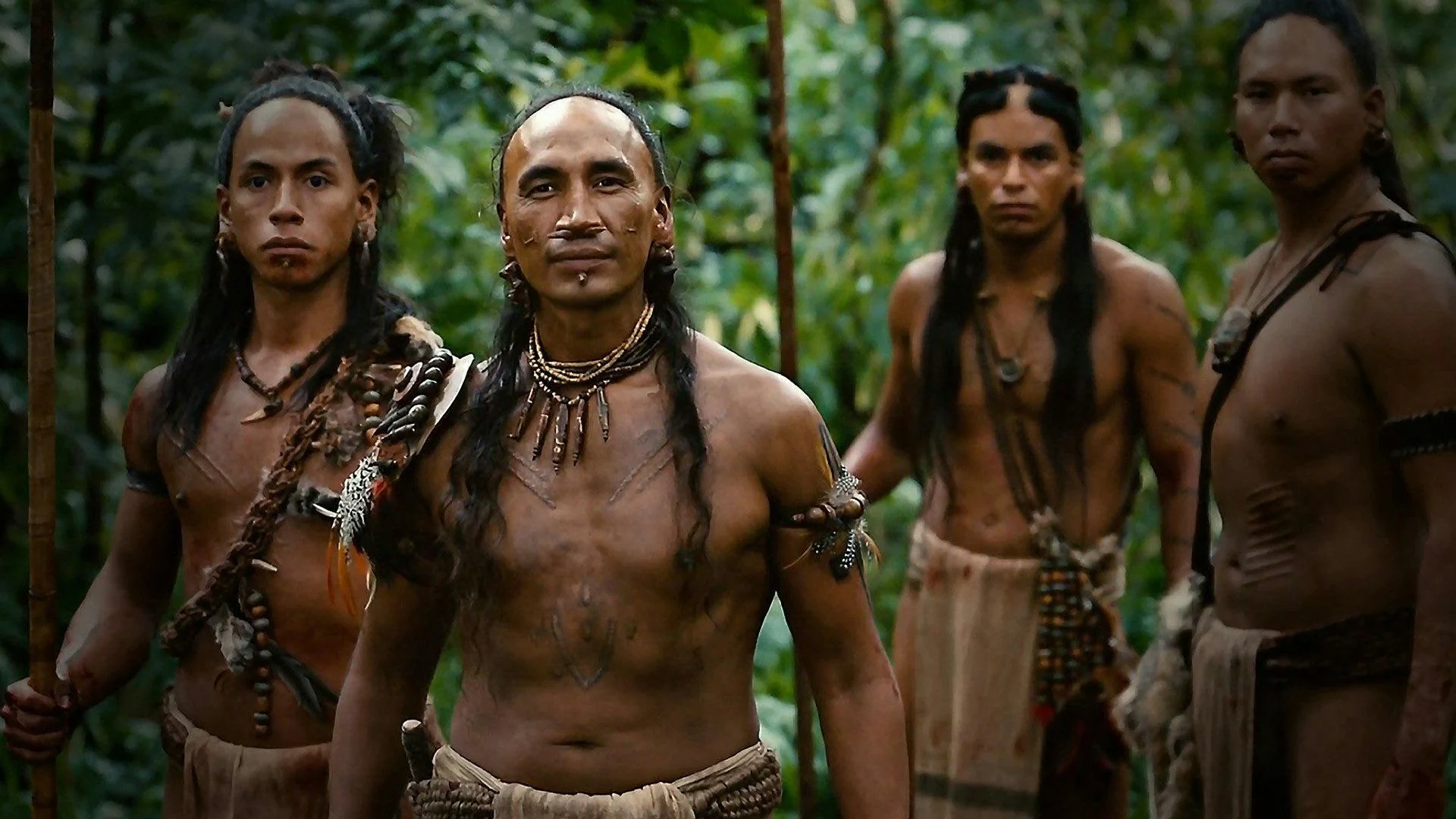
For Rudy Youngblood, that challenge was enormous.
Before Apocalypto, Youngblood was not a major Hollywood star. His background was connected to Native American dance and performance, and he had been pursuing opportunities in Los Angeles. His selection for the role of Jaguar Paw became a remarkable turning point in his career.
Youngblood’s performance demanded extraordinary physical commitment. Jaguar Paw spends much of the movie running, climbing, fighting and escaping through dangerous terrain. Yet the character is not simply trying to survive for himself. His greatest motivation is his family.
Before being captured, Jaguar Paw hides his pregnant wife and young son in a deep pit, promising that he will return. When he escapes from his captors, his entire journey becomes a desperate race against time. Every step through the jungle carries the same purpose: get back to his family before it is too late.
That emotional core helped make the character memorable.
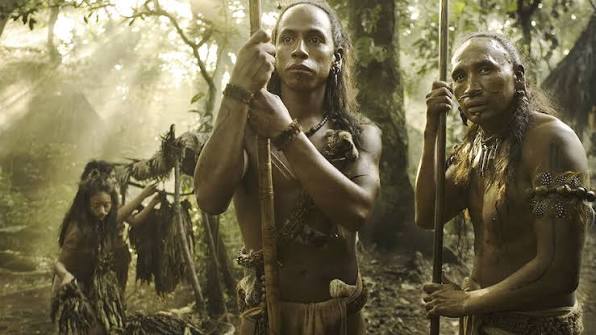
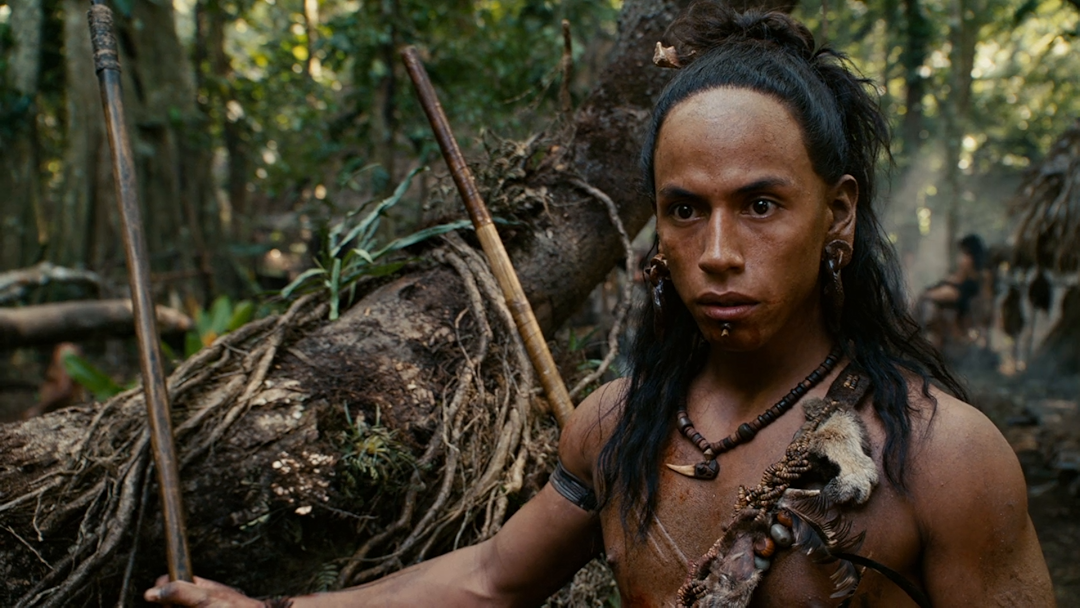
Rather than portraying Jaguar Paw as an invincible action hero, Youngblood gives him vulnerability. He is frightened, exhausted and injured, but repeatedly forces himself forward. His silence often becomes more powerful than dialogue. The audience understands what he is thinking simply by watching his face and body language.
The film itself became a major international success. Produced on a reported budget of around $40 million, Apocalypto ultimately earned more than $120 million worldwide. It also received attention for its cinematography, action sequences and unusual approach to historical filmmaking.
At the same time, the movie generated controversy. Historians and Indigenous scholars debated its depiction of Maya society and whether certain elements represented the historical period accurately. Despite those criticisms, its visual style and relentless storytelling left a lasting impression on audiences.
For Youngblood, however, Apocalypto remained the defining chapter of his acting career.
He later appeared in other film and television projects, including Wind Walkers, Crossing Point, Hell on the Border and The Haunting of Hell Hole Mine. But none would have the same cultural impact as Jaguar Paw.
The contrast between Youngblood’s appearance in Apocalypto and his later public appearances is striking. In the film, he is covered in dirt, scars and traditional body markings, with long hair and tribal jewelry. Away from the jungle, he has appeared in modern clothing, tailored suits and a much more polished style.
Yet beneath those changes, audiences still recognize the same actor who once ran through the jungle with nothing but determination keeping him alive.
Today, Apocalypto remains one of those films whose central character is almost impossible to forget. And Rudy Youngblood’s Jaguar Paw stands at the heart of that legacy — a character who had almost no need for traditional Hollywood heroics.
He simply had one goal: survive long enough to get home.
Nearly 20 years later, that journey still resonates with audiences around the world.