NOLAN WELLS CASE TAKES A SHOCKING TURN: THE PHONE THAT COULD HOLD THE FINAL ANSWERS STILL HASN’T BEEN EXAMINED

The investigation into the death of 18-year-old Nolan Wells has entered another tense phase, with one of the most potentially important pieces of evidence in the case still sitting at the center of a dispute.
More than a month after Wells disappeared during a Fourth of July trip to Horn Island, Mississippi, his cellphone has still not undergone the forensic examination that both sides previously discussed. The development has triggered renewed questions about what investigators may be able to learn from the device—and why the examination has not yet happened.
Wells disappeared after traveling with friends to Horn Island on July 4. His body was discovered on July 6. Authorities initially believed drowning was the likely explanation and said there was no confirmed evidence of foul play. But the circumstances surrounding Wells’ final hours have continued to raise questions for his family, who have repeatedly demanded a deeper investigation.
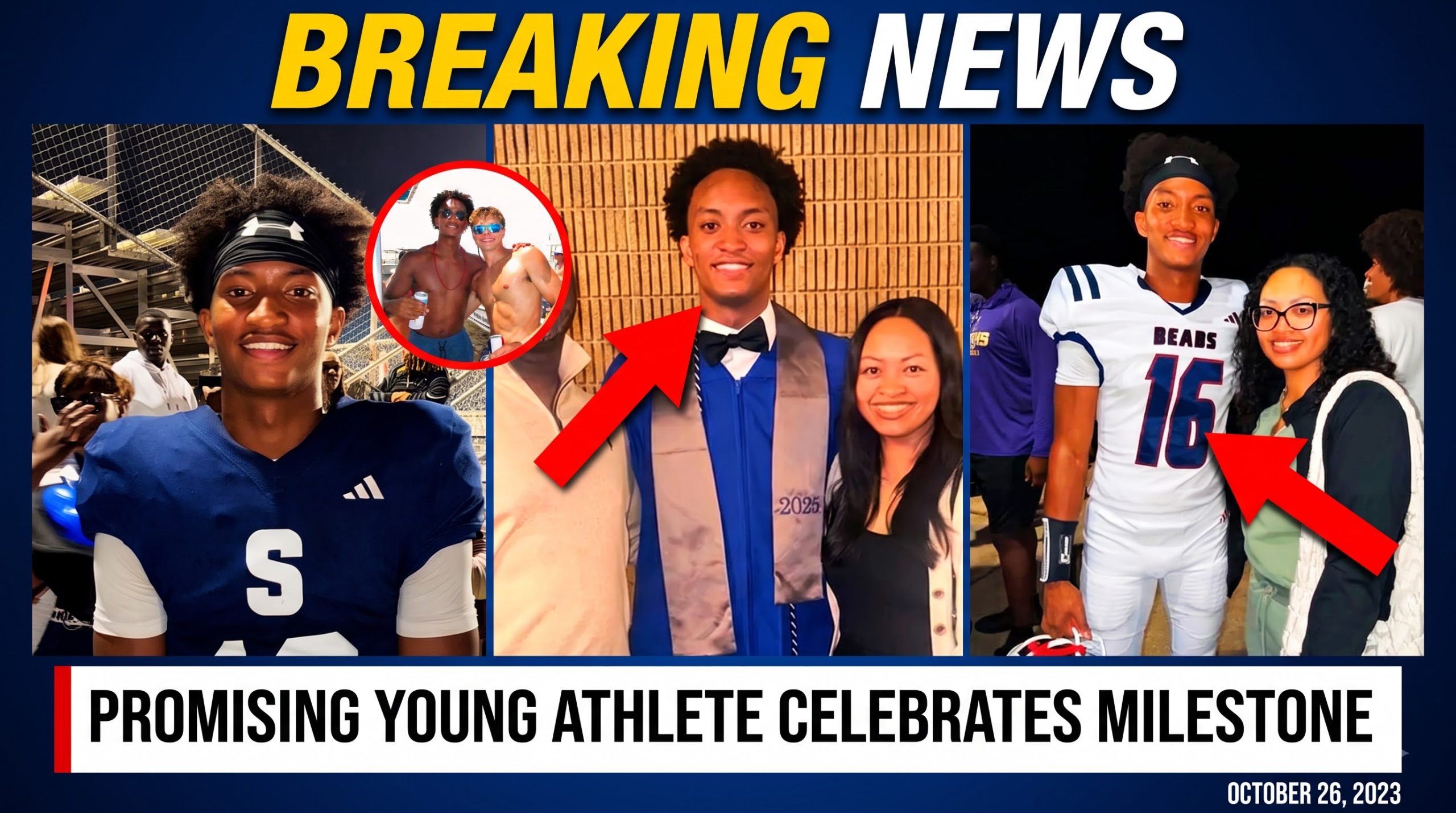
Now, the cellphone has become one of the most closely watched pieces of evidence.
According to a letter from the Wells family’s legal team, the parents have not refused to cooperate with investigators. Instead, their attorneys say the family remains willing to provide the phone for a jointly coordinated forensic examination, but wants the parties to first agree on a detailed protocol governing how the device will be handled, copied and analyzed.
The dispute is particularly significant because the two sides reportedly discussed a forensic examination during a July 15 meeting.
The proposed examination was expected to involve the Digital Forensics Lab at Mississippi Gulf Coast Community College, with possible FBI participation. According to the family’s attorneys, the protocol was supposed to establish how the evidence would be preserved, how the extraction would be conducted and who would have access to the resulting data.
But weeks later, the examination still had not taken place.
The district attorney’s office subsequently demanded that the phone be turned over to local law enforcement. The family’s lawyers pushed back, arguing that this was inconsistent with their understanding of the earlier agreement.
That disagreement has created an unusual situation: both sides say they want the phone examined, but they disagree over the conditions under which that examination should occur.
Why does the device matter so much?

The phone may potentially contain information about Wells’ communications, movements, contacts and activity before his disappearance. Investigators could potentially examine messages, call records, photographs, location information and deleted data, depending on what remains recoverable.
The family has also questioned the apparent lack of expected July 4 material on the phone.
That does not establish that anyone deleted evidence or tampered with the device. But from an investigative standpoint, missing or deleted digital information can become important if investigators can establish when and how it disappeared.
There is another controversial detail.
Wells’ friends have said he left his phone behind while remaining on the island. They have maintained that Wells wanted to stay at the party because he had met a girl and believed he had another way to return. In a newly published interview, friends Jax Pitalo, Morgan Seymour and Warren Hudson again described that version of events.
Wells’ parents have questioned whether that behavior was consistent with their son.
At the same time, investigators have not publicly concluded that leaving the phone behind was evidence of criminal activity.
That distinction matters.
The phone could ultimately provide important information—but until it is forensically examined, nobody can say what it contains or whether it will answer any of the questions surrounding Wells’ final hours.
The situation is unfolding alongside another major development: the official autopsy has been completed, but its findings have not been released publicly. The report is expected to go before a Jackson County grand jury.
A separate independent autopsy commissioned by the family previously failed to determine a cause or manner of death. It found no severe injuries but identified a large area of red discoloration on the back of Wells’ head and neck, prompting calls for additional investigation. The independent examination also faced limitations because of the condition of the remains and the inability to examine certain structures fully.
Meanwhile, the Congressional Black Caucus has formally asked the U.S. Department of Justice and FBI to conduct an independent federal review of Wells’ disappearance and death.
For the Wells family, the unanswered questions are becoming harder to live with.
For investigators, the next major steps may depend on evidence that has not yet been publicly disclosed.
And for the public, one question remains hanging over the case:
What will investigators find when Nolan Wells’ phone is finally examined?