Neurosurgery and Faith: The Powerful Story of Five Children Operated on Aboard the Africa Mercy
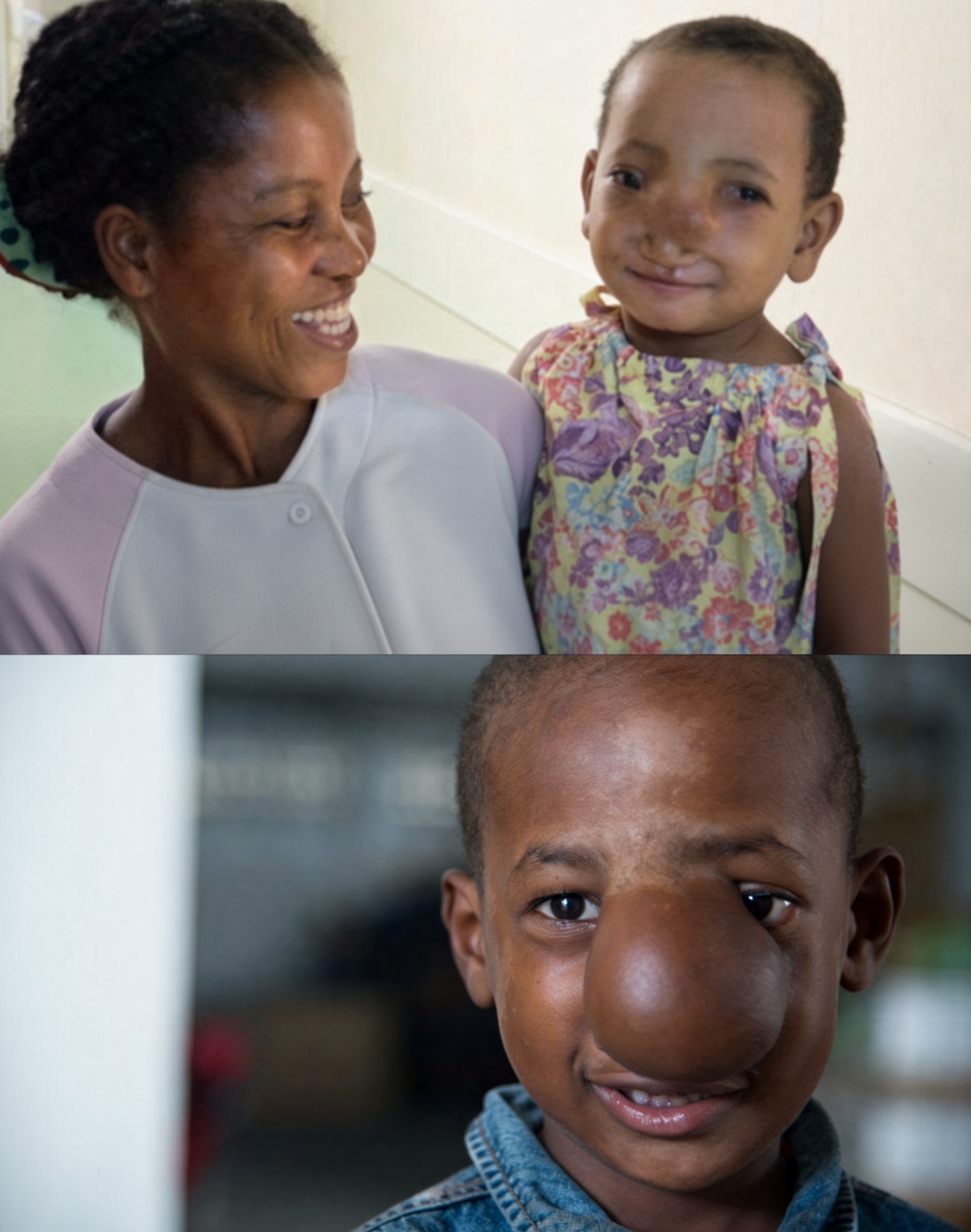
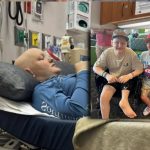
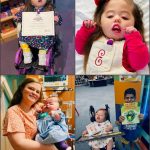
During a Mercy Ships mission in Madagascar, the triage team evaluated five children — including little Dali and Vincent — with severe frontal encephaloceles. In this critical condition, brain tissue and cerebrospinal fluid protrude through gaps in the craniofacial bones, placing the children at imminent risk of life-threatening meningitis and progressive blindness from orbital compression.
Although the hospital ship initially lacked the specialized neurosurgical infrastructure needed for cases of this magnitude, and the children had to return home while waiting for an opportunity, the perseverance of operating room supervisor Missy Brown made the difference. She coordinated the voluntary arrival of pediatric neurosurgeon Dr. Shailendra Magdum.
In marathon surgeries lasting up to seven hours per patient, the specialist team carefully repositioned the brain tissue, sealed the dura mater, and reconstructed the craniofacial structures of all five children. The complex procedures saved their lives and restored hope for a healthier future to their families.
Frontal encephaloceles are rare congenital defects that require highly specialized surgical expertise. Without intervention, they carry serious risks of infection, neurological damage, and vision loss. Mercy Ships, through its hospital vessel the Africa Mercy, has developed refined techniques for managing large frontoencephaloceles in resource-limited settings, often performing single-stage reconstructions that address both the functional defect and the associated facial deformities.
The successful outcomes for these five young patients stand as a testament to medical skill, coordinated volunteer efforts, and the determination to bring advanced surgical care where it is most needed. What began as a desperate medical challenge became a story of restoration and renewed possibility.
Sources
- Account of the five children (including Dali and Vincent) with severe frontal encephaloceles evaluated during a Mercy Ships mission in Madagascar, the coordination by operating room supervisor Missy Brown, and the complex surgeries performed by pediatric neurosurgeon Dr. Shailendra Magdum.
- Medical literature on Mercy Ships’ surgical approach to large frontoencephaloceles, including techniques for brain tissue repositioning, dural closure, and craniofacial reconstruction (e.g., published descriptions of single-stage methods used by the organization).