Born Without a Nose, Tessa Evans Defies Extremely Rare Condition with Bright Spirit
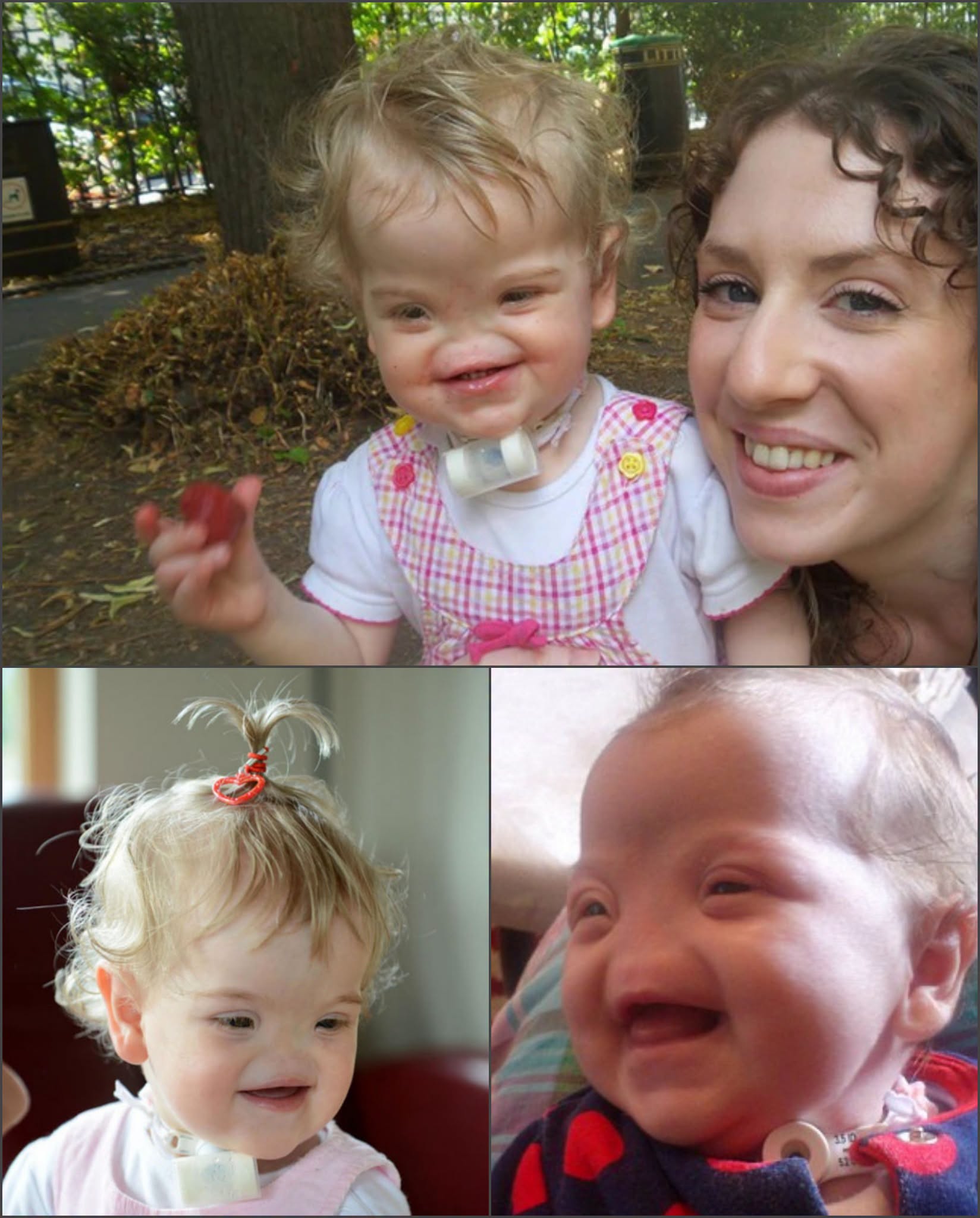
Tessa Evans entered the world on Valentine’s Day 2013 in Maghera, Northern Ireland, without a nose. She was born with congenital arhinia, part of the ultra-rare Bosma arhinia microphthalmia syndrome (BAM syndrome). The condition means her nose, nasal cavities, and sinuses never developed. Fewer than 100 cases have been recorded worldwide.
Her parents, Gráinne and Nathan Evans, faced an unexpected reality after what had appeared to be a normal pregnancy. Early ultrasound findings of a flat facial profile had raised concerns, but further tests had been reassuring. At birth, Tessa required immediate breathing support and spent weeks in intensive care. As a young infant she underwent a tracheostomy to help her breathe and eat more safely. She has no sense of smell, though she can still sneeze, cough, and catch colds. Eye complications, including cataracts, also required treatment.
Despite the medical intensity of her first years, Tessa’s personality shone through. Family and those who met her often described a determined, joyful toddler who climbed furniture, danced, and charmed everyone around her. Some outsiders nicknamed her “Little Voldemort” because of her appearance, yet her parents and supporters focused instead on her resilience and the ordinary childhood joys she pursued.
At age two, Tessa became one of the first patients to receive a pioneering procedure at Great Ormond Street Hospital in London. Surgeons used 3D-printing technology to create a custom nasal implant placed under the skin, forming a bridge and giving her face a more defined profile. The implant is replaced periodically as she grows, with the goal of a more permanent reconstruction in her teenage years. Additional surgeries have addressed related issues such as tear ducts.
Now a teenager, Tessa continues to live fully. She attends school, enjoys music, animals, and trampolining, and has spoken about looking forward to further refinements of her nasal reconstruction. Her family shares updates openly, emphasizing that her condition does not define her limits. Through repeated hospital stays and public attention, Tessa has remained a confident, smiling girl whose story highlights both the challenges of an extraordinarily rare diagnosis and the power of a resilient spirit.
Sources
- BBC News coverage of Tessa’s early surgery and 3D nasal implant procedure (2015)
- Family accounts and interviews with Gráinne Evans describing the diagnosis of congenital arhinia / BAM syndrome and ongoing care
- Reports from Great Ormond Street Hospital-related coverage and later updates on implant procedures
- Contemporary features and social media presence documenting Tessa’s development, personality, and medical journey