Christian Brückner Walked Free From Prison — But the Madeleine McCann Investigation Did Not End With His Release
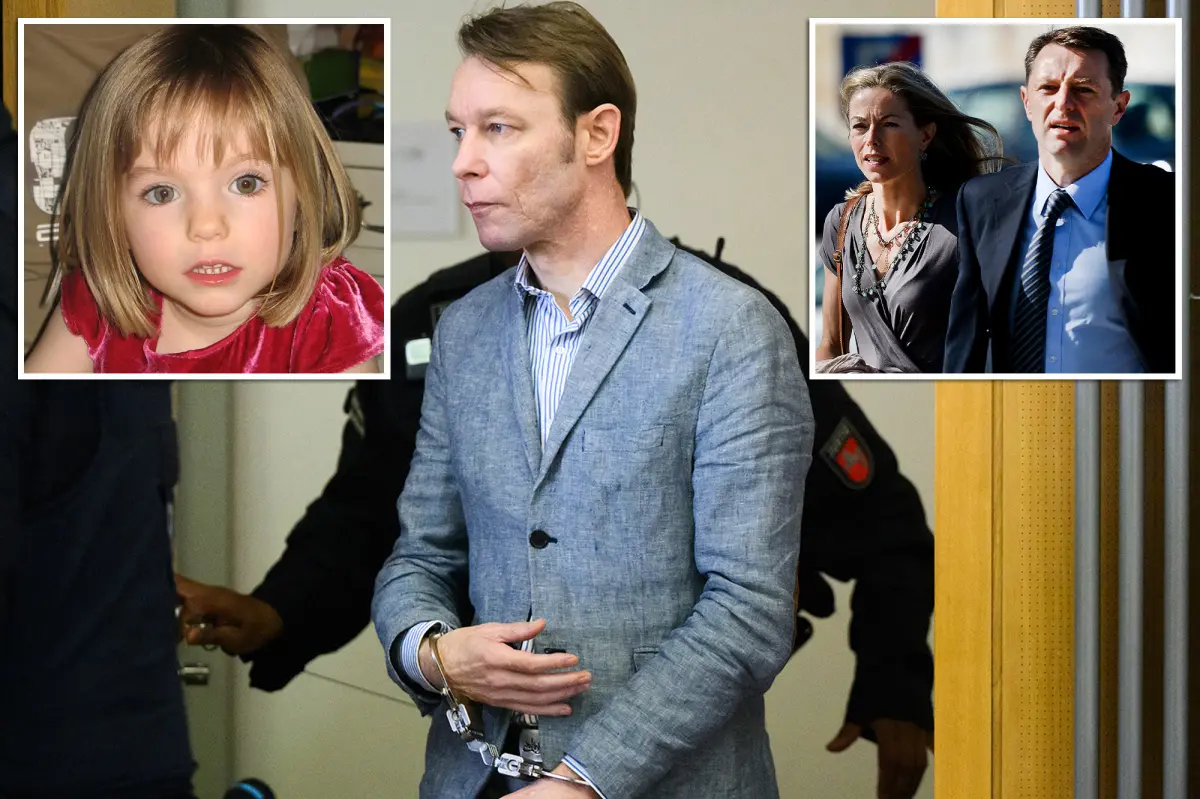
For years, Christian Brückner was behind bars while investigators in three countries tried to determine whether they could connect him to one of the world’s most famous missing-child cases.
Then, in September 2025, the clock ran out.
Brückner completed his prison sentence in Germany and was released.
The sentence had nothing to do with Madeleine McCann.

Yet his release created an extraordinary situation: the man German authorities had publicly identified as their principal suspect in Madeleine’s disappearance was free, while prosecutors still had not charged him with any crime involving the missing British girl.
Nearly a year later, that fundamental legal reality remains unchanged.
Brückner continues to deny involvement.
He has not been charged in Madeleine’s disappearance.
But investigators have not moved on from him either.
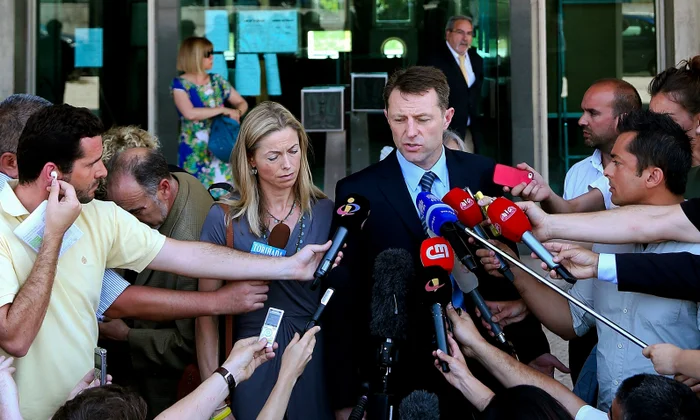
Instead, new reports in 2026 indicate British detectives have received additional investigative material from Germany as the case approaches a milestone almost impossible to comprehend:
Twenty years without Madeleine.
The Man Investigators Have Focused on for Years
Madeleine McCann was 3 years old when she disappeared from her family’s holiday apartment in Praia da Luz, Portugal, on May 3, 2007.
Her parents, Kate and Gerry McCann, were dining at a nearby restaurant with friends while Madeleine and her younger twin siblings slept inside.
When Kate returned to check on the children, Madeleine was gone.
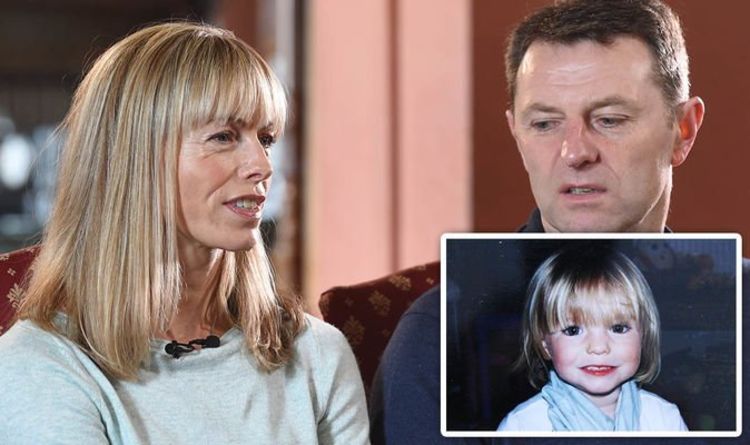
The disappearance triggered an international investigation, thousands of reported sightings and years of competing theories.
Then, in 2020, German investigators publicly revealed a major new direction.
Their focus was Christian Brückner.
Brückner had lived intermittently in Portugal’s Algarve between 1995 and 2007 and had spent time around Praia da Luz.
German prosecutors subsequently said they believed Madeleine was no longer alive and suspected Brückner was responsible.

But suspicion is not a criminal charge.
That distinction has remained crucial ever since.
Brückner denies having anything to do with Madeleine’s disappearance, and prosecutors have never brought a Madeleine-related case against him.
His Prison Sentence Was for a Completely Separate Crime
When PEOPLE reported in September 2025 that Brückner was approaching his release date, he was serving a seven-year sentence for the rape of a 72-year-old American woman in Portugal in 2005.
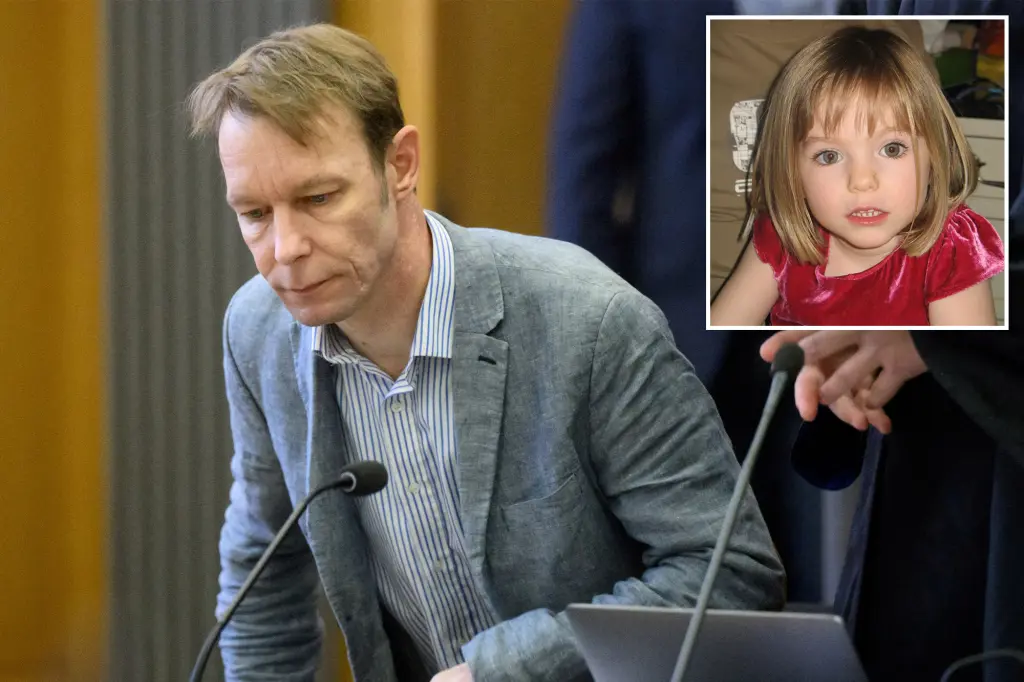
The crime occurred in Praia da Luz, the same Portuguese resort town where Madeleine would disappear two years later.
But the cases were legally separate.
Brückner’s imprisonment therefore gave investigators time to continue examining the Madeleine case, but they could not keep him incarcerated simply because they suspected him of another crime for which he had not been charged.
By September 2025, his sentence was almost complete.
British investigators made one more notable move before he walked free.
British Police Wanted to Question Him Before His Release
Scotland Yard submitted a formal international request seeking to interview Brückner in connection with Operation Grange, the Metropolitan Police investigation into Madeleine’s disappearance.
Brückner refused.
Police confirmed that the request had been rejected by the suspect.
His refusal did not establish guilt, and he was under no obligation to provide investigators with the answers they wanted.
But it meant British detectives lost an opportunity to question him directly before his release.
On September 17, 2025, Brückner left prison.
Freedom Came With Restrictions
Leaving prison did not mean Brückner returned to completely unrestricted life.
German authorities imposed supervision measures following his release, including an electronic ankle monitor and reporting requirements.
His movements and living arrangements subsequently attracted intense media attention.
Yet none of those restrictions represented punishment for Madeleine’s disappearance.
Legally, Brückner remained what he had been before leaving prison: a suspect who had not been charged in her case.
That left investigators confronting a difficult question.
If they believed Brückner was responsible, could they ever assemble enough admissible evidence to prove it?
Investigators Had Already Returned to Portugal
Only months before Brückner’s release, German and Portuguese authorities conducted another significant search in the Algarve.
In June 2025, investigators examined scrubland and abandoned structures between Praia da Luz and locations associated with Brückner.
Heavy machinery and ground-penetrating equipment were used.
The operation demonstrated that authorities were still actively pursuing physical evidence nearly 18 years after Madeleine disappeared.
But no Madeleine-related charge followed the search.
And when Brückner eventually left prison, the case remained unresolved.
Then Came a Significant Development in 2026
The story did not stop with Brückner’s release.
This summer, reports indicated that detectives working on Britain’s Operation Grange had received an extensive dossier of material assembled by German investigators.
The files reportedly include photographs, witness information and other investigative material associated with Brückner.
The Metropolitan Police has confirmed that Operation Grange remains ongoing and that British investigators continue communicating with their German and Portuguese counterparts.
What has not been officially established is equally important.
The reported dossier does not mean prosecutors have approved charges.
It does not establish Brückner’s guilt.
And it does not mean investigators finally possess the evidence necessary to bring him to trial.
It means evidence accumulated during years of German investigative work is receiving additional scrutiny in Britain.
Could Old DNA Evidence Still Change the Case?
Another possibility has emerged as forensic technology continues advancing.
Evidence collected during the original investigation dates back to 2007.
DNA analysis has changed substantially since then, raising questions about whether older biological material could potentially be re-examined using techniques unavailable to investigators at the time.
Recent reporting has highlighted the possibility of renewed DNA analysis.
But there is an important difference between scientific possibility and an investigative breakthrough.
There has been no public announcement that new DNA testing has conclusively connected Brückner — or anyone else — to Madeleine’s disappearance.
Nineteen Years of Investigation Have Produced Suspicion — But Not a Prosecution
That may be the most striking aspect of the case today.
Police in Britain, Germany and Portugal have spent years investigating.
Searches have been conducted across the Algarve.
Witnesses have been interviewed and re-interviewed.
Digital records and telephone information have been examined.
Properties and locations associated with Brückner have received intense scrutiny.
German authorities have publicly expressed their belief that he was responsible.
Yet nearly two decades after Madeleine disappeared, no prosecutor has brought a Madeleine-related criminal charge against him.
That does not prove Brückner is innocent.
It also does not prove he is guilty.
It demonstrates the enormous legal distance between investigators believing they know what happened and possessing evidence capable of proving it in court.
Madeleine Would Be 23 Today
The passage of time is perhaps clearest when looking beyond Brückner entirely.
Madeleine was 3 when she disappeared.
She would now be 23.
Her younger twin siblings, Sean and Amelie, who were asleep in the same apartment that night, are now adults.
The photograph recognized around the world remains an image of a little girl who never had the opportunity to grow older in public.
For Kate and Gerry McCann, every new search, suspect and investigative development ultimately returns to the same question they have lived with since May 2007.
Where is their daughter?
His Release Was Not the End of the Story
When PEOPLE reported that Brückner was about to leave prison in September 2025, his approaching freedom seemed capable of becoming a turning point in the investigation.
In one sense, it was.
Authorities lost the certainty of knowing their principal suspect was behind bars.
But his release did not make the investigation disappear.
Almost a year later, British detectives are examining additional material from their German counterparts.
Operation Grange remains active.
Modern forensic techniques may provide opportunities investigators did not possess in 2007.
And Brückner remains at the center of intense investigative attention.
But one fact must remain separate from every theory surrounding him:
Christian Brückner has not been charged in connection with Madeleine McCann’s disappearance and continues to deny involvement.
Until prosecutors can cross that legal threshold — or investigators establish that someone else was responsible — the Madeleine McCann case remains what it has been for more than 7,000 days.
Unresolved.
The prison gates opened for Christian Brückner in September 2025.
For the investigation into what happened to Madeleine, they did not close.
Main Sources: PEOPLE, Reuters, The Guardian, A&E