Second Nancy Guthrie Ransom Note Made a Devastating Claim — Six Months Later, Investigators Still Cannot Confirm It

For months, one of the darkest pieces of information in the Nancy Guthrie investigation remained largely hidden from the public.
Investigators knew about it.
Members of the Guthrie family knew about it.
But the public did not know exactly what it said.

Just days after Nancy disappeared from her Arizona home, a second message arrived making a devastating claim: the 84-year-old mother of “TODAY” co-anchor Savannah Guthrie was no longer alive.
At the time, authorities could not verify that statement.
More than six months later, they still cannot.
Nancy has not been found.
No publicly identified suspect has been arrested for her abduction.
And despite the disturbing details contained in two ransom communications now released by authorities, investigators have not established whether the person who wrote them actually knows what happened to her.
That uncertainty has transformed the letters into one of the most intriguing — and frustrating — pieces of evidence in the entire investigation.
The First Message Offered Hope
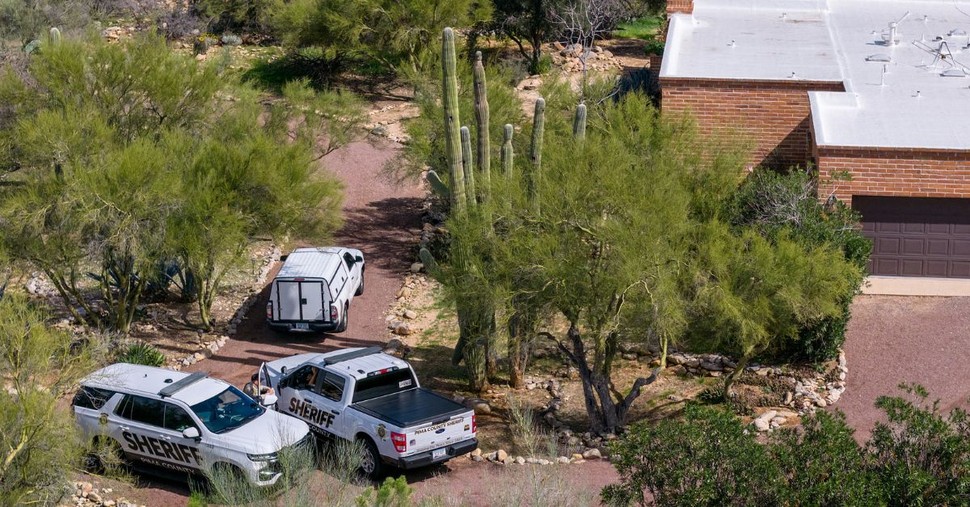
Nancy was last seen at her Catalina Foothills home near Tucson on the evening of January 31.
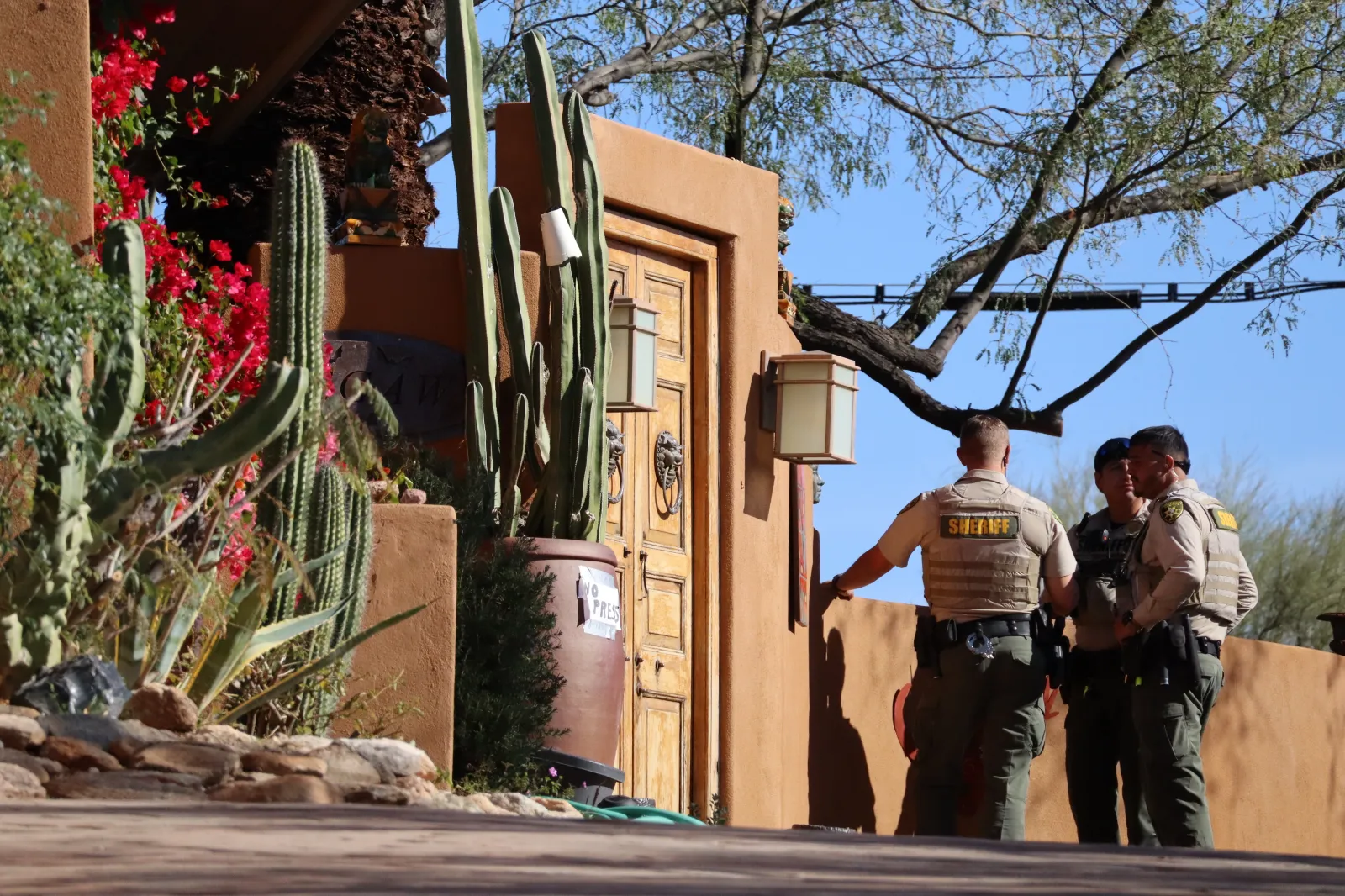
Authorities believe she was taken from the residence during the early hours of February 1.
Evidence discovered at the property quickly convinced investigators they were dealing with an abduction rather than a voluntary disappearance.
Then, on February 2, a message arrived through the tip portal of Tucson television station KOLD.
The first ransom note appeared to offer something Nancy’s family desperately wanted:
Hope that she was still alive.
The writer demanded millions of dollars in Bitcoin in exchange for her safe return.
The message contained specific information investigators considered potentially significant, including references to items or circumstances associated with Nancy’s home.
Authorities took the communication seriously enough to investigate it with the FBI.
But only four days later, the story changed dramatically.

The Second Note Told a Completely Different Story
A second communication arrived on February 6.
Instead of demanding money for Nancy’s return, its writer claimed the opportunity to bring her home alive had already disappeared.
According to the version later released by the sheriff’s department, the writer said Nancy had died shortly after being taken.
The message blamed her physical condition and lack of medication and claimed her death had not been intended.
Most disturbingly, the writer indicated that Nancy had subsequently been left somewhere outdoors.
When PEOPLE first reported the existence of this second note in June, the full contents had not yet been released.
Sources familiar with the investigation told NBC News at the time that the communication claimed Nancy had died and contained no new ransom demand.
Authorities believed the same person or group likely authored both communications, according to reporting at the time.
But believing the notes are connected is very different from proving the claims inside them are true.
Investigators Still Have No Confirmation Nancy Died
This is perhaps the most important fact surrounding the second message.
Nancy’s body has not been recovered.
Investigators have not publicly announced forensic evidence establishing her death.
And the sheriff’s department has not treated the writer’s claim as definitive proof of what happened.
The note could contain genuine information from someone involved in Nancy’s disappearance.
It could contain a mixture of truth and deception.
Or its writer could be attempting to manipulate the family and investigators.
Until authorities can independently corroborate its contents, the message remains evidence to investigate — not a confirmed account of Nancy’s fate.
AP reported when the notes were publicly released that authorities still had not confirmed Nancy was dead.
The Sheriff’s Comments Created Another Controversy
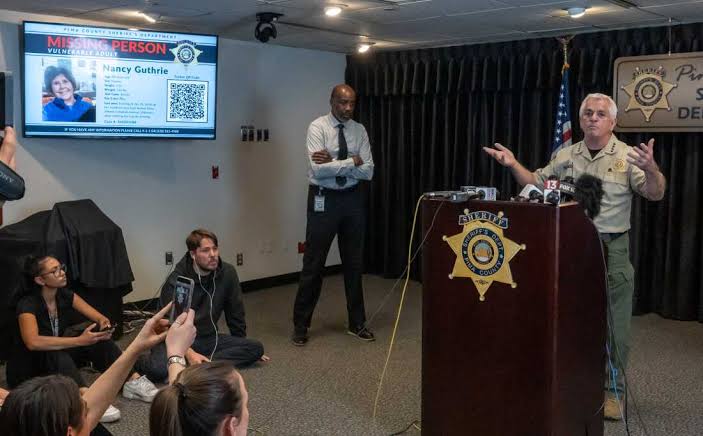
The eventual release of the letters also produced an unexpected problem for Sheriff Chris Nanos.
One day before the documents became public, Nanos told CBS News that investigators had nothing indicating Nancy was dead and specifically referenced not having a note supporting such a conclusion.
Then the department released the second message.
It plainly contained a claim that Nancy had died.
The contradiction generated immediate questions about transparency.
Nanos later explained that the message contained an unverified claim and that he had been attempting to protect Nancy’s family rather than publicly repeat something investigators could not prove.
Still, the episode added another layer of controversy to an investigation already facing scrutiny over its early handling.
Why Release the Notes After Keeping Them Private for Months?
The sheriff’s department eventually decided that the language itself could become an investigative tool.
Authorities believe the writer used distinctive vocabulary and sentence construction that someone familiar with that person might recognize.
That approach has precedent in major criminal investigations.
Rather than asking the public only whether they recognize a face or vehicle, investigators are effectively asking:
Do you recognize the way this person writes?
The sheriff’s department released both communications in hopes that a relative, coworker, friend or acquaintance might recognize unusual expressions or linguistic habits.
The strategy produced at least some response.
Investigators reported a slight increase in tips after the notes became public.
Every credible tip still has to be evaluated and compared against the enormous amount of evidence already accumulated in the case.
The Notes Contained Details About Nancy’s Home
Part of what made the communications particularly interesting to investigators was their apparent knowledge of details surrounding Nancy and her property.
ABC News reported that the notes referenced a smartwatch near Nancy’s bed and a damaged floodlight outside the home.
Details like those could potentially matter because investigators can compare them against evidence from the crime scene.
But even accurate information does not automatically prove the writer was the abductor.
Investigators must determine whether such details were publicly available, could have been learned indirectly or demonstrate knowledge only someone connected to the crime would reasonably possess.
Surveillance Evidence Provides a Different Kind of Clue
While the ransom notes offer words, investigators also possess images.
Doorbell surveillance footage captured suspicious activity at Nancy’s property around the time she disappeared.
Authorities have released imagery of a masked and armed individual at the home.
That evidence has helped investigators develop the theory that the abduction was planned rather than spontaneous.
The challenge is connecting different pieces of the investigation.
Is the person captured on video the person who wrote the notes?
Did someone else compose the messages?
Were multiple people involved?
Authorities have not publicly answered those questions.
The Case Has Produced False Leads Before
Investigators also have another reason to treat ransom communications cautiously.
High-profile cases attract hoaxes.
During the early investigation, authorities dealt with individuals accused of attempting to exploit Nancy’s disappearance through false ransom-related claims.
That means investigators cannot assume that every person claiming knowledge actually possesses it.
Authenticating the February communications therefore requires much more than analyzing what the writer says.
Investigators must compare the notes against forensic evidence, digital records, surveillance material and information known about the crime.
Only then can they determine how much weight the messages deserve.
Six Months Later, Nancy Is Still Missing
The release of the ransom notes generated renewed attention and additional tips.
But it did not solve the case.
Nancy remains missing.
Investigators have not announced an arrest connected to her abduction.
The sheriff’s department and FBI continue reviewing evidence, surveillance footage and information submitted by the public.
And Nancy’s family continues asking anyone with genuine knowledge to come forward.
At the six-month mark, Savannah made another public appeal emphasizing that her family still wants answers.
A combined reward of approximately $1.1 million has been offered, including $1 million from the Guthrie family and $100,000 from the FBI for qualifying information.
A New Discovery on August 18 Briefly Raised Another Question
The investigation received another burst of attention today after human remains were discovered in a desert area approximately 15 miles from Nancy’s home.
Given the second ransom note’s claim that Nancy had been left outdoors, the discovery inevitably generated speculation.
But authorities moved quickly to separate the two cases.
The Pima County Sheriff’s Department said there is no indication the remains are connected to Nancy’s disappearance and that they appeared to have been at the location for an extended period.
That development is a particularly important reminder of why the second ransom note cannot be treated as established fact.
A disturbing claim can point investigators toward possibilities.
It cannot replace evidence.
The Writer May Know Everything — Or May Want Investigators to Think They Do
That is ultimately the mystery surrounding the two communications.
The first writer claimed Nancy could be returned safely for money.
Four days later, the second said it was already too late.
Both messages contained information investigators considered important enough to preserve, analyze and eventually release publicly.
But neither has provided the one thing Nancy’s family needs most:
Proof.
There has been no publicly disclosed proof of life.
There has been no confirmed recovery of Nancy.
And there has been no forensic confirmation of the second writer’s claim about her fate.
More than six months after Nancy disappeared, investigators are therefore left with an extraordinary contradiction.
They possess a message claiming to explain what happened.
Yet they still do not know whether to believe it.
Until the writer is identified, the claims are independently corroborated or Nancy herself is found, the second ransom note remains exactly what it was when investigators first received it on February 6:
A potentially important clue — but not the answer.
Main Sources: PEOPLE, Associated Press, ABC News, CBS News