Lindsay Clancy’s Mother Reveals the Warning She Heard Weeks Before Her Three Children Died
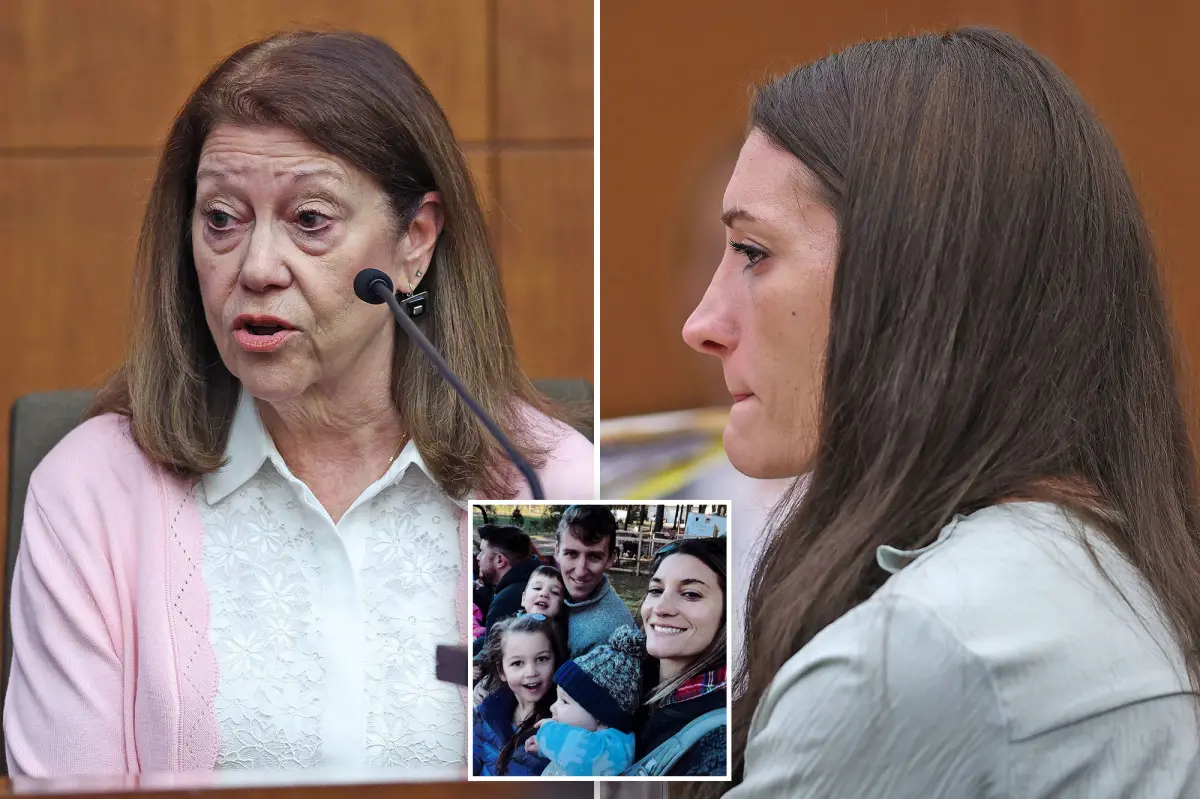
For three weeks, prosecutors in Lindsay Clancy’s Massachusetts murder trial attempted to reconstruct what happened inside her Duxbury home on January 24, 2023.
They presented medical records.
Internet searches.
Phone and Apple Watch data.
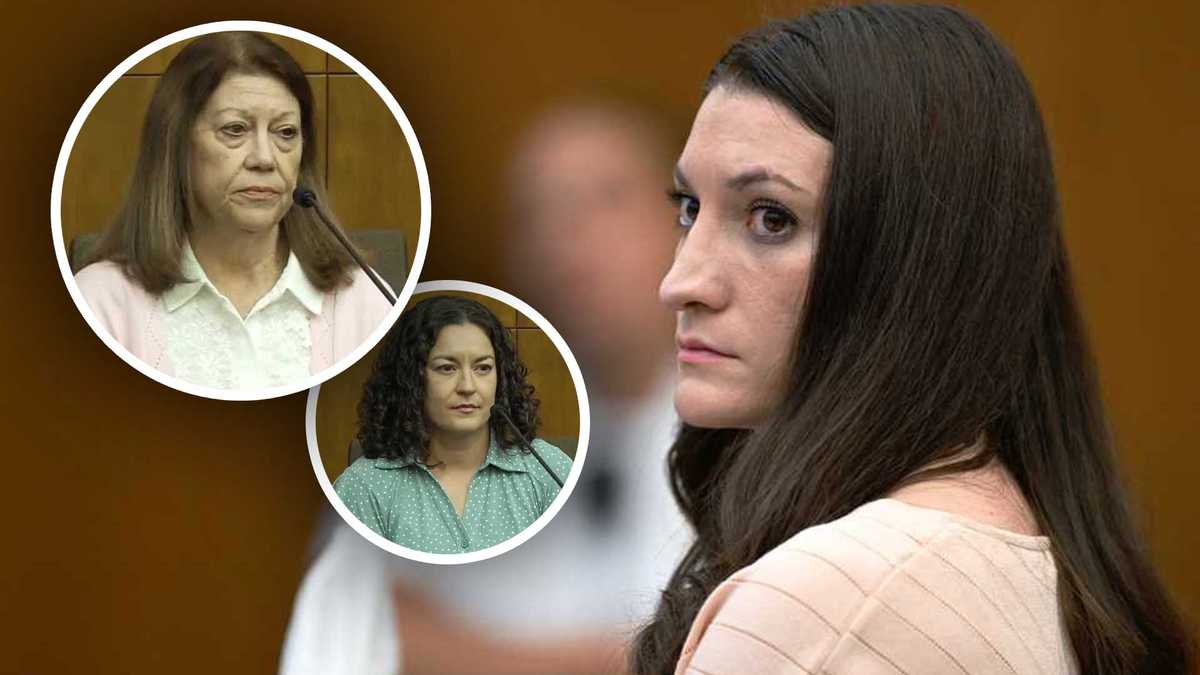
Testimony from psychiatrists, nurses, investigators and medical examiners.
Their argument has been consistent: Clancy was struggling with mental illness, but she understood what she was doing when she killed her three children.
Then, on Monday, August 17, the prosecution rested.

And almost immediately, the jury began hearing a very different version of Lindsay Clancy — not from doctors or investigators, but from the people who watched her deteriorate in the months before everything changed.
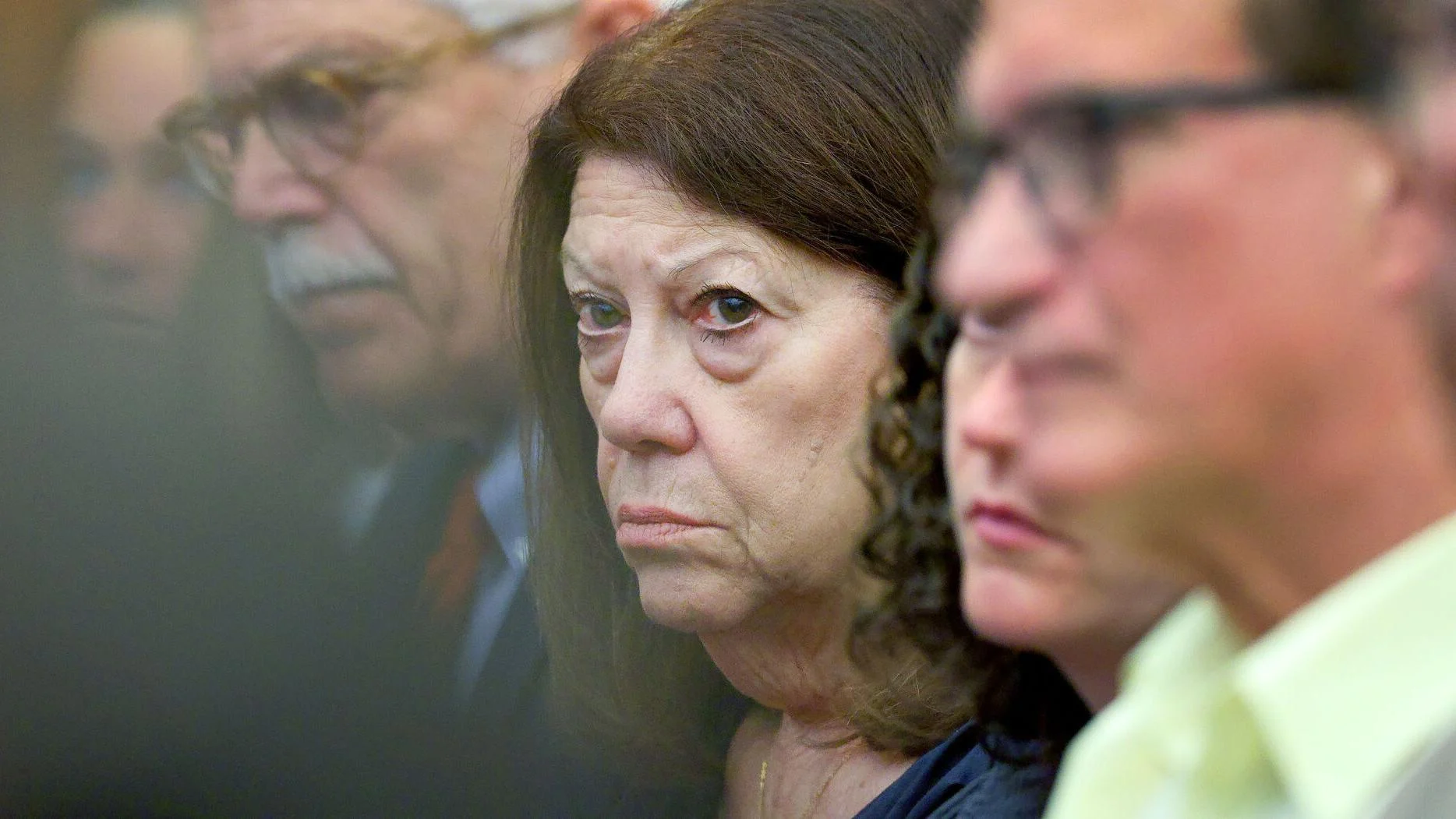
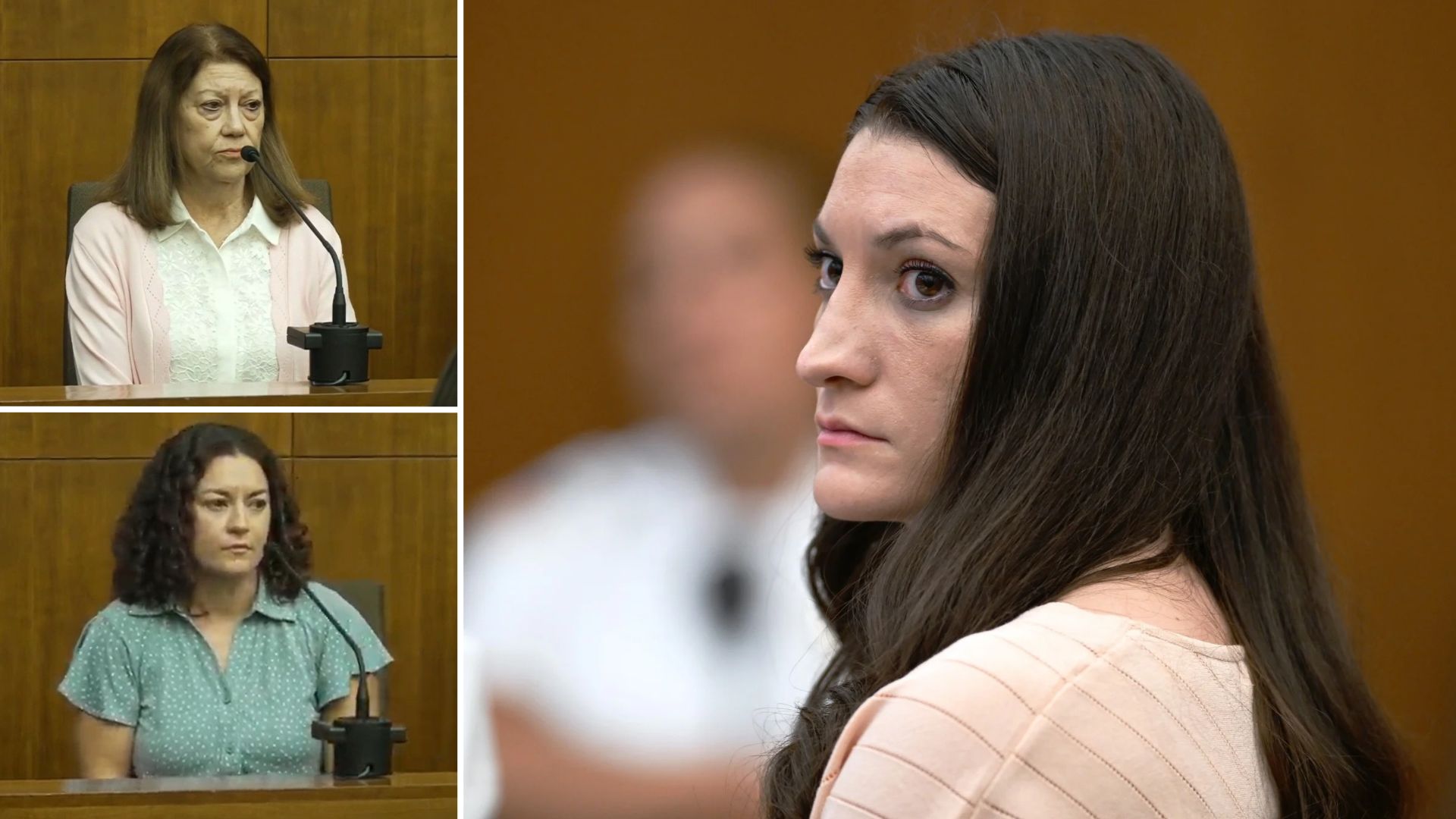
Among them was her mother, Paula Musgrove.
Her testimony revealed one of the most disturbing warning signs heard in court so far.

Weeks before the deaths of Cora, Dawson and Callan, Lindsay told her mother and then-husband Patrick that she had experienced thoughts of harming the children.
Her Mother Says Lindsay Began Changing in October
Musgrove described her daughter before the mental-health crisis as a devoted mother.
She told jurors Lindsay loved her children and was deeply involved in caring for them.
But around the second week of October 2022, Musgrove began noticing something different.
Lindsay’s demeanor changed.
Her anxiety intensified.
She struggled with sleep.
She became increasingly dependent on her family for reassurance and support.
At one point, Lindsay asked her mother to stay with her because she did not want to be alone.
Musgrove traveled from Connecticut to Massachusetts repeatedly as her daughter’s condition worsened.

Text messages presented to the jury showed how frequently mother and daughter were communicating during this period.
Then Came the Conversation Her Mother Has Not Forgotten
The most consequential part of Musgrove’s testimony concerned a conversation in late December 2022.
Lindsay was with Patrick and her mother when she disclosed something alarming.
According to Musgrove, Lindsay said she had experienced thoughts of harming the children.
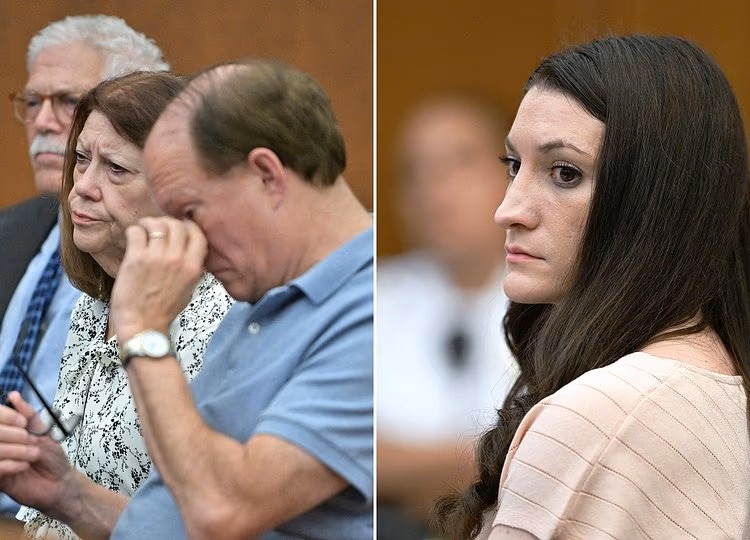
The disclosure frightened her family.
But the context surrounding those thoughts has become critically important to the trial.
The defense argues they were intrusive thoughts — unwanted and frightening thoughts occurring as Lindsay’s psychiatric condition deteriorated.
Her family did not interpret the disclosure as Lindsay announcing an intention to hurt the children.
Instead, her mother testified about a daughter who was frightened by what was happening inside her own mind and was seeking help.
That distinction could become enormously important when jurors eventually decide whether the disclosure was evidence of emerging psychosis or evidence that Lindsay had contemplated harming her children before January 24.
Lindsay Was Also Talking About Suicide
The testimony did not stop there.
Musgrove described Lindsay becoming increasingly hopeless and expressing suicidal thoughts.
Her sister, Allison Ozga, provided another window into how severe the deterioration appeared from inside the family.
Ozga testified that Lindsay had become numb, depressed and hopeless.
By late December, according to Ozga, Lindsay told her she had experienced suicidal ideation every day for approximately a month.
The sisters were communicating regularly, and Ozga said she watched Lindsay’s mental state change dramatically.
That testimony supports one of the central arguments the defense is now attempting to establish:
Whatever medical professionals observed during individual appointments, Lindsay’s family was seeing something far more disturbing between those visits.
Her Family Says She Became Paranoid
Musgrove and Ozga also described behavior they interpreted as paranoia.
Lindsay worried intensely about her medications and what they were doing to her mind.
Her family testified that she became increasingly fearful and unlike the person they had known.
This matters because several medical professionals called by prosecutors testified that they did not observe psychosis while treating Lindsay.
The defense now has to explain that apparent contradiction.
How could doctors repeatedly interact with Clancy without diagnosing psychosis while her family describes such a dramatic decline?
Her attorneys appear prepared to argue that brief appointments offered only snapshots of her condition, while family members witnessed what was happening throughout entire days and weeks.
Medication Is Becoming Central to the Defense
Lindsay’s psychiatric treatment has been scrutinized throughout the trial.
During the months before January 24, she was prescribed numerous psychiatric medications as providers attempted to address anxiety, depression and insomnia.
Her defense argues that the treatment was fragmented and that medications contributed to a worsening psychiatric condition.
Musgrove testified about her daughter’s growing concern that medication was affecting her mind.
That testimony fits into a much larger defense strategy.
Clancy’s attorneys are not simply arguing that she was depressed.
They contend she was suffering from severe postpartum mental illness, including psychosis, and therefore should not be held criminally responsible for the deaths of her children.
A Former Co-Worker Remembered Another Striking Conversation
The defense also called Margaret Hamp, who had worked with Lindsay.
Hamp described her as a compassionate nurse — the type of person colleagues trusted to care for patients.
But one conversation from years earlier has taken on an entirely different meaning after what happened.
Hamp recalled discussing Andrea Yates, the Texas mother who drowned her five children in 2001 while suffering from severe postpartum psychosis.
According to PEOPLE’s account of the testimony, Lindsay reacted emotionally to the case and questioned how a mother could harm her own children.
At the time, there was no reason for Hamp to view the conversation as significant.
Years later, it carries an entirely different weight.
But it does not establish Lindsay’s mental condition in January 2023. Like the other personal testimony now being introduced, jurors will have to decide what significance — if any — it deserves.
Prosecutors Have Already Built a Very Different Timeline
The defense testimony arrives after prosecutors spent weeks constructing their argument that the killings were deliberate.
They say Lindsay sent Patrick away from the house to pick up medication at CVS and food from ThreeV restaurant.
Digital evidence presented Monday showed her phone had been used to map a route from the family’s home to the restaurant.
Prosecutors contend that the errand created the window of time Lindsay needed to act while alone with the children.
The defense disputes that interpretation and argues prosecutors are imposing a plan onto actions that were otherwise ordinary.
That disagreement illustrates why Lindsay’s mental state has become so important.
Many basic events surrounding January 24 are not disputed.
What those events mean is.
Her Internet Searches Can Be Read Two Different Ways
Jurors have also heard evidence about Lindsay’s online activity before January 24.
Her searches included topics involving hallucinations, psychosis, medication side effects and ways to die.
Again, both sides can point to the same evidence and tell different stories.
Prosecutors can argue the searches demonstrate awareness and provide insight into what Lindsay was thinking.
The defense can argue that someone searching for information about psychosis and hallucinations may have been trying to understand frightening symptoms she was experiencing.
No individual Google search can answer the ultimate legal question.
Jurors must consider the searches alongside her medical records, behavior, family testimony and expert psychiatric evidence.
The Trial Is No Longer About Whether Lindsay Caused the Deaths
That distinction is essential to understanding the case.
Lindsay Clancy acknowledges causing the deaths of 5-year-old Cora, 3-year-old Dawson and 8-month-old Callan.
The defense is not asking jurors to decide whether somebody else was responsible.
Instead, it argues Lindsay was not criminally responsible because severe mental illness prevented her from appreciating the wrongfulness of her actions.
Prosecutors reject that explanation.
They argue she planned what happened, understood her actions and should be convicted of first-degree murder.
If convicted of first-degree murder, Clancy faces mandatory life imprisonment without parole.
If found not guilty by reason of insanity, she would not simply walk free; she could be committed to a psychiatric institution.
Her Mother’s Testimony Creates a Difficult Question for Both Sides
The late-December disclosure about harming the children could become one of the most complicated pieces of testimony in the trial.
For prosecutors, it could potentially demonstrate that thoughts of harming the children existed weeks before January 24.
For the defense, it demonstrates something very different:
Lindsay recognized that something was profoundly wrong, became frightened by her thoughts and told the people closest to her about them.
Her attorneys can argue that this was a warning sign of a psychiatric crisis that continued escalating despite treatment.
Jurors will ultimately decide which interpretation fits the complete evidence.
And that is why Musgrove’s testimony matters far beyond its emotional impact.
The Defense Is Only Beginning
Monday represented a major transition in the trial.
After approximately three weeks of testimony, prosecutors formally rested their case.
The defense immediately began calling witnesses.
That means jurors who spent weeks hearing the Commonwealth’s reconstruction of Lindsay’s actions will now hear the evidence her attorneys believe explains why those actions occurred.
Family testimony is only part of that effort.
Psychiatric and medical experts are expected to become especially important as the defense attempts to establish its argument about postpartum psychosis, medication and criminal responsibility.
The Warning Was There — What It Meant Is Now for the Jury
Paula Musgrove’s testimony gave jurors something medical records cannot completely provide.
A mother’s view of her daughter changing in real time.
She described the loving mother she remembered.
Then the anxiety.
The sleeplessness.
The fear of being alone.
The suicidal thoughts.
The worries about medication.
And finally, the disclosure no parent would ever expect to hear:
Her daughter was having thoughts about harming her own children.
Weeks later, Cora, Dawson and Callan were dead.
The prosecution and defense agree those events occurred.
They profoundly disagree about what connects them.
Prosecutors see evidence that Lindsay Clancy ultimately made deliberate choices.
Her defense sees a psychiatric deterioration that family members watched unfold but could not stop.
Now that the prosecution has rested, the trial has entered the stage where that second explanation will finally be presented in full.
And the jury must eventually answer the question that has defined this case from the beginning:
Was Lindsay Clancy criminally responsible for what she did — or was she experiencing a mental illness so severe that Massachusetts law says she was not?
Main Sources: New York Post, Associated Press, Reuters, CBS News Boston, PEOPLE