The Preston Davey case has entered a new and deeply significant chapter after forensic evidence helped overturn the original explanation surrounding the 13-month-old boy’s final moments, while a renewed safeguarding investigation now turns attention toward the wider system that was supposed to protect him.
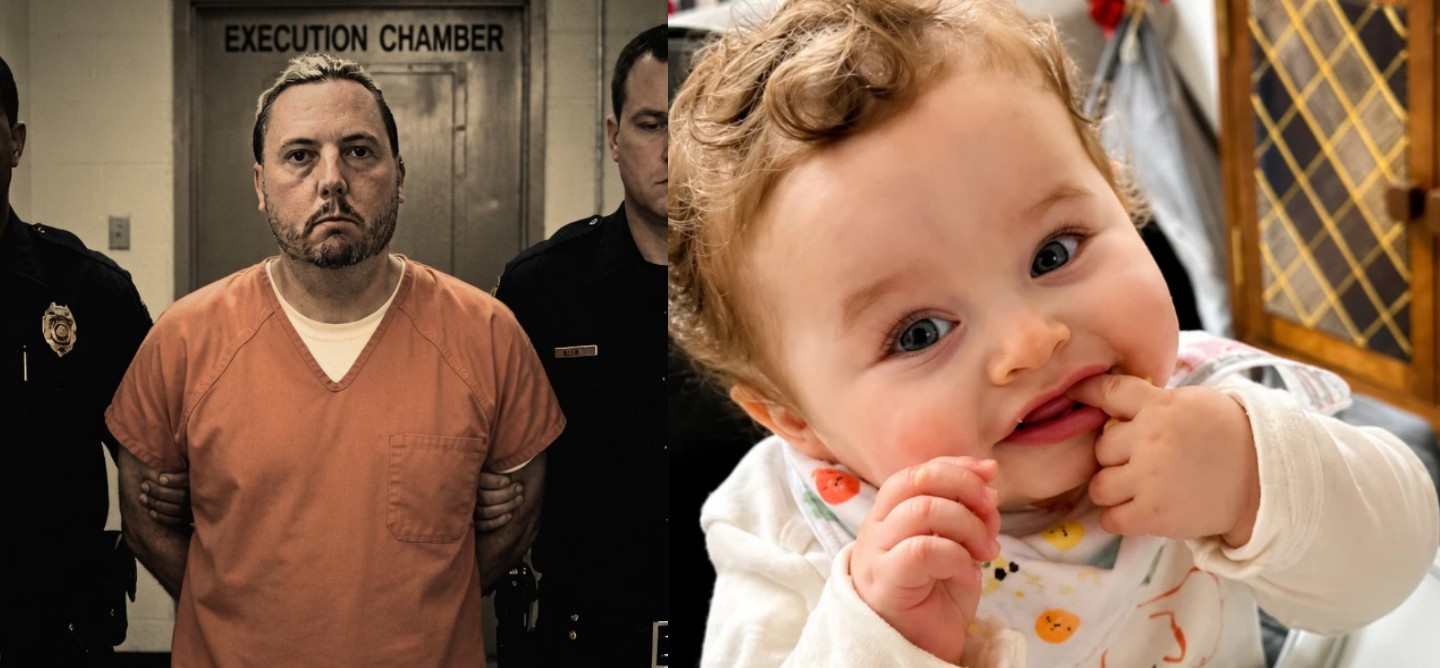
BREAKING: Preston Davey Case Takes a New Turn as Forensic Evidence Reshapes the Story
The Preston Davey case has entered a new and deeply significant chapter after forensic evidence helped overturn the original explanation surrounding the 13-month-old boy’s final moments, while a renewed safeguarding investigation now turns attention toward the wider system that was supposed to protect him.
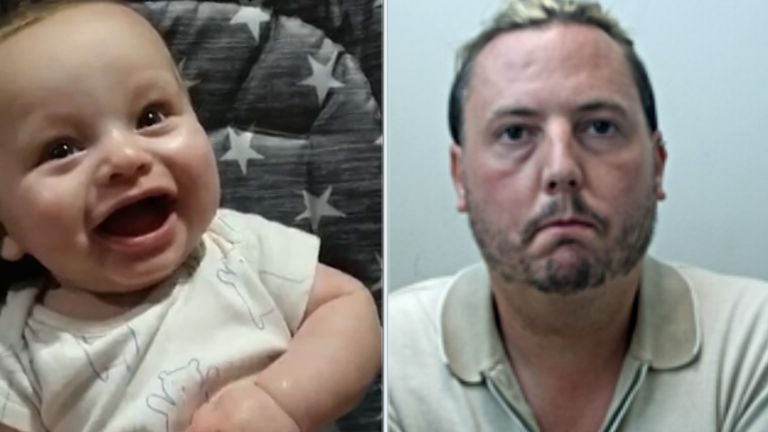
The case of Preston Davey has returned to national attention in Britain following the convictions of the two men who had been caring for him and a series of new developments surrounding the actions of public authorities. Preston, who was born in June 2022, was placed into emergency foster care when he was just five days old. For the first months of his life, health professionals described him as a healthy and happy baby. In March 2023, an adoption panel approved his placement with Jamie Varley and John McGowan-Fazakerley, and Preston began living with them in April. (Lancashire Police News)
What happened during the following four months became the centre of an eight-week trial at Preston Crown Court. The case revealed a disturbing pattern of injuries and warning signs that investigators and medical experts later examined in detail. According to Lancashire Police, a Home Office postmortem examination identified 40 traumatic injuries, including numerous external bruises as well as internal injuries. The examination also identified a healing fracture to Preston’s left upper arm that was considered non-accidental. (Lancashire Police News)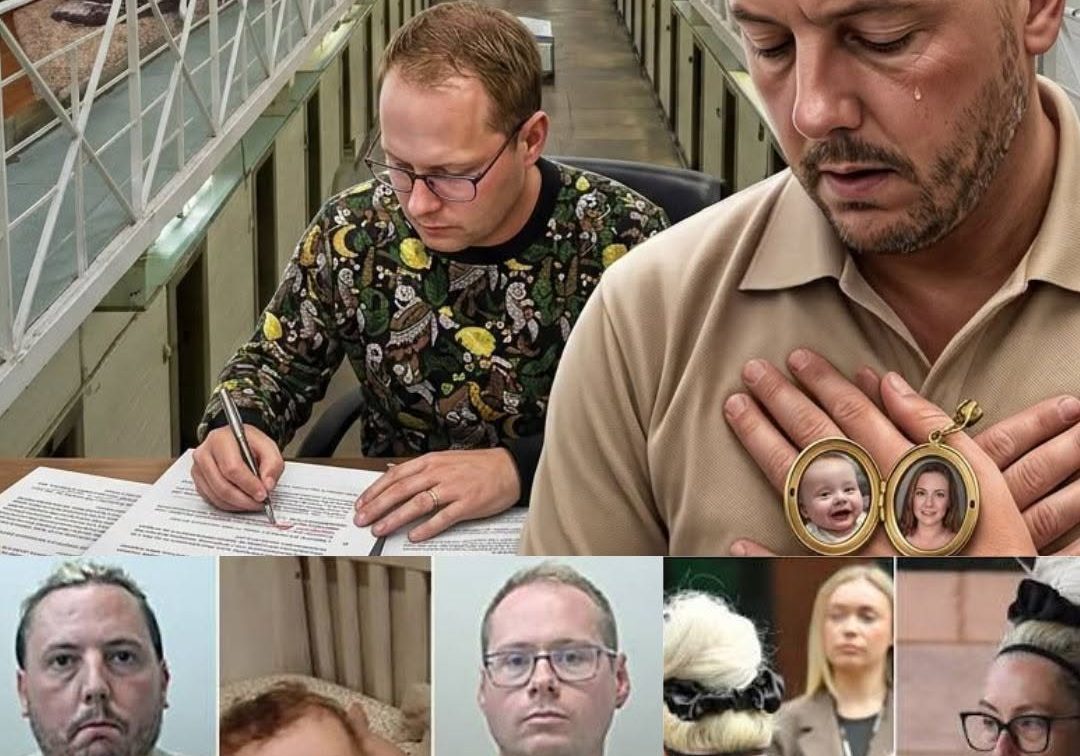
The forensic evidence changed the picture
One of the most important elements of the case was the forensic examination of Preston’s final injuries.
When Preston was taken to Blackpool Victoria Hospital on 27 July 2023, Varley claimed that the baby had been left in a bath and was later found submerged. That account became a crucial issue during the investigation. However, the medical evidence did not support an accidental drowning explanation.
Lancashire Police reported that Preston arrived at hospital completely dry, while the postmortem examination found no evidence supporting drowning. Instead, the cause of death was established as acute upper airways obstruction. The medical evidence became a central part of the prosecution case because it contradicted the explanation initially given for how Preston became unresponsive. (Lancashire Police News)
The Guardian reported that the pathologist found injuries affecting Preston’s head, face, mouth, upper limbs, chest, back and thigh, together with injuries involving his mouth and throat. The medical evidence indicated that the fatal airway obstruction was not consistent with an accidental bath incident. (The Guardian)
This forensic evidence was important because it transformed the investigation from an initial account of an accident into a case involving deliberate criminal conduct. Investigators subsequently obtained further medical evidence and re-arrested Varley on suspicion of murder after the postmortem findings became known. (Lancashire Police News)
Warning signs had appeared before Preston’s final hospital visit
The forensic findings were not the only evidence that changed the understanding of Preston’s story.
During the trial, the court heard that Preston had been seen by numerous professionals during the short period he lived with the defendants. There were also multiple hospital visits.
Lancashire Police said that on 11 May 2023, an emergency call was made and later a non-emergency medical call reported that Preston was experiencing breathing difficulties and could not properly hold his head. An out-of-hours appointment was arranged, but medical attention was not ultimately obtained. (Lancashire Police News)
On 25 May, Preston was taken to Blackpool Victoria Hospital after Varley reported breathing difficulties and what he described as a seizure. Safeguarding staff contacted police, and officers from the Child Protection Team attended. However, medical staff at the time did not identify concerns about a possible non-accidental injury. Later evidence from images recovered from the defendants’ phones showed bruising around the same period. (Lancashire Police News)
ITV News reported that Preston was taken to hospital three times during the weeks before his death and was seen by a “battery of professionals,” including medical staff, social workers and welfare officers. The fact that so many professionals came into contact with the child has become one of the most important questions surrounding the case. (ITVX)
The court verdicts
After the lengthy trial, Jamie Varley was found guilty of murdering Preston and of multiple other offences relating to the child. On 18 June 2026, he received a whole-life order, meaning he will remain in prison for the rest of his life.
John McGowan-Fazakerley was convicted of causing or allowing a child’s death, child cruelty offences and a sexual offence. He was sentenced to 25 years in prison, with the court determining how much of that sentence must be served. (Lancashire Police News)
The convictions brought the criminal proceedings to an end, but they did not end the questions surrounding Preston’s care.
Instead, they opened a second chapter: what happened within the child-protection system before his final day?
A safeguarding review is now back in focus
Following the conclusion of the criminal trial, the independent safeguarding review into Preston’s death has resumed.
The Oldham Safeguarding Children Partnership is conducting the review, which was paused during the criminal proceedings. According to reporting from July 2026, the review is not expected to be completed until around January 2027. (ITVX)
The review is expected to examine how decisions were made, how information was shared between agencies and whether warning signs were appropriately assessed.
The UK Government has also acknowledged Preston’s case in its wider response concerning vulnerable babies. A July 2026 government statement said that Preston’s death was a reminder that authorities cannot become complacent when protecting babies and emphasized earlier identification of risk, information sharing, professional curiosity and sustained multi-agency engagement. (Nghị viện Vương quốc Anh)
The coroner has indicated that further scrutiny may follow
Another major development came in July 2026.
Senior Coroner Alan Wilson said it was “highly likely” that an inquest into Preston’s death would resume. He said there was sufficient reason to examine acts and omissions by public authorities and suggested that the eventual proceedings could be wide-ranging. A further hearing was scheduled, while the safeguarding review continues. (ITVX)
Importantly, an inquest would not simply repeat the criminal trial. Its purpose would be to examine Preston’s death and the circumstances surrounding it, including the role of public bodies and whether opportunities to protect him were missed.
The potential inquest is currently not expected before the safeguarding review has progressed, with reporting indicating that it could take place as late as autumn 2027. (ITVX)
Public pressure is also growing
The case has generated significant public concern. In June 2026, a petition calling for a national inquiry into Preston’s death passed 100,000 signatures. The campaign argues that the public deserves answers about the safeguarding decisions surrounding the child. (ITVX)
By August, the campaign had continued to attract attention, with the petition listing more than 120,000 supporters. (Change.org)
The demand for a broader inquiry reflects a difficult question: how could a child who was seen by medical professionals, social workers and other agencies, and who reportedly had several hospital contacts, remain vulnerable for so long?
That question cannot be answered simply by looking at the final day.
Why the forensic evidence remains so important
The Preston Davey case demonstrates how forensic science can fundamentally change the understanding of a death.
The initial explanation suggested an accident involving a bath. The subsequent postmortem examination instead identified a pattern of traumatic injuries and established acute upper airway obstruction as the cause of death. That evidence became a foundation for the criminal investigation and prosecution. (Lancashire Police News)
But forensic evidence also raised a wider issue: injuries that are later clearly documented may have existed at earlier points when professionals had already encountered the child.
That is why the next stage of the Preston Davey story is no longer only about the criminal responsibility of the convicted men. It is increasingly about whether the systems around Preston recognized, connected and acted upon the warning signs quickly enough.
For Preston’s family, foster carers and supporters, the forthcoming safeguarding review and potential inquest could therefore become as important as the criminal trial in answering what happened.
The criminal court has established responsibility for Preston’s death. The next investigations may determine what society can learn from the warning signs that came before it.
As Britain continues to follow the case, the central question is no longer simply what happened to Preston Davey — but whether the lessons from his story can prevent another vulnerable child from being overlooked.