Rare Conjoined Birth in India: Baby Born With Two Heads and Two Hearts
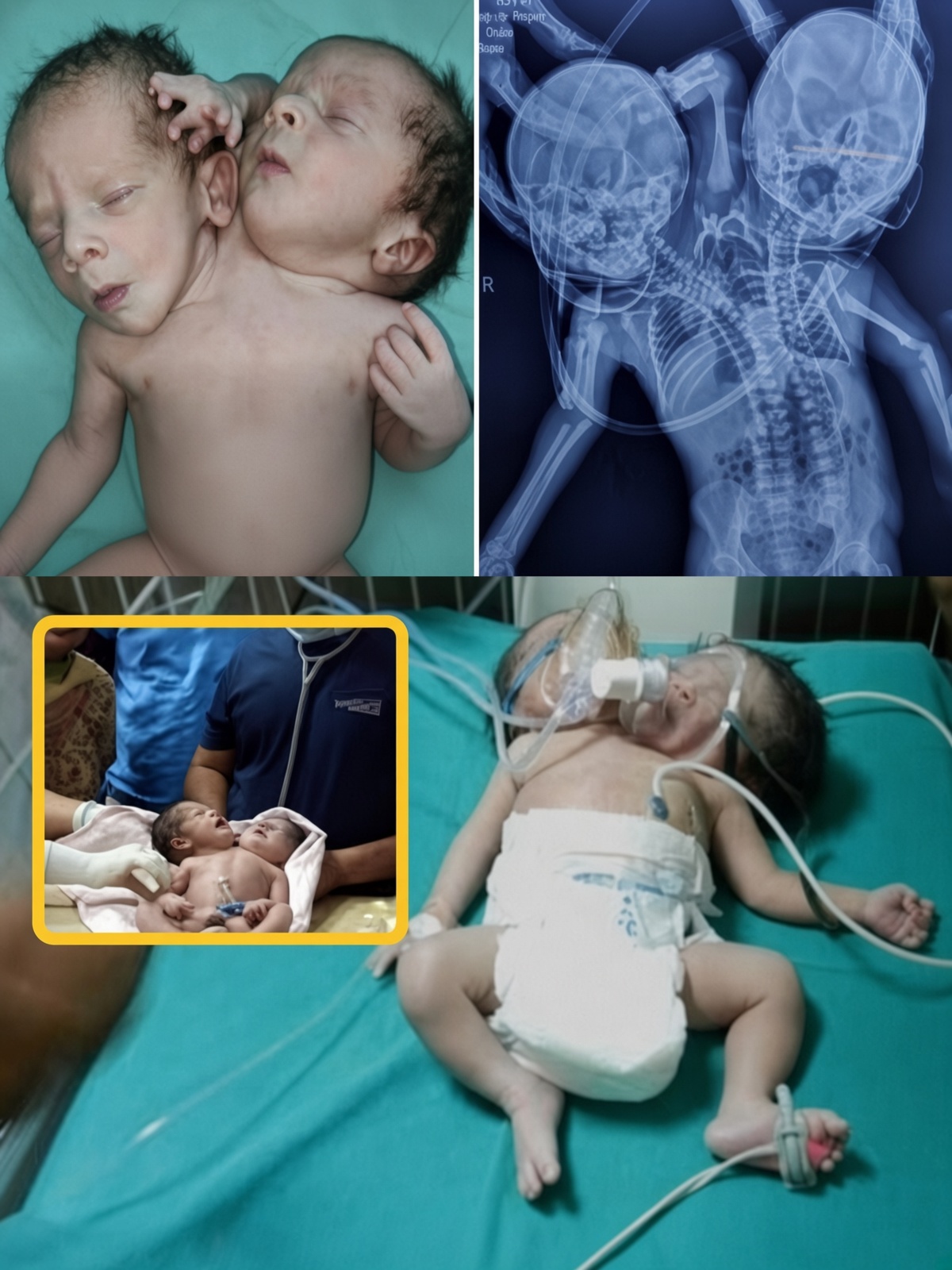
In July 2025, doctors in Indore, Madhya Pradesh, delivered a baby girl with an extremely rare congenital condition known as dicephalic parapagus (also called parapagus dicephalus). The newborn had two heads sharing a single torso, two hearts, and a single set of most other organs.
The 22-year-old mother, from Palasi village in Dewas district, was rushed to Maharaja Tukojirao Hospital (MTH) in critical labor. She underwent an emergency cesarean section on July 22. Although she had attended antenatal checkups, the complex anomaly was not clearly identified on earlier ultrasounds. Parents had believed they were expecting twins.
According to pediatrician Dr. Preeti Malpani, the baby had one body but two heads. Most organs—including the lungs and limbs—were singular, yet there were two hearts. One heart was severely underdeveloped, and the other carried major defects, placing extreme strain on the circulatory system as it attempted to supply both brains. Survival chances in such cases are estimated at less than 0.1 percent.
The infant was placed in the Special Newborn Care Unit (SNCU) under continuous monitoring. Surgical separation was not considered viable due to the extensive sharing of vital structures. After about two weeks, the parents took the baby home against medical advice. She passed away at the family’s residence a short time later.
Dicephalic parapagus is a rare form of incomplete twinning that occurs when a single fertilized egg begins to divide but does not fully separate early in development. The condition is estimated to occur in roughly one in 50,000 to 200,000 births and is almost always associated with a very poor prognosis.
The case underscored ongoing challenges in rural antenatal care and the profound medical and emotional difficulties faced by families when such rare anomalies occur. Doctors emphasized that the condition is considered a spontaneous developmental event rather than a hereditary disorder linked to the mother’s health.
Sources
- Bhaskar English and related Madhya Pradesh reports on the Indore birth (July 2025)
- Times of India: Coverage of the baby’s death after approximately 16 days (August 2025)
- Statements from Dr. Preeti Malpani and hospital officials at Maharaja Tukojirao Hospital, Indore