THE INVESTIGATION AFTER THE VERDICT: WHAT PRESTON DAVEY’S DEATH COULD CHANGE
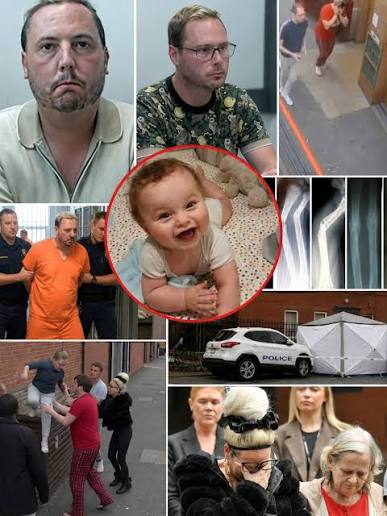
The most important chapter of the Preston Davey case may now be the one that takes place outside the criminal courtroom. After an eight-week trial, Jamie Varley was convicted of murdering the 13-month-old child he was in the process of adopting and was sentenced to spend the rest of his life in prison. His partner, John McGowan-Fazakerley, was also convicted and sentenced to 25 years. The verdicts brought a measure of legal accountability, but they also exposed a much broader problem: the possibility that Preston’s death was preceded by a series of missed opportunities across the child-protection system.
Now the question is no longer simply what happened inside the home.
The question is what happened outside it.
Preston’s story had already involved social services, foster care, adoption professionals and healthcare providers before he was killed. He had entered emergency foster care just five days after birth and spent approximately nine months with foster carers Sandra and Paul Cooper. The family reportedly remembered him as a happy baby, making the events that followed his move into adoptive care particularly devastating.
Varley and McGowan-Fazakerley were approved to adopt Preston in early 2023, and the child was placed with them. Within approximately four months, Preston was dead.
The speed of that transformation is one reason the case has become such an important safeguarding issue.
The prosecution established that Preston suffered extensive abuse. More than 40 injuries were identified, and evidence presented during the trial indicated sexual and physical abuse. Investigators also found recordings that prosecutors said demonstrated the cruelty taking place in the home.
But criminal investigators entered the case after Preston had already been seriously harmed.
The safeguarding review must travel in the opposite direction. It must work backwards through the months before his death and ask what professionals could reasonably have known at each stage.
That is a fundamentally different investigation.
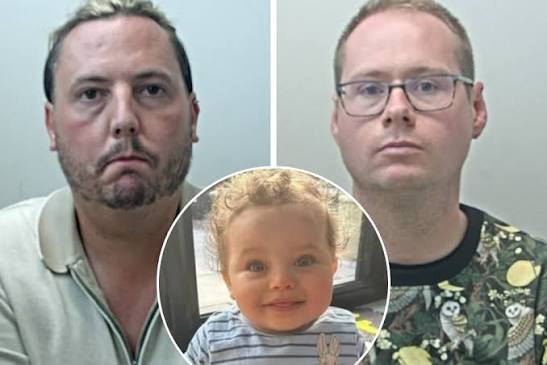
The central issue is not simply whether someone saw a bruise. It is whether that bruise, combined with other information, should have triggered a more serious response. It is not simply whether Preston attended hospital. It is whether the pattern of hospital visits and injuries should have changed the way professionals viewed the placement. And it is not simply whether social workers visited the family. It is whether their observations were sufficiently connected to information held by healthcare professionals and other agencies.
These questions are at the heart of the independent Child Safeguarding Practice Review confirmed after Preston’s death. The national Child Safeguarding Practice Review Panel is working with the local process to establish what went wrong and what lessons should be learned.
The review could ultimately have implications far beyond Preston’s individual case.
Child protection depends heavily on professional curiosity — the willingness to ask another question when an explanation does not completely make sense. It also depends on communication. One agency may hold a small piece of information, while another holds another piece. Only by combining those pieces can a potentially dangerous pattern become visible.
Preston’s case has raised precisely that concern.
It has also reignited debate about adoption assessments and post-placement monitoring. The fact that Varley was a teacher and had safeguarding responsibilities in his professional environment adds another troubling dimension because it demonstrates how an individual’s professional identity can create an appearance of trustworthiness that may not reflect what happens privately. Reports from the trial described prosecutors portraying Varley as manipulative and deceptive.
That does not mean professional status should automatically make someone more suspicious. Rather, it highlights a fundamental challenge for safeguarding professionals: suitability must be assessed through evidence about the child’s welfare, not through assumptions about the adults involved.
The potential inquest adds another important dimension. At a July 2026 hearing, the senior coroner indicated that an inquest into Preston’s death was highly likely. The coroner process could allow further examination of the circumstances surrounding the death and the role played by public authorities.
There are also growing calls for a public inquiry, reflecting the belief among some campaigners and politicians that the circumstances demand a wider examination of institutional responsibility.
Yet any investigation must proceed carefully.

It would be easy, after hearing the evidence from the criminal trial, to look backward and conclude that every earlier event should have been obvious. But safeguarding reviews exist partly to prevent that kind of hindsight from replacing evidence. Investigators need to establish exactly what professionals knew at the time, what information they had access to, what decisions they made and whether those decisions were consistent with the standards expected of them.
The ultimate test is whether lessons can be turned into action.
If the review identifies failures in communication, procedures may need to change. If it identifies weaknesses in adoption monitoring, those processes may need strengthening. If it identifies problems with recognizing repeated injuries, professional training may need to change. And if it finds that several individually reasonable decisions collectively created a dangerous blind spot, agencies may need to reconsider how they assess cumulative risk.
That is why Preston’s story is not finished.
The men responsible for his abuse and death have been sentenced, and the criminal courts have delivered their verdicts. But the larger question — how a child surrounded by systems intended to protect him could remain at risk until it was too late — is still being investigated.
Preston cannot benefit from whatever reforms eventually follow.
But if the reviews uncover exactly where the system failed, his death could force authorities to recognize warning signs earlier, share information more effectively and challenge reassuring explanations when a child’s welfare is at stake.
That is the answer many people are still waiting for.
Not simply who killed Preston Davey, because the courts have answered that.
But why the system did not save him before the killers had the opportunity to do so.