BREAKING: Five Divers Die In Maldives Cave As Questions Focus On Oxygen Toxicity And Panic
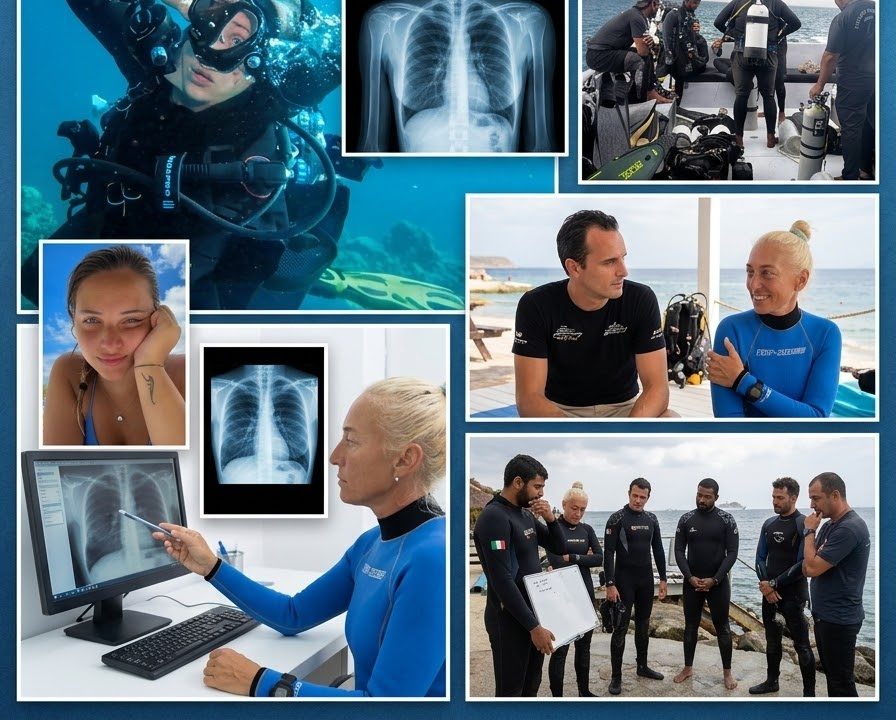
A deep-water diving expedition in the Maldives has ended in tragedy after five Italian divers lost their lives inside an underwater cave near Alimatha Island, raising urgent questions about what happened during the dangerous descent.
The group disappeared on May 14 while diving near Vaavu Atoll, around 100 kilometers south of the Maldivian capital, Malé. The divers had reportedly descended to roughly 50 meters, or about 164 feet, far beyond the depth normally associated with recreational scuba diving.
Among those who died were Monica Montefalcone, an ecology professor at the University of Genoa, her 20-year-old daughter Giorgia Sommacal, researcher Muriel Oddenino, marine biology graduate Federico Gualtieri, and diving instructor Gianluca Benedetti. Four of the victims were connected to the University of Genoa.
The divers had departed aboard the yacht Duke of York before entering the water near a site known for its underwater caves. When they failed to return, a major search operation was launched involving Maldivian police and military personnel.
One of the most difficult questions now facing investigators is why the group entered such a deep and confined underwater environment. Authorities are examining the circumstances of the dive, including the equipment used, the gas mixture in the tanks, the divers’ computers, and whether the group had the appropriate authorization and preparation for the descent.
Experts interviewed after the incident proposed several possible explanations. Pulmonologist Claudio Micheletto suggested that a problem involving the tanks could potentially have exposed the divers to dangerous levels of oxygen. At elevated pressure and depth, breathing a gas mixture with too much oxygen can lead to oxygen toxicity, a serious diving hazard.
Another possibility discussed by diving specialists was panic or disorientation. Inside an underwater cave, darkness, restricted visibility, depth, currents, and limited access to the surface can make an already difficult situation much harder to manage. A sudden problem affecting one diver could potentially trigger a chain of dangerous decisions.
However, oxygen toxicity remains a theory rather than an established cause. Other experienced divers have questioned whether hyperoxia would explain the incident if ordinary compressed air rather than a high-oxygen mixture was being used. Experts have stressed that the recovered equipment, dive computers, and medical examinations could provide important answers.
The depth itself has become another major focus. Reuters reported that Maldivian recreational diving rules generally limit dives to 30 meters, while the group appears to have reached approximately 50 meters inside the cave. Authorities are investigating whether the dive went beyond permitted recreational limits and whether the vessel involved had the appropriate authorization.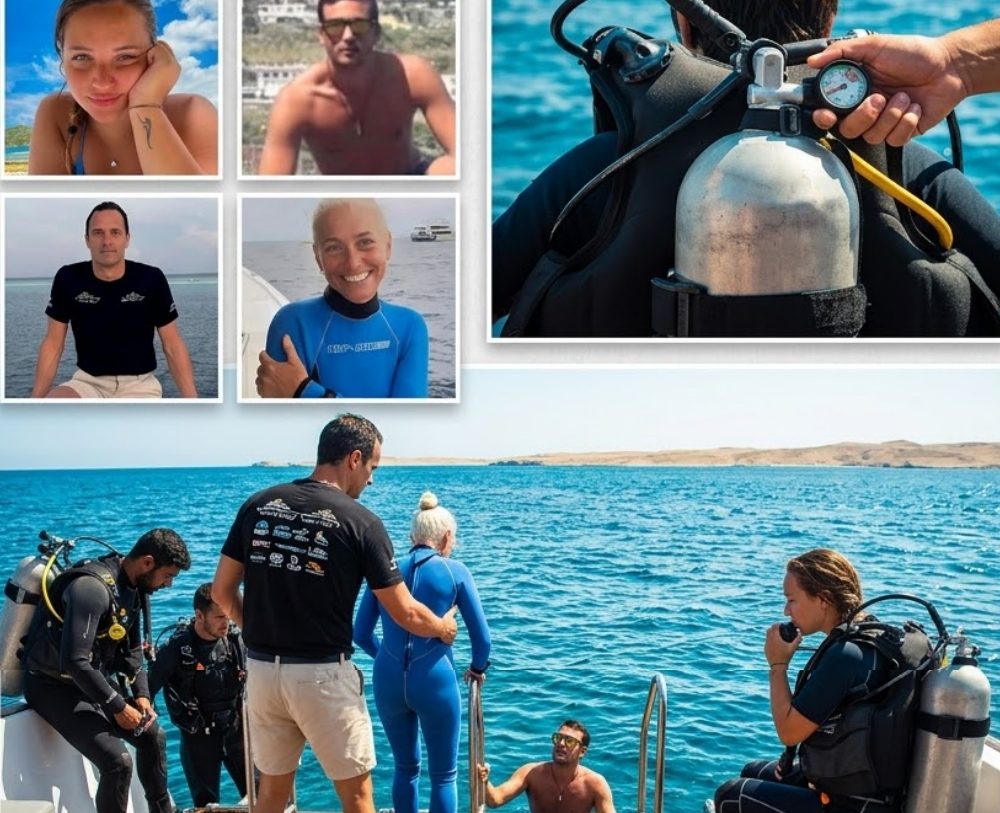
The recovery operation was also extremely challenging. Maldivian search teams faced difficult underwater conditions, and Sergeant First Class Mohamed Mahudhy of the Maldives National Defence Force died during an earlier search attempt. Specialized European divers were later brought in to assist with recovery operations in the deep cave system.
The tragedy has since prompted renewed calls for stronger safety standards across the Maldives’ diving industry. The Maldives Association of Tourism Industry urged dive operators to maintain the highest safety standards following the incident, while authorities continued examining the circumstances surrounding the deaths.
For the families of the five Italian divers, the investigation may provide the answers needed to understand how an experienced group entered a situation from which none of them returned. For investigators, the critical questions remain: What gas was inside the tanks? How deep did the divers actually travel? What happened inside the cave? And did equipment, human decisions, environmental conditions, or a combination of factors contribute to the tragedy?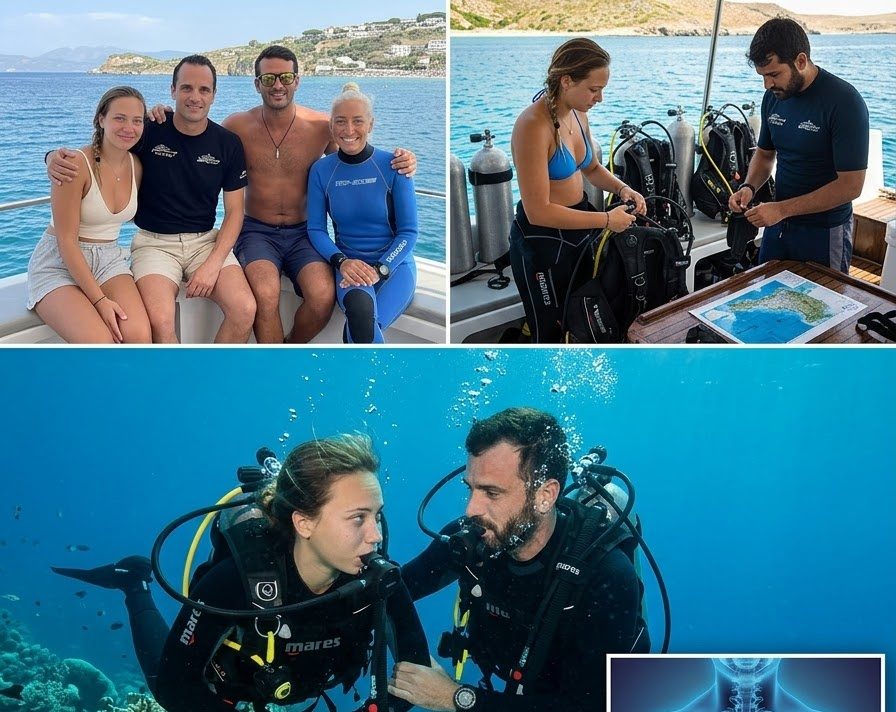
Until those questions are answered through the investigation, oxygen toxicity and panic should be treated as possible explanations—not confirmed conclusions. What is clear is that a high-risk dive in one of the Maldives’ most challenging underwater environments resulted in one of the country’s most serious diving tragedies.
Source: New York Post, Reuters, ANSA, Associated Press/ABC News, Maldives Police Service, Maldives Association of Tourism Industry.
Related links: