Lindsay Clancy Trial Nears Its Final Stage as Defense Makes Its Case for Postpartum Psychosis

PLYMOUTH, MASSACHUSETTS — The murder trial of Lindsay Clancy is entering its final stage after the defense rested its case Friday, putting the spotlight back on the prosecution as jurors prepare to hear the final arguments over whether the Massachusetts mother should be held criminally responsible for the deaths of her three young children.
Clancy, 36, has pleaded not guilty to charges stemming from the January 2023 deaths of her children — 5-year-old Cora, 3-year-old Dawson and 8-month-old Callan.
There is little dispute over the central physical allegation: Clancy’s defense has acknowledged that she strangled the children. The battle in court has instead focused on why she did it and whether her mental state made her legally responsible for her actions.
Defense Centers Its Case on Postpartum Psychosis
Clancy’s attorneys have argued that she was suffering from severe postpartum psychosis and other serious psychiatric problems when the killings occurred.
Their central argument is that Clancy was experiencing delusions and was unable to fully understand the wrongfulness of what she was doing.
The defense presented psychiatric experts who described a woman whose mental condition had deteriorated significantly in the months before the deaths.
Among the most important witnesses was forensic psychiatrist Dr. Phillip Resnick, an expert in cases involving parents who kill their children.
Resnick testified that Clancy was psychotic and delusional and believed she was protecting her children by ending their lives.
His testimony was particularly significant because of his experience in another high-profile case involving a mother who killed her children.
Her Family Described a Rapid Mental Decline
Earlier in the trial, members of Clancy’s family testified about changes they observed in her behavior before the killings.
Her mother and sister described a woman who had increasingly struggled with her mental health and repeatedly sought help.
Her former mother-in-law, Susan Clancy, also testified that Lindsay had been “begging for help” as her condition deteriorated.
The defense has used that testimony to argue that the tragedy was preceded by a serious psychiatric crisis rather than a calculated decision to murder her children.
Prosecutors Tell a Very Different Story
The prosecution has rejected the defense’s explanation.
Prosecutors argue that Clancy deliberately killed her children and then attempted to make the deaths appear different from what actually happened.
Their case has focused on evidence that they say demonstrates planning, awareness and control.
They have also challenged the suggestion that Clancy was suffering from postpartum psychosis or bipolar disorder at the time of the killings.
The prosecution’s psychiatric expert, Dr. Avram Mack, testified that Clancy suffered from major depression but disputed the existence of psychosis or mania.
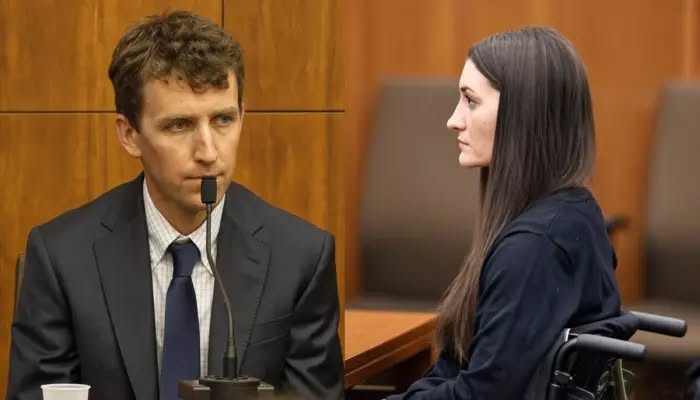
According to Mack’s testimony, Clancy understood the difference between right and wrong and retained the ability to control her actions.
That disagreement between psychiatric experts could ultimately become one of the most important issues for the jury.
Defense Attacked the Treatment She Received
Another major theme of the defense case has been the psychiatric treatment Clancy received before the killings.
Her attorney, Kevin Reddington, questioned psychiatrist Dr. Jennifer Tufts about the way Clancy’s condition was monitored and treated.
Reddington highlighted short telehealth appointments, computerized clinical records and the large number of medications prescribed to Clancy as she reported worsening symptoms and side effects.

The defense portrayed the treatment as inadequate for someone whose mental condition was deteriorating.
The prosecution, however, has argued that Clancy received substantial medical attention and that the evidence does not establish that she was psychotic when she killed her children.
Search History Became Part of the Evidence
Jurors have also heard about Clancy’s online searches before the killings.
Investigators found searches involving hallucinations, psychosis, medication side effects and suicide-related subjects.
The defense has pointed to those searches as evidence of the seriousness of her psychiatric problems.
Prosecutors have interpreted some of the same evidence differently, arguing that Clancy was aware of what was happening to her and was actively researching her condition rather than being completely detached from reality.
A Chaplain Described Clancy’s State of Mind
One of the more emotional portions of the defense case involved testimony from a hospital chaplain.
The chaplain described conversations with Clancy in which she expressed concern about her children and discussed disturbing thoughts and experiences.
The testimony was presented as evidence that Clancy’s mental state had become severely compromised.
The prosecution has challenged the interpretation of such statements, arguing that Clancy’s behavior and statements after the killings are also important when assessing whether she understood what she had done.
Defense Rests After Key Expert Testimony
After calling its final witnesses, the defense rested Friday.
The prosecution then began presenting rebuttal witnesses, a standard step in an insanity-defense case.
Dr. Avram Mack returned to the stand for the prosecution and disputed key portions of the defense experts’ conclusions.
The two sides have therefore left the jury with sharply conflicting interpretations of the same woman:
The defense says Clancy was a severely psychotic mother who believed she was protecting her children.
The prosecution says she was depressed and distressed but still understood what she was doing and could control her behavior.
The Trial Is Now Approaching Its End
As of August 23, 2026, the defense has rested and prosecutors have begun their rebuttal case.
Closing arguments are expected next, followed by jury deliberations.
The outcome will depend heavily on how jurors interpret the competing psychiatric testimony and whether they believe Clancy met Massachusetts’ legal standard for being not criminally responsible because of mental illness.
The case has also generated significant public attention beyond the courtroom.
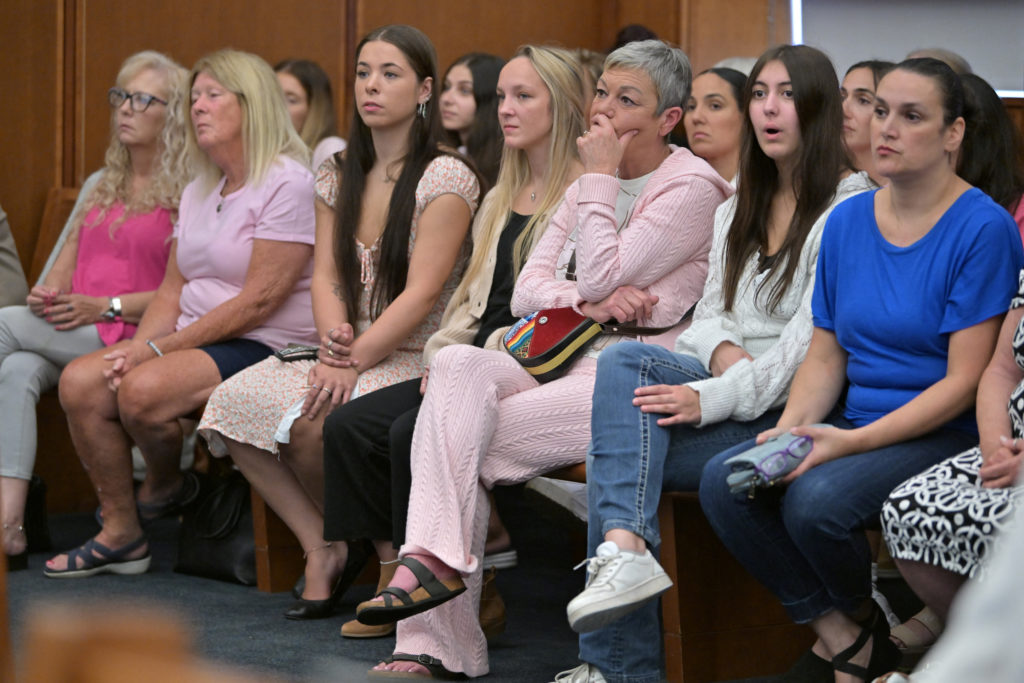
Hundreds of supporters gathered outside the courthouse during the trial, many wearing pink and carrying messages expressing support for Clancy and calling attention to maternal mental-health care.
But inside the courtroom, the question is narrower and much more consequential:
Was Lindsay Clancy legally responsible for killing her three children, or was she so severely affected by mental illness that she could not understand the wrongfulness of her actions?
That decision now rests with the jury.
Clancy remains presumed innocent unless and until the jury reaches a verdict.
Latest Status — August 23, 2026
The defense has rested its case.
The defense argues postpartum psychosis and severe mental illness made Clancy not criminally responsible.
Prosecutors argue she intentionally killed her children and understood that her actions were wrong.
The prosecution has begun its rebuttal case.
Closing arguments and jury deliberations are expected next.
Sources
Associated Press: Coverage of the defense resting its case and the competing psychiatric arguments.